Long evenings and warm weather make summer garden parties feel more relaxed than indoor gatherings. You can spread people across the garden, keep conversation flowing naturally and avoid the stiff atmosphere that sometimes creeps into formal hosting. Games help with that balance. They give guests something to do without turning the day into a full competition. A simple activity can help neighbours chat for the first time, encourage different groups to mix and stop quieter guests from feeling left out. The best garden party games work alongside food, drinks and conversation rather than interrupting them, which means you can keep the mood easy-going while still giving everyone memorable moments throughout the day.
Classic lawn games that set the tone
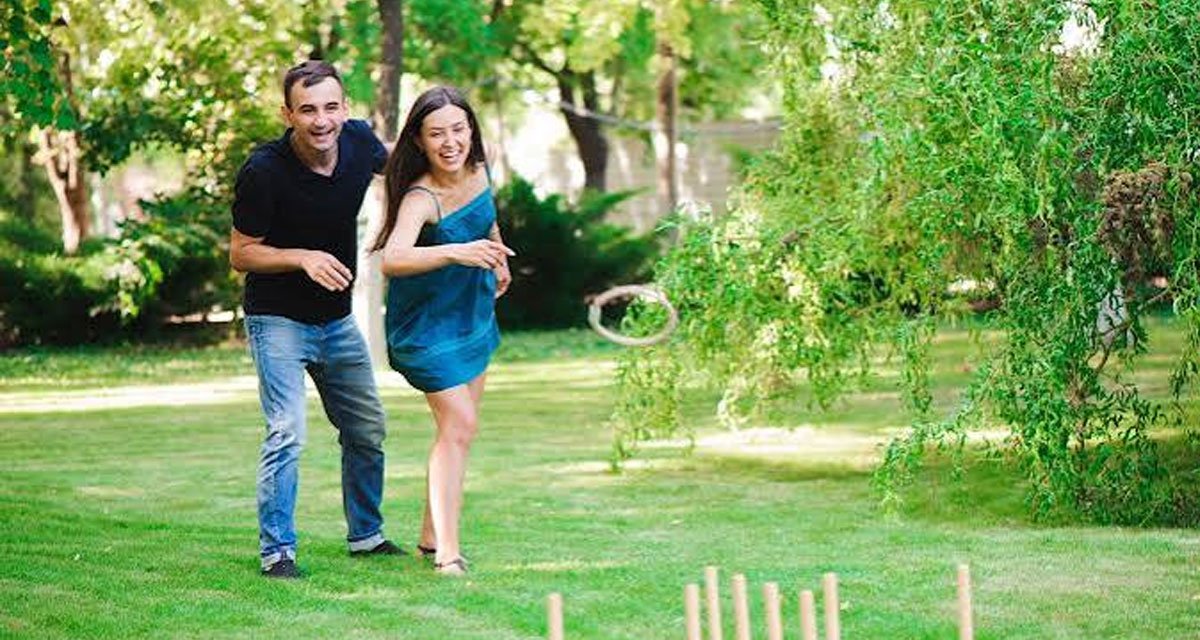
Traditional lawn games still work because they suit almost every type of guest. Croquet, boules and giant Jenga encourage people to gather casually without demanding constant attention. Guests can join for ten minutes, wander off for a drink and come back later without feeling they have missed anything important. Croquet works particularly well if you want guests to move around the garden instead of staying clustered near the food table. You can space the hoops across different areas so people naturally circulate while chatting. Boules suits smaller gardens because you only need a clear patch of lawn or gravel, and the slower pace gives guests time to talk between turns.
Giant Jenga often becomes a natural focal point because people nearby start reacting to every wobbling block. That shared attention creates conversation between guests who may not know each other well. Place the game close enough for spectators to watch comfortably but far enough from the drinks tables to avoid accidental collisions.
Social games for bigger groups
Larger parties benefit from games that keep plenty of people involved at once. Team-based activities help guests settle in quickly because they remove the pressure of one-to-one conversation. A garden quiz or outdoor scavenger hunt can keep energy levels high without making the event feel overly organised. You can hide simple items around flowerbeds, patios and seating areas, then split guests into mixed teams. People naturally start working together, and even guests who arrived knowing very few people usually end up chatting comfortably by the end. Music-based guessing games also work well outdoors because guests can participate from picnic blankets or deckchairs while eating and drinking.
Casual games for smaller moments
Not every activity needs a full group gathered around it. Smaller games help fill quieter moments when guests wait for food or settle into conversation. Card games on outdoor tables often work well because people can join and leave easily without disrupting play. Word games and simple challenges also suit relaxed afternoons. During a slower part of the day, you might leave cards for trivia questions, a deck of conversation prompts or even a quick round of bingo beside the drinks station so guests can entertain themselves while others prepare food nearby. These smaller activities help avoid awkward lulls without forcing people into constant interaction. Guests who prefer quieter conversations usually appreciate having something light to focus on while socialising.
Mixing activities across the day
The strongest garden parties build variety gradually instead of cramming every game into one afternoon. Guests usually arrive ready to chat first, so quieter lawn games suit the opening hour better than loud competitions. As the atmosphere becomes more relaxed, you can introduce larger group activities that encourage more energy and movement. You should also think practically about timing and space. Keep active games away from serving areas, and leave enough seating nearby for guests who prefer watching to participating. A mixture of structured games and casual activities gives people freedom to enjoy the party in their own way, which often creates the most comfortable atmosphere for everyone involved.