Choosing a gold engagement ring sounds simple—until you actually start looking. Suddenly, there are different colors of gold, different purities, styles, finishes, and price points. And somewhere in all of that, you’re expected to make the “perfect” decision.
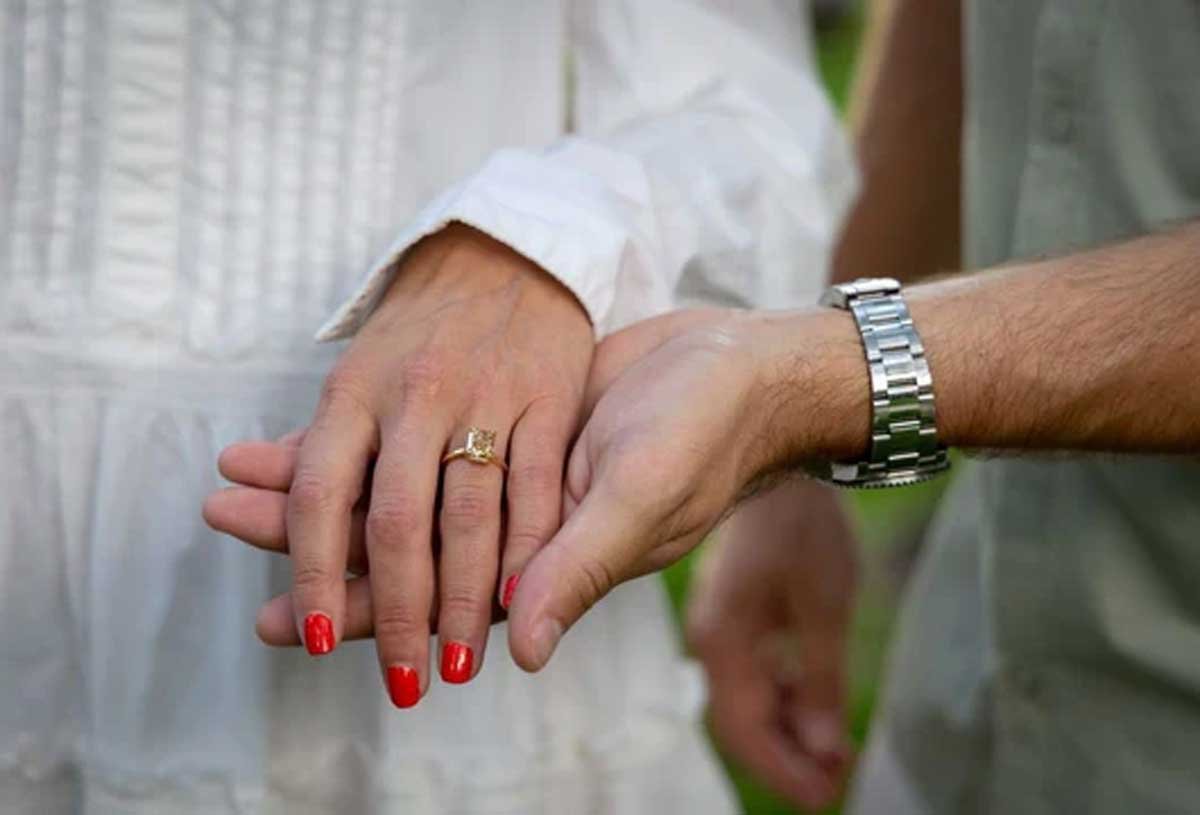
But here’s the truth: you don’t need to overcomplicate it.
A great gold engagement ring comes down to a few key ideas. If you focus on those, everything else becomes much easier. Below are five practical, real-world ideas that will help you choose a gold engagement ring that feels right—not just now, but years from now.
1. Choose the Right Gold Color for Personality and Style
Gold isn’t just one color. And the color you choose will define the entire feel of the ring.
The three main options are:
- Yellow gold – classic, warm, timeless
- White gold – modern, clean, minimal
- Rose gold – soft, romantic, slightly unique
This isn’t just about aesthetics—it’s about personality.
Yellow gold feels traditional and confident. It works well for someone who appreciates timeless design and doesn’t chase trends.
White gold feels contemporary and understated. It suits someone who prefers clean lines, minimalism, and a more modern look.
Rose gold feels emotional and personal. It’s often chosen by people who like softer tones and want something a little different without going too far from tradition.
The easiest way to decide? Look at what your partner already wears. If they mostly wear gold jewelry, yellow or rose gold will feel natural. If they prefer silver tones, white gold is the safer choice.
When the color matches their everyday style, the ring feels like it belongs.
2. Focus on the Right Gold Purity (Not Just the Highest)
It’s easy to assume that higher gold purity is always better. But with engagement rings, that’s not always true.
Gold purity is measured in karats:
- 24K – pure gold
- 18K – 75% gold
- 14K – 58.5% gold
- 10K – 41.7% gold
Pure gold (24K) is too soft for everyday wear. It scratches easily and can lose its shape over time.
18K gold looks richer and more luxurious, but it’s still relatively soft. It works best if the ring will be treated carefully.
14K gold is the most practical choice. It’s durable enough for daily wear while still looking like real gold. That’s why it’s the most popular option for engagement rings.
10K gold is even more durable and more affordable, but it has less of that classic gold appearance.
The key idea here is balance. You want gold that looks beautiful but can also handle real life.
3. Match the Gold with the Center Stone
Gold doesn’t exist in isolation—it interacts with the stone.
The combination of metal and gemstone changes how the ring looks overall.
Some combinations naturally work better than others:
- Yellow gold + diamond → warm, traditional contrast
- White gold + diamond → bright, modern look
- Rose gold + morganite or pink stones → soft, romantic tone
- Yellow gold + emerald or ruby → rich and vibrant combination
White gold tends to enhance the brightness of diamonds, making them appear whiter and more reflective. Yellow gold adds warmth, which can make certain stones feel more classic and vintage.
Rose gold softens the overall look, especially with lighter or pink-toned stones.
If you choose the gold and the stone together, rather than separately, the final result feels more cohesive.
4. Think About Everyday Life, Not Just the Proposal
It’s easy to focus on how the ring will look during the proposal. But what really matters is how it performs afterward.
An engagement ring is worn daily. That means it needs to fit into real life.
Ask yourself:
- Will it be comfortable to wear all day?
- Is the gold strong enough for daily use?
- Will it require frequent maintenance?
For example, white gold often needs occasional rhodium plating to maintain its bright finish. Yellow and rose gold typically require less maintenance.
If your partner has an active lifestyle—sports, gym, hands-on work—durability becomes even more important. In this case, 14K gold is usually the best choice.
A ring that looks perfect but feels inconvenient will slowly become less enjoyable to wear.
5. Keep the Design Timeless, Then Add a Personal Touch
Gold engagement rings can range from extremely simple to highly detailed. But there’s a fine line between unique and overly complicated.
Trends come and go. What looks modern today might feel outdated in a few years.
That’s why it’s usually better to start with a timeless foundation:
- Clean lines
- Balanced proportions
- Simple, elegant settings
Once you have that, you can add a personal detail.
This could be:
- A subtle engraving inside the band
- A hidden gemstone
- A slightly unique setting or shape
- A design inspired by a shared memory
These details don’t need to be obvious. In fact, the most meaningful ones often aren’t visible to others.
A timeless design ensures the ring ages well. A personal touch ensures it feels special.
Bringing It All Together
When you combine these five ideas, choosing a gold engagement ring becomes much more manageable.
Start with the color that matches your partner’s style. Choose a gold purity that balances beauty and durability. Think about how the gold interacts with the stone. Consider how the ring will be worn every day. And finally, keep the design simple, adding just enough personality to make it meaningful.
At that point, you’re no longer overwhelmed by options. You’re making intentional choices.
Common Mistakes to Avoid
Even with a clear plan, there are a few pitfalls to watch out for.
One of the most common mistakes is choosing based only on appearance without thinking about durability. A softer gold might look better initially, but it can wear down faster.
Another mistake is ignoring lifestyle. A ring that doesn’t fit daily habits will quickly become inconvenient.
Some people also assume that more expensive automatically means better. But in reality, the best ring is the one that fits—not the one that costs the most.
And finally, overcomplicating the design can take away from the meaning. Simplicity often lasts longer.
Final Thoughts
Choosing a gold engagement ring isn’t about finding the most impressive option.
It’s about finding the right balance—between style and practicality, between tradition and personality, between what looks good now and what will still look good years later.
Yellow gold feels timeless. White gold feels modern. Rose gold feels personal.
14K gold offers durability. 18K gold offers richness.
There’s no single perfect answer.
But when you choose gold that fits your partner’s style, supports their lifestyle, and reflects your relationship, the ring becomes more than just jewelry.