Bad breath, also known as halitosis, is something nearly everyone experiences at some point. For some, it’s a fleeting issue after a garlicky meal, but for others, it’s a persistent concern that affects confidence and social interactions. While chewing gum or popping a mint can offer quick relief, addressing the underlying causes of bad breath is the real solution. Let’s take a closer look at the most common culprits behind halitosis and how to tackle them.

1. Poor Oral Hygiene
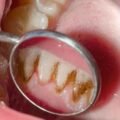
One of the biggest contributors to bad breath is inadequate oral hygiene. When food particles remain trapped between teeth or along the gumline, bacteria break them down, releasing unpleasant-smelling sulfur compounds. Over time, plaque buildup can harden into tartar, further worsening the problem.
Fix: Brushing twice daily, flossing every day, and using an antibacterial mouthwash can make a big difference in keeping your breath fresh. For deeper cleaning and to remove buildup in areas your toothbrush can’t reach, scheduling regular visits with Anchorage dentists is essential.
2. Dry Mouth
Saliva plays a crucial role in keeping your mouth clean by washing away food particles and bacteria. When saliva production slows down, bacteria thrive, leading to foul odors. This condition, known as xerostomia, can result from dehydration, certain medications, or even sleeping with your mouth open.
Fix: Stay hydrated throughout the day, chew sugar-free gum to stimulate saliva, and consider using a humidifier at night. If medications are the cause, talk to your doctor or dentist about possible alternatives.
3. Food Choices
It’s no surprise that pungent foods like garlic, onions, and certain spices can trigger bad breath. These foods contain compounds that enter the bloodstream and are expelled through the lungs, making their odor linger long after brushing. Additionally, diets high in sugar can encourage bacterial growth in the mouth, adding to unpleasant odors.
Fix: Limiting strong-smelling foods before social events helps. Balancing your diet with fresh fruits, vegetables, and whole grains can also keep bacteria in check.
4. Tobacco Use
Smoking or chewing tobacco leaves more than just a strong smell—it dries out the mouth, stains teeth, and increases the risk of gum disease, all of which contribute to chronic bad breath.
Fix: The most effective solution is quitting altogether. Not only does it improve breath, but it also enhances overall oral and physical health.
5. Gum Disease
Persistent bad breath can sometimes signal periodontal disease. This condition occurs when bacteria build up in the gums, leading to infection, inflammation, and sometimes tooth loss. The bacteria associated with gum disease release particularly foul-smelling byproducts.
Fix: Regular dental visits are key. A professional cleaning and treatment plan can help manage gum disease and eliminate odor at the source.
6. Medical Conditions
While most cases of halitosis originate in the mouth, certain medical conditions can also be to blame. Chronic sinus infections, respiratory illnesses, acid reflux, diabetes, and liver or kidney problems can all contribute to unpleasant breath odors.
Fix: If bad breath persists despite good oral hygiene, consult a healthcare provider. Identifying and treating the underlying condition can not only freshen breath but also protect overall health.
7. Dental Appliances
Braces, dentures, and retainers can trap food particles and harbor bacteria if not cleaned properly, leading to lingering odors.
Fix: Follow your dentist’s instructions for cleaning dental appliances thoroughly. Using specialized cleaners and brushing appliances daily can make a big difference.
8. Morning Breath
Almost everyone wakes up with less-than-fresh breath. While you sleep, saliva production decreases, allowing bacteria to thrive. This results in the characteristic “morning breath” many people notice upon waking.
Fix: Brushing and flossing before bed helps reduce bacteria. Drinking water and rinsing your mouth when you wake up also quickly improves freshness.
Final Thoughts
Halitosis isn’t just an embarrassing inconvenience—it’s often a signal from your body that something needs attention, whether it’s oral hygiene, hydration, or an underlying medical issue. The good news is that most causes are manageable with consistent care and healthy habits.
If bad breath persists despite your best efforts, don’t ignore it. A dentist or doctor can help uncover the root cause and guide you toward effective treatment. With the right approach, you can confidently leave bad breath behind and enjoy fresher, healthier days ahead.