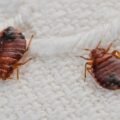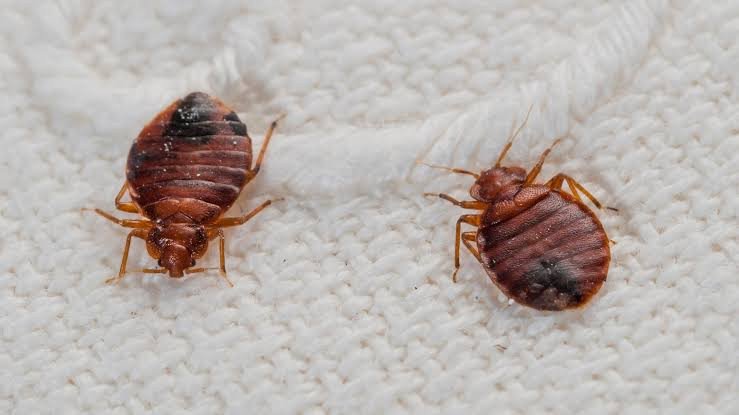
Bed bugs best treatment is not a magic spray or a “100%” kill claim; it is an integrated plan that combines heat, vacuuming, encasements, and monitoring, repeated until a month passes with none found. Single-method “best treatment” promises are mostly marketing, and popular home remedies like baking soda and household cleaner do nothing against a real infestation. The honest approach separates what works from what wastes money, then knows when to call a licensed professional.
The guide below covers the methods that actually work, the ones to skip, and the process that finishes the job instead of pausing it.
What Works, and What Wastes Money
The fastest way past the marketing is a straight comparison of methods, and the Rutgers University guide to cost-effective vs money-wasting bed bug control lays it out plainly. The table summarizes which approaches earn their cost and which do not, based on the university’s and EPA’s guidance.
| Method | Verdict | Why
|
| Heat (dryer, heat chamber, steam) | Works | Kills bugs and eggs where it reaches ~120°F+ or steam |
| Vacuuming + sealed disposal | Works | Removes bugs and skins, reduces spread |
| Mattress / box-spring encasement | Works | Traps bugs inside, cuts harborage |
| Bed bug traps (pitfall) | Works | Detects most infestations, cuts bites |
| Hot laundering + hot drying | Works | Kills bugs and eggs on washable fabric |
| Freezing small items (0°F) | Works, slow | Kills over several days in sealed bags |
| Foggers / bug bombs | Wastes money | Ineffective against bed bugs and a fire risk |
| Household cleaner / disinfectant | Wastes money | Does not kill bed bugs on contact |
| Baking soda | Wastes money | No reliable evidence it kills bed bugs |
The pattern is consistent: physical methods that reach the hiding places work, while sprays and single “cures” that only touch surfaces do not. That is why a real plan combines several working methods instead of betting on one.
The DIY Toolkit That Actually Works
A set of affordable, homeowner-runnable methods handles a lot of an infestation, and each fills a specific gap. Vacuum furniture, baseboards, bed frames, and seams with the tube swabbed into cracks, then seal the bag and toss it outside, since a vacuum catches bugs but not always the eggs hidden in cracks. Steam the same seams and crevices slowly, letting heat reach the hiding spot, because steam at around 212 degrees kills bugs it touches and a slow pass beats a quick one. Put mattresses and box springs in zippered, sealed encasements so any bugs inside are trapped, and run bedding, cushions, and washable items through hot water and long hot-drying cycles.
For items that cannot be washed, use dry heat or cold. A heat chamber treats shoes, electronics, and luggage without ruining them, and a home freezer can handle small items, left sealed in plastic at zero degrees for a few days. Set pitfall traps under furniture legs to catch stragglers and prove whether the infestation is gone, and seal cracks and seams with silicone caulk to close hiding spots. On their own none of these fully ends an infestation, but together they attack every stage a bug passes through.
Methods That Waste Your Money
Several products and habits are worth skipping, because they cost money without killing bed bugs. Foggers and bug bombs are the clearest example: the spray cannot reach the cracks where bed bugs hide, studies find them ineffective against bed bugs, and they carry a fire and health risk, so never let a fogger be your only treatment. Household cleaning sprays and disinfectants do not kill bed bugs on contact, despite what some claim. Most natural or essential-oil products fall short too; university testing found only a couple of natural products killed most bed bugs, while many did little against the eggs.
Switching where you sleep also wastes your effort. Bed bugs can survive months without feeding and follow your breath to the new room, so moving just spreads them wider. And baking soda, a popular online “cure,” has no reliable evidence behind it. Knowing what does not work keeps you from spending on cures that cannot work and lets the real treatment do its job.
The Process That Finishes the Job
The way to actually get rid of bed bugs is a process, not a single treatment. It follows an integrated approach: reduce hiding spots and clutter, apply the working methods together, then monitor and repeat. Start by sealing infested items and reducing clutter so there are fewer places to hide, apply heat, vacuum, encasements, and traps as one coordinated pass, then check every few days for signs, because missed bugs or newly hatched eggs mean the cleanup needs another round.
Persistence is the difference between a pause and a finish. The EPA’s do-it-yourself bed bug guidance expects the process to take weeks, with several rounds and continued inspection for a year to confirm none remain. Stop treating only when a month passes without finding any bug in the traps or on the seams. If the infestation is widespread, inside walls or furniture, or in a multifamily building, call a licensed pest-control professional, who can treat a whole structure.
“Instant” and “100%” Kill Claims, Checked
Two common claims about bed bug treatment deserve a straight answer. “What kills bed bugs instantly” has only one honest answer: heat that touches them, especially steam at high temperature, kills the bugs it reaches the moment it does. There is no spray that instantly kills a colony or the eggs. “What 100% kills bed bugs” is marketing, not a product claim, because nothing DIY reliably gets every bug and egg in a structure; a complete integrated plan or a professional whole-structure treatment is the closest thing there is. The phrase worth trusting is “a month clean,” not “100%.”
Safety Rules for Any Treatment
Bed bug treatment involves deliberate choices because the wrong ones are dangerous. Never try to raise indoor temperature with a thermostat, propane heater, or fireplace to kill bed bugs, since that does not work and is a real fire and carbon-monoxide risk. Never use rubbing alcohol, kerosene, or gasoline, which can ignite easily. Skip food-grade or pool-grade diatomaceous earth, which can harm you if inhaled; if you use a desiccant, choose an EPA-registered pesticide version. When you do use pesticides, pick only EPA-registered products with bed bugs named on the label, follow the label exactly, and accept that a fogger alone is unsafe and ineffective. When a larger treatment calls for it, a licensed professional handles the chemistry safely.
Bed Bugs Best Treatment: Common Questions
What kills bed bugs instantly?
Heat that makes direct contact, especially steam at a high temperature, kills bed bugs instantly where it touches them. No spray reliably kills an entire colony or the eggs instantly, so used alone, an “instant” method does not finish an infestation.
Which is the most effective bed bug treatment?
The most effective approach is integrated pest management, combining heat, vacuuming, encasements, and traps, repeated until a month passes with none found. For a widespread or structural infestation, a licensed professional who can treat the whole building is the most reliable route.
How do you get rid of bed bugs permanently?
Combine the working methods, reduce clutter, seal infested items, and repeat the process while monitoring every few days until a full month passes with no bed bugs found. Preventing reintroduction, checking secondhand items and travel bags, then keeps them from returning.
What 100% kills bed bugs?
Nothing sells reliably in a can. “100%” is a marketing claim; no DIY product gets every bug and egg in a structure. The closest to complete is an integrated plan done through until a month clean, or a professional whole-structure heat or chemical treatment.
Does baking soda kill bed bugs?
No, baking soda has no reliable evidence it kills bed bugs and is not a registered treatment. It is a widely shared home remedy that does not work against an infestation, so money and time are better spent on heat, vacuuming, encasements, and traps.
The best bed bug treatment is a combination you trust over any single claim. Apply heat, vacuum, encase, and trap together, repeat until a month passes clean, and skip the baking soda, foggers, and “100%” cures that cost money without results. Get it done in one honest plan and bed bugs stop being your problem.