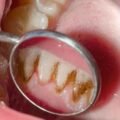
Bad breath, medically known as halitosis, is a common problem that can affect anyone at any age. While occasional bad breath after a meal is normal, persistent odor can signal underlying health issues or habits that need attention. Understanding the causes of bad breath is the first step toward maintaining fresh breath and oral health.

1. Poor Oral Hygiene
The most common cause of bad breath is inadequate oral hygiene. Food particles left in your mouth feed bacteria that release sulfur compounds, creating a foul smell. Skipping brushing or flossing allows plaque to build up, leading not only to bad breath but also to cavities and gum disease. Brushing twice daily, flossing, and using an antibacterial mouthwash can significantly reduce odor.
2. Food and Drink Choices
Certain foods are notorious for causing bad breath. Garlic, onions, and spicy foods release strong-smelling compounds that enter your bloodstream and exit through your lungs when you breathe. Coffee and alcohol can also dry out your mouth, reducing saliva flow and allowing bacteria to thrive. Limiting these foods or practicing good oral hygiene after consuming them can help manage temporary bad breath.
3. Dry Mouth (Xerostomia)
Saliva plays a crucial role in washing away food particles and neutralizing acids produced by bacteria. A decrease in saliva production, often caused by medications, dehydration, or certain health conditions, can lead to persistent bad breath. Chewing sugar-free gum, staying hydrated, and discussing dry mouth remedies with your dentist in Layton can help maintain oral freshness.
4. Tobacco Products
Smoking and chewing tobacco not only stain teeth but also contribute to bad breath. Tobacco use irritates the gums, reduces saliva flow, and leaves a lingering odor in the mouth. Quitting tobacco products is one of the most effective ways to improve both oral health and breath.
5. Medical Conditions
Bad breath can sometimes be a symptom of underlying medical conditions. Respiratory infections, sinus issues, diabetes, liver or kidney problems, and gastrointestinal disorders can all contribute to halitosis. If you notice persistent bad breath despite good oral hygiene, it’s important to consult your dentist or physician to rule out health issues.
6. Oral Infections
Gum disease, tooth decay, and oral infections create pockets where bacteria can thrive. These bacteria produce volatile sulfur compounds that lead to unpleasant odors. Regular dental checkups, professional cleanings, and prompt treatment of oral infections can help keep breath fresh.
7. Poorly Fitted Dental Appliances
Dentures, braces, or retainers that aren’t cleaned properly can trap food particles and bacteria, causing bad breath. Removing and thoroughly cleaning these appliances daily prevents odor buildup and maintains oral health.
How to Fight Bad Breath
- Maintain Good Oral Hygiene: Brush at least twice a day, floss daily, and use an antibacterial mouthwash.
- Stay Hydrated: Drink plenty of water to prevent dry mouth and flush away food particles.
- Watch Your Diet: Limit foods that contribute to bad breath and rinse your mouth after meals.
- Quit Tobacco: Avoid smoking or chewing tobacco products.
- Regular Dental Visits: See your dentist in Layton for routine checkups and professional cleanings.
- Treat Underlying Conditions: Consult healthcare providers if bad breath persists despite proper oral care.
Final Thoughts
Bad breath is often a manageable problem, but it can sometimes indicate deeper health concerns. By identifying the cause—whether it’s diet, hygiene habits, or a medical condition—you can take proactive steps to combat halitosis. Regular dental care, healthy habits, and staying informed are key to maintaining fresh breath and overall oral health. With the right approach, you can confidently smile and speak without worrying about bad breath.