What if your business could slash operational costs by up to 40% while simultaneously boosting productivity? This isn’t a far-fetched dream. It’s the tangible result of Autoamina, a new wave in automation technology. Many businesses still grapple with inefficient, repetitive tasks that drain resources and stifle innovation. Traditional automation helps, but often hits a wall.
Autoamina changes everything. It’s more than just another buzzword in the tech world. It represents a fundamental shift in how we approach automation. By integrating artificial intelligence, Autoamina creates systems that are not only automated but also intelligent, adaptive, and incredibly efficient. This is where true transformation begins.

This article dives deep into the world of Autoamina. We’ll explore what it is, how it works, and the powerful benefits it offers. You’ll see real-world applications and discover how it stacks up against traditional methods. Get ready to understand the future of automation.
What is Autoamina?
At its core, Autoamina is an advanced approach to automation that leverages artificial intelligence and machine learning to create self-managing, adaptive systems. Unlike rigid, rule-based automation, Autoamina is designed to handle complex, dynamic workflows with minimal human intervention. It learns, adjusts, and optimizes its own processes over time.
The term itself has appeared in various contexts, from autonomous vehicle technology to business process management. However, the unifying thread is the concept of ‘automated stamina’—the ability of a system to perform consistently and intelligently over the long term. It’s the evolution from simply doing tasks automatically to accomplishing them smartly.
The Core Concept Behind Autoamina
The fundamental idea of Autoamina is to build systems that think. Instead of just following a pre-programmed script, these systems analyze data, recognize patterns, and make decisions. This allows them to manage not just repetitive tasks, but also complex processes that traditionally required human judgment. The goal is to free up human potential for more strategic and creative work.
Key Technologies Powering Autoamina
Autoamina isn’t a single technology but an integration of several powerful components. Machine learning algorithms allow the system to improve from experience. Natural Language Processing (NLP) enables it to understand and process human language. Meanwhile, sophisticated analytics engines provide the insights needed for real-time decision-making. Together, these technologies create a robust and intelligent automation framework.
How Autoamina Works
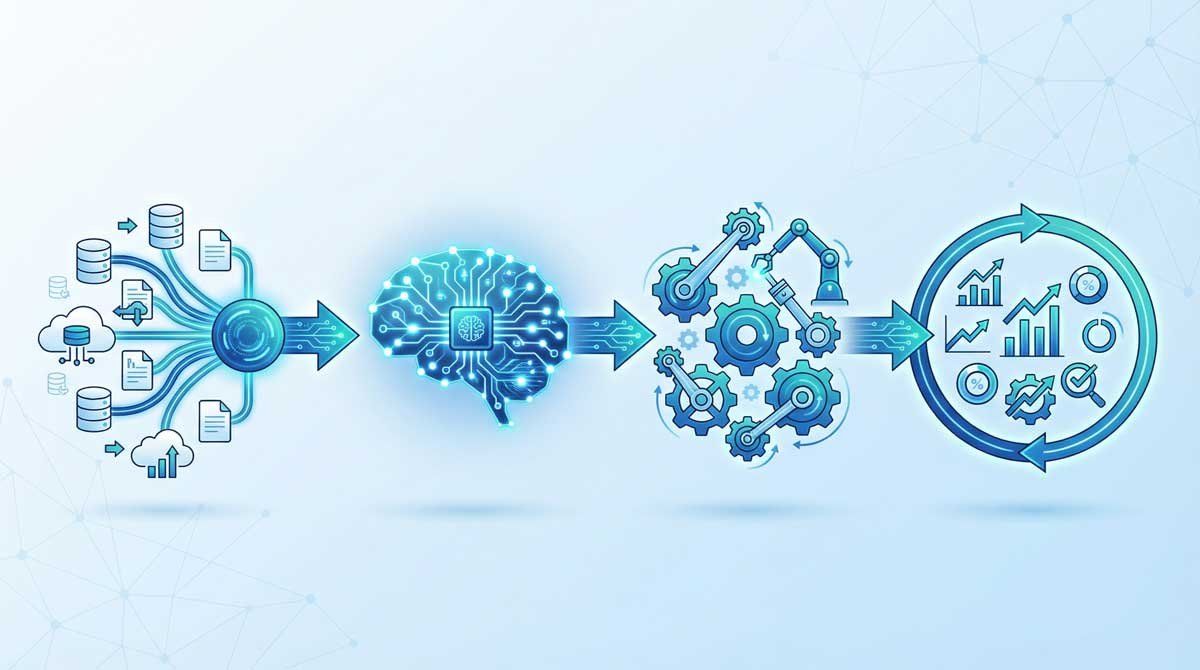
Autoamina operates by creating a dynamic, self-regulating ecosystem. It begins by ingesting vast amounts of data from various sources within an organization. This data can range from customer interactions and sales figures to supply chain logistics and internal workflows. The system doesn’t just collect data; it actively processes and understands it in real-time.
Using its intelligent core, Autoamina identifies inefficiencies, bottlenecks, and opportunities for improvement. It then automatically designs and implements optimized workflows. This is not a one-time fix. The system continuously monitors performance, gathers feedback, and refines its processes, ensuring sustained improvement and peak efficiency.
The Technology Stack
The power of Autoamina comes from its sophisticated technology stack. At the base lies a robust data integration layer that connects disparate systems. Above that, a powerful AI and machine learning engine serves as the brain. This is complemented by a user-friendly interface and a comprehensive analytics dashboard, which provides transparent insights into the automated processes.
Here’s a simplified breakdown of its operational flow:
- Data Aggregation: Collects data from all connected business systems.
- Intelligent Analysis: AI algorithms analyze the data to identify patterns and inefficiencies.
- Workflow Automation: Creates and executes automated tasks to streamline operations.
- Continuous Optimization: Machine learning models refine workflows based on performance outcomes.
Adaptive Learning Capabilities
What truly sets Autoamina apart is its adaptive learning. Every action taken and every outcome produced becomes a new data point for the system to learn from. This creates a powerful feedback loop. The more the system works, the smarter and more effective it becomes at anticipating needs and solving problems before they arise.
Key Benefits of Autoamina
Adopting an Autoamina framework delivers transformative benefits that go far beyond simple automation. Businesses that embrace this technology gain a significant competitive edge. The improvements are not just incremental; they are fundamental shifts in how operations are managed, leading to profound gains in both efficiency and strategic capability.
From slashing operational costs to empowering employees, the impact is felt across the entire organization. It fosters a culture of innovation by removing the friction of repetitive, low-value work. Let’s explore the specific advantages in more detail.
Operational Efficiency Gains
Autoamina dramatically accelerates business processes. Tasks that once took hours or even days can be completed in minutes with flawless accuracy. This frees up valuable human resources, allowing employees to pivot from tedious manual labor to high-impact, strategic initiatives that drive growth. The result is a more agile and responsive organization.
Cost Reduction and ROI
The financial impact is one of the most compelling aspects of Autoamina. By automating workflows and reducing the need for manual intervention, businesses can significantly lower their operational costs. The reduction in human error also translates to direct savings. The return on investment is often realized quickly, as increased productivity and lower expenses compound over time.
Enhanced Accuracy and Reliability
Human error is an unavoidable factor in any manual process. Autoamina mitigates this risk by ensuring tasks are performed with machine-level precision, every single time. This leads to higher quality outcomes and greater reliability in all business operations. Customers and stakeholders notice this consistency, which builds trust and strengthens brand reputation.
Autoamina vs. Traditional Automation Methods
To truly appreciate the innovation of Autoamina, it helps to compare it directly with traditional automation tools. While both aim to improve efficiency, their approach and capabilities differ significantly. Traditional automation is often rigid and task-specific, whereas Autoamina offers a dynamic and holistic solution. This distinction is crucial for businesses deciding on the right long-term strategy.
The table below breaks down the key differences across several critical dimensions. It highlights how Autoamina provides a more intelligent, scalable, and adaptable framework for modern business challenges.
| Feature | Autoamina | Traditional Automation |
|---|---|---|
| Adaptability | Highly adaptive; uses AI to adjust to new data and changing conditions. | Rigid and rule-based; requires manual reprogramming for any process change. |
| Implementation Complexity | Often features user-friendly interfaces, reducing the need for deep coding knowledge. | Typically requires significant IT resources and coding expertise to set up. |
| Scalability | Designed for high scalability, handling growing volumes of data and complexity. | Scalability can be limited and often requires substantial rework. |
| Maintenance | Self-optimizing and requires minimal ongoing maintenance. | Needs constant monitoring, updates, and manual adjustments. |
| Decision-Making | Capable of making intelligent, data-driven decisions. | Follows pre-defined rules without any cognitive ability. |
| Return on Investment (ROI) | Higher long-term ROI due to continuous improvement and greater efficiency gains. | Initial ROI can be good, but it diminishes without constant reinvestment. |
Real-World Applications of Autoamina

The versatility of Autoamina makes it a powerful tool across a wide spectrum of industries. Its ability to learn and adapt allows it to solve unique challenges in different sectors. From streamlining complex financial processes to optimizing life-saving healthcare workflows, Autoamina is already making a significant impact. Its applications are not just theoretical; they are practical, proven, and expanding every day.
Business Process Automation
In the corporate world, Autoamina is a game-changer for back-office operations. It automates everything from invoice processing and expense reporting to employee onboarding. By creating a seamless flow of information between departments like finance, HR, and procurement, it eliminates data silos and dramatically improves internal efficiency. This allows businesses to operate with greater agility.
Automotive and Transportation
The automotive sector is leveraging Autoamina to pioneer the future of mobility. In autonomous vehicles, it powers the complex systems that perceive the environment and make critical driving decisions. Beyond the car itself, it optimizes logistics, manages fleet operations, and predicts maintenance needs, ensuring vehicles are safer, more reliable, and more efficient.
Healthcare and Manufacturing
In healthcare, Autoamina helps manage patient records, streamline appointment scheduling, and even assist in analyzing medical data for diagnostic purposes. For manufacturing, it optimizes supply chains, manages inventory, and controls robotic assembly lines. In both fields, it reduces the risk of human error in critical processes, leading to better outcomes and higher safety standards.
Customer Service Solutions
Autoamina is revolutionizing the customer experience. It powers intelligent chatbots that can handle complex queries with human-like understanding. It also automates ticket routing, analyzes customer feedback to identify pain points, and provides support agents with real-time information. This leads to faster response times, more personalized interactions, and ultimately, higher customer satisfaction.
Getting Started with Autoamina
Implementing Autoamina into your organization may seem like a daunting task, but it can be a smooth and structured process. A successful transition depends on careful planning and a clear understanding of your goals. By breaking the process down into manageable steps, any business can begin to harness the power of intelligent automation. This is not about a radical, overnight overhaul; it’s about a strategic, phased integration.
Assessment and Planning
The first step is always assessment. Before you can automate, you must understand. Identify the processes within your organization that are most ripe for automation. Look for tasks that are repetitive, time-consuming, or prone to error. Define clear objectives for what you want to achieve. Are you aiming to reduce costs, increase speed, or improve accuracy? This initial planning phase is critical for a successful outcome.
Implementation Steps
Once you have a clear plan, you can move to implementation. While the specifics will vary depending on the platform you choose, the general roadmap looks like this:
- Select the Right Platform: Research and choose an Autoamina solution that fits your business needs and budget.
- Integrate with Existing Systems: Connect the platform to your current software stack, such as your CRM, ERP, and other tools.
- Configure Your First Workflows: Start with a small, manageable process to automate. This allows you to learn and test in a low-risk environment.
- Test and Refine: Run simulations to ensure the automation works as expected. Gather feedback and make necessary adjustments.
- Deploy and Monitor: Go live with your automated workflow and use the analytics dashboard to monitor its performance.
- Scale and Expand: Once you’ve seen success with your initial project, gradually expand the automation to other areas of the business.
Best Practices for Success
To ensure a smooth journey, keep a few best practices in mind. Always involve the employees who will be affected by the automation. Their input is invaluable, and their support is essential. Maintain a balance between automation and human oversight. Finally, view Autoamina not as a one-time project, but as a continuous improvement initiative that evolves with your business.
Challenges and Considerations
While the benefits of Autoamina are transformative, it’s important to approach implementation with a realistic perspective. Like any powerful technology, it comes with its own set of challenges and considerations. Addressing these potential hurdles proactively is key to mitigating risks and ensuring a successful, long-term strategy. A clear-eyed view of the potential obstacles is a sign of mature planning.
One of the primary concerns is data privacy and security. Autoamina systems handle vast amounts of sensitive information, making them a potential target for cyber threats. Therefore, robust security protocols, including encryption and access controls, are non-negotiable. Businesses must ensure they are compliant with data protection regulations like GDPR.
Another consideration is the initial investment. While Autoamina delivers a strong ROI over time, the upfront cost of software and implementation can be significant. It also requires a cultural shift within the organization. Employees may be resistant to change, fearing that automation will make their roles obsolete. Proper change management and communication are crucial to get everyone on board.
The Future of Autoamina
The journey of Autoamina is just beginning. As artificial intelligence and machine learning technologies continue to advance at an exponential rate, the capabilities of these intelligent automation systems will only grow more powerful. We are moving towards a future where automation is not just a tool, but a core, cognitive partner in business operations. The line between human and machine tasks will continue to blur.
We can expect to see Autoamina become even more predictive and proactive. Future systems may not just optimize existing processes but also anticipate future business needs and recommend entirely new strategies. The integration with the Internet of Things (IoT) will create a seamless, interconnected web of smart devices and automated workflows. This evolution, often called hyper-automation, will redefine what’s possible in terms of efficiency and innovation.
Frequently Asked Questions About Autoamina
- 1. What is Autoamina and how does it differ from regular automation?
- Autoamina is an advanced form of automation that uses artificial intelligence (AI) and machine learning to create intelligent, adaptive systems. While regular automation follows fixed, pre-programmed rules to perform repetitive tasks, Autoamina can analyze data, make decisions, and learn from its outcomes. The key difference is intelligence; Autoamina doesn’t just do, it thinks. It can handle complex, dynamic workflows and optimizes its own performance over time, something traditional automation cannot do.
- 2. How does Autoamina work in practice?
- In practice, Autoamina integrates with a company’s existing software to collect and analyze data in real-time. Its AI engine identifies opportunities for improvement and automates workflows accordingly. For example, it could automate the entire process from receiving a customer order to sending the invoice, handling any exceptions or changes along the way by making intelligent decisions. It operates through a continuous cycle of data analysis, action, and learning.
- 3. What are the main benefits of using Autoamina?
- The primary benefits of Autoamina include a dramatic increase in operational efficiency, significant cost reduction by minimizing manual labor and errors, and enhanced accuracy in all processes. It also offers high scalability to grow with your business and improves the overall customer experience by enabling faster, more reliable service. Ultimately, it frees up human employees to focus on more strategic, high-value work.
- 4. Is Autoamina suitable for small businesses?
- Yes, absolutely. Many modern Autoamina platforms are designed to be scalable and flexible, making them accessible to small and medium-sized businesses. Cloud-based solutions, in particular, often offer subscription models that eliminate the need for a large upfront investment in infrastructure. The user-friendly interfaces also mean that small businesses don’t need a large, dedicated IT team to manage the system.
- 5. What industries can benefit most from Autoamina?
- While almost any industry can benefit, those with complex, data-heavy processes see the most immediate impact. This includes finance and banking (for fraud detection and loan processing), healthcare (for patient management and billing), manufacturing (for supply chain optimization), and customer service (for intelligent support automation). The automotive industry is also a key beneficiary, particularly in the development of autonomous vehicles.
Conclusion
Autoamina is not just an incremental upgrade to traditional automation; it is a paradigm shift. By infusing processes with intelligence, it unlocks a level of efficiency, accuracy, and adaptability that was previously unattainable. It tackles the core challenges of modern business—the need to do more with less, to move faster without sacrificing quality, and to make smarter, data-driven decisions. It represents a powerful convergence of AI, machine learning, and process optimization.
The journey towards intelligent automation is no longer a question of ‘if’, but ‘when’. Embracing Autoamina is an investment in a more resilient, innovative, and competitive future. Whether you are a small business looking to scale or a large enterprise aiming to optimize, the time to explore the transformative potential of Autoamina is now. The future of your business operations depends on it.