

Smart home systems have become a staple in modern buildings, putting control of lighting, security, entertainment, and energy use in the palm of our hands.
However, one question seems to pop up constantly: Can you blend contemporary tech with modern minimalist interiors? The short answer is yes.
With careful planning and design, you can include smart devices in almost every corner of your home without anyone noticing they are even there.
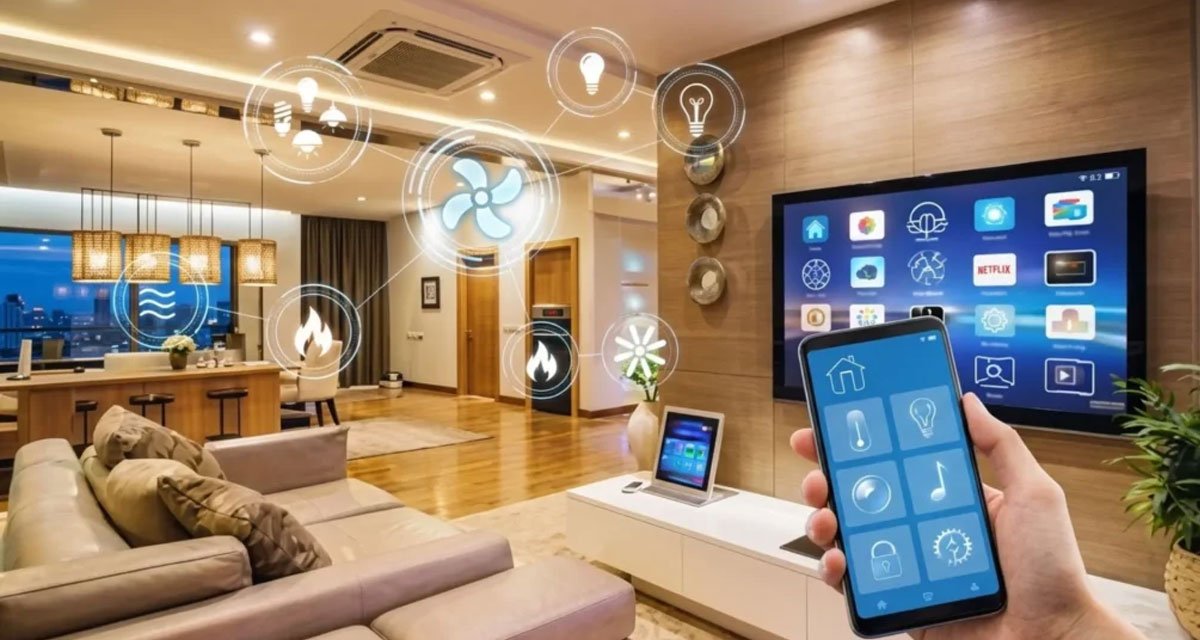
Smart Homes No Longer Mean Visible Technology
First-generation smart home gadgets often weren’t aesthetically pleasing. Technology was impossible to miss with the bulky hubs, exposed wiring, and oversized speakers. Modern systems are designed to be integrated.
Homeowners can choose recessed speakers, hidden wiring, flush-mounted control panels, and shades that automatically retract into ceiling pockets when not in use. Also, many devices are small enough to fit easily into existing layouts without changing the overall design of a room.
Technology Should Support the Design
The first step of a successful remodeling process focuses more on the style of the house than on the technology. Whether it’s a modernist kitchen or a cozy living room, all technical features should complement the general look of the house, not go against it.
Interior designers usually take into account the technical part of a remodeling project in the first phases of the design process, so they know where each major element goes before doing anything else.
Lighting Creates Both Function and Atmosphere
Smart lighting is one of the best examples of technology improving aesthetics. Automated lighting scenes allow homeowners to adjust brightness, color temperature, and scheduling throughout the day while reducing the need for multiple visible switches.
Layered lighting also helps highlight architectural details, artwork, and custom finishes, making the home’s design feel more intentional. Well-planned lighting can even improve comfort and energy efficiency by adapting to occupancy or daylight conditions.
Entertainment Without the Clutter
Entertainment systems no longer require large media cabinets filled with equipment. Televisions can be recessed into walls, concealed behind artwork, or integrated into custom-built-ins.
As these screens become more connected to our personal accounts and credit cards, integrating identity theft protection has become as essential to the modern media room as the hardware itself, providing a final layer of invisible security.
Planning Makes the Difference
Integrating technology successfully is not about adding more devices but rather about making intentional decisions during the remodeling process. Experienced design and construction professionals ensure that systems complement both the home’s appearance and the homeowner’s daily routine.
Some important things you should consider:
- Planning wiring before the walls are finished.
- Choosing devices that match the home’s architectural style.
- Creating centralized control for lighting, security, and entertainment.
- Designing cabinetry that conceals equipment when possible.
- Leaving room for future technology upgrades.
Tip: Run and test your Wi-Fi coverage before the walls are closed up. Retrofitting a dead zone later is far more costly than planning for it up front.
Balance Beauty with Everyday Convenience
The most successful smart homes don’t feel overly technical. Instead, the technology quietly works in the background while the home’s design remains the focal point.
Hidden charging stations, automated climate control, discreet security cameras, and voice-controlled systems all contribute to a cleaner, more organized living environment. Smart home technology can also improve accessibility by making everyday tasks easier for people of all ages and abilities. Many connected home features can support aging in place and independent living.
Conclusion: A Well-Designed Home Can Have Both Style and Function
You don’t have to sacrifice aesthetics to get the comfort and convenience smart devices offer. With the right approach, planning, and thoughtful design, you can create a home that looks good, feels welcoming, and is convenient as soon as you step inside.
You Might Also Like...
 The Ultimate Guide to Smart Home Automation: Transforming Your Living Space
 6 Professional Garage Door Repair Companies Covering Houston
 Why Businesses Are Replacing Legacy CCTV with Intelligent Commercial Security Systems
 Sinkom Explained: The Complete Guide to Smart Integration, Coordination, and Innovation
