For decades, windows have been considered the weakest link in a home’s thermal envelope. Traditional single-pane windows, while providing natural light and ventilation, offer virtually no resistance to heat transfer. During the sweltering summer months, they allow intense solar radiation to bake the interior, forcing air conditioning systems to work overtime. In the winter, they act as a sieve, allowing expensive heated air to escape rapidly into the cold environment. However, the advancement of building science has completely revolutionized window technology. Today, installing energy efficient windows is widely recognized as one of the most impactful upgrades a homeowner can make to improve indoor comfort, drastically reduce utility bills, and decrease their overall carbon footprint.
Understanding what makes a window truly energy efficient requires looking beyond the frame. Modern high-performance windows are complex systems engineered with multiple layers of specialized materials designed to mitigate the three primary methods of heat transfer: conduction, convection, and radiation. From inert gas fills sandwiched between multiple panes of glass to microscopic metallic coatings that reflect specific wavelengths of light, these technological innovations work in concert to create a robust thermal barrier. This comprehensive guide will explore the anatomy of energy efficient windows, decode the critical performance ratings used by industry professionals, and provide actionable advice on selecting the perfect windows for your specific climate and architectural style.
The Anatomy of High-Performance Glazing
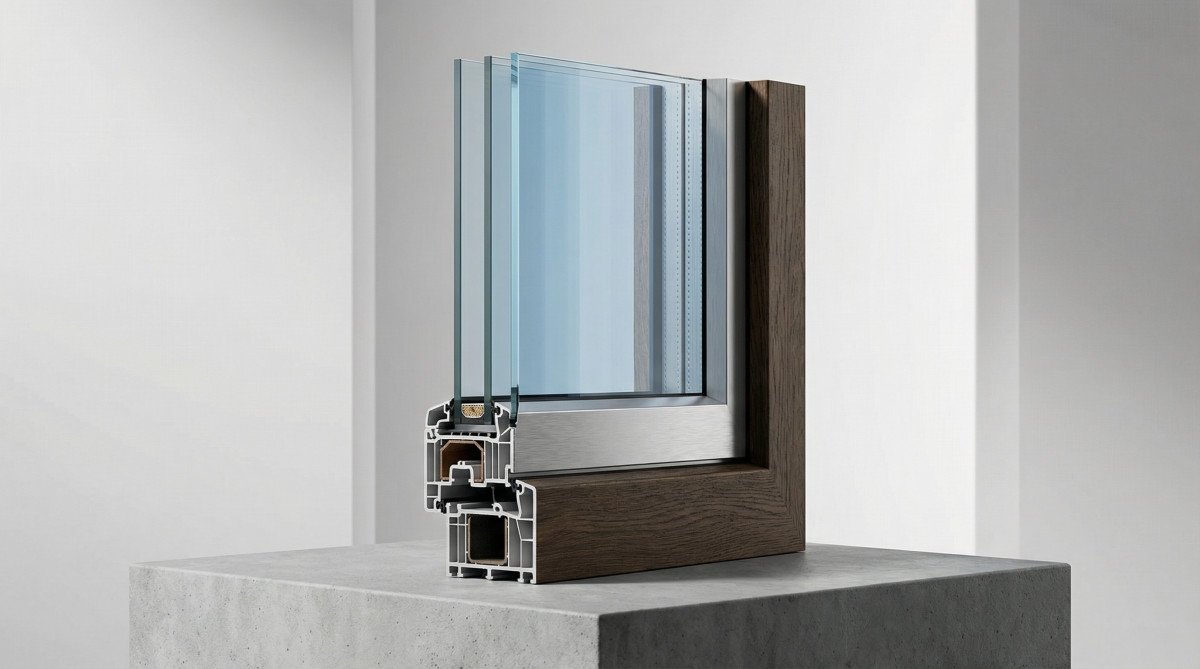
Answer Capsule: The core of an energy efficient window is its glazing system. This typically includes double or triple panes of glass separated by insulating argon or krypton gas, and coated with Low-E (low-emissivity) metallic layers to reflect heat.
The most significant advancement in window technology is the transition from single-pane to multi-pane glazing. An energy efficient window typically features two (double-pane) or three (triple-pane) sheets of glass separated by a sealed spacer. This design creates an insulated cavity between the panes. Rather than leaving this cavity filled with standard air, manufacturers inject inert, non-toxic gases such as argon or krypton. These gases are significantly denser than atmospheric air, which severely restricts the movement of thermal energy (convection) through the window unit. For homeowners in extreme climates—whether exceptionally cold or brutally hot—triple-pane windows with argon gas fills offer the highest level of thermal resistance available on the residential market.
Equally important to the gas fill is the application of Low-Emissivity, or Low-E, coatings. Low-E coatings are microscopically thin, virtually invisible layers of metallic oxide applied directly to the surface of the glass during manufacturing. These coatings are engineered to act as a selective filter for the solar spectrum. During the summer, the Low-E coating reflects the sun’s long-wave infrared heat back into the environment, preventing it from entering the home, while still allowing visible light to pass through. Conversely, during the winter, the coating reflects the radiant heat generated by your home’s heating system back into the interior living space, preventing it from escaping through the glass. This dual-action performance is critical for maintaining year-round comfort and energy efficiency.
Decoding NFRC Performance Ratings
Answer Capsule: To verify the efficiency of a window, consumers must look at the National Fenestration Rating Council (NFRC) label. The two most critical metrics on this label are the U-Factor (insulation performance) and the Solar Heat Gain Coefficient (SHGC).
When shopping for energy efficient windows, it is essential to rely on objective, standardized testing rather than marketing claims. In the United States, the National Fenestration Rating Council (NFRC) is the independent organization responsible for testing and certifying window performance. Every certified window features an NFRC label detailing its specific energy metrics. The most important metric to understand is the U-Factor. The U-Factor measures the rate of heat transfer through the entire window assembly, including the glass, frame, and spacers. It is the inverse of the R-value used for wall insulation; therefore, a lower U-Factor indicates superior insulating capabilities. For cold northern climates, selecting a window with a very low U-Factor (typically 0.27 or lower) is paramount for retaining winter heat.
The second critical metric on the NFRC label is the Solar Heat Gain Coefficient (SHGC). The SHGC measures the fraction of solar radiation admitted through a window, expressed as a number between 0 and 1. A lower SHGC means the window transmits less solar heat. The ideal SHGC depends entirely on your local climate and the orientation of your house. In hot southern climates where air conditioning costs dominate, homeowners should seek windows with a very low SHGC (0.25 or lower) to block out the intense summer sun. Conversely, in cold northern climates, a higher SHGC might be desirable for south-facing windows to take advantage of passive solar heating during the winter months, helping to naturally warm the home and reduce heating loads.
The Role of Frame Materials and Installation
Answer Capsule: The window frame material significantly impacts overall efficiency. Fiberglass and vinyl frames offer excellent insulation, whereas traditional aluminum frames conduct heat rapidly. Furthermore, professional installation is crucial to prevent air leaks around the window assembly.
While the glazing system receives the most attention, the material used for the window frame plays a substantial role in the unit’s overall energy performance. Traditional aluminum frames are highly durable but are terrible insulators; metal conducts heat rapidly, creating a thermal bridge that allows cold air to penetrate the home in winter and heat to enter in summer. To combat this, modern aluminum frames must be manufactured with a “thermal break”—a piece of insulating plastic placed between the inner and outer metal extrusions. Alternatively, vinyl (PVC) and fiberglass frames have become incredibly popular because they are inherently excellent insulators. Fiberglass, in particular, expands and contracts at the exact same rate as the glass panes, reducing stress on the seals and ensuring a longer lifespan for the insulating gas fill.
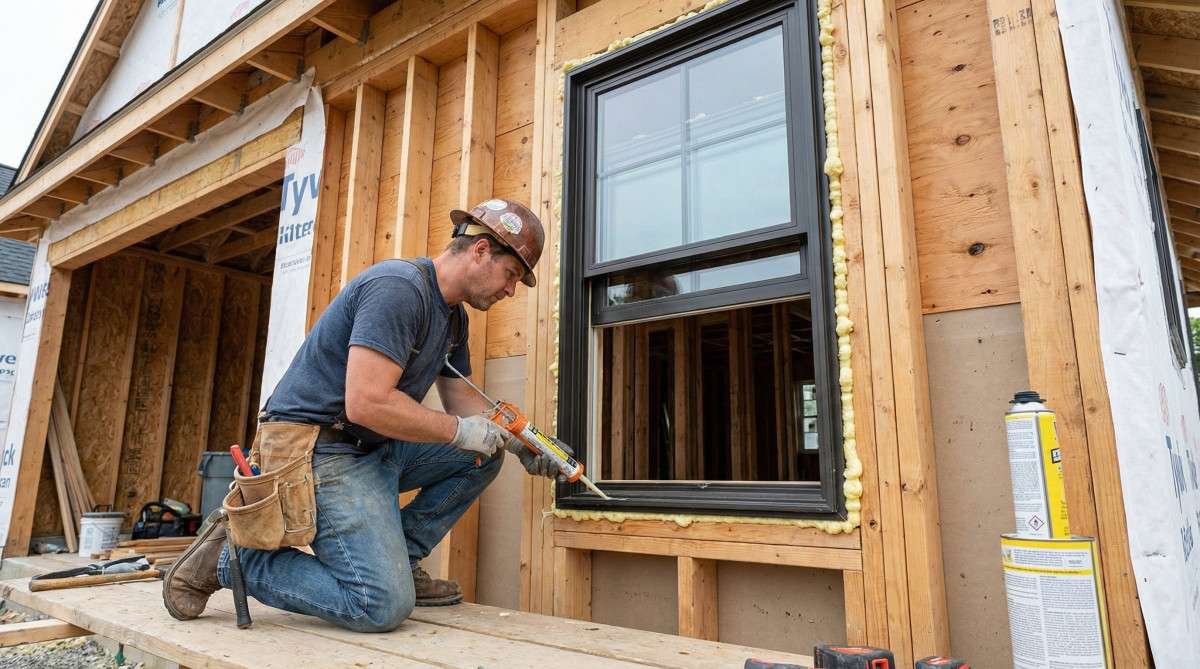
Finally, it is critical to understand that the performance ratings on the NFRC label only apply to the window unit itself, not to how it performs once placed into a wall. The most expensive, high-tech window on the market will fail to save energy if it is installed poorly. Improper installation often leaves microscopic gaps between the window frame and the rough opening of the house, allowing drafts and moisture to bypass the window entirely. Professional installation requires meticulous attention to detail, including the use of high-quality flashing tapes to manage water and low-expansion polyurethane foam to air-seal the perimeter cavity. Ensuring an airtight, watertight installation is the final, essential step in maximizing the return on your investment in energy efficient windows.
Frequently Asked Questions
How much money can energy efficient windows save?
The exact savings depend on your climate, the condition of your old windows, and local utility rates. However, replacing single-pane windows with high-performance, double-pane Low-E windows can typically reduce a household’s annual heating and cooling costs by 12% to 33%.
Do energy efficient windows prevent furniture fading?
Yes, significantly. The Low-E coatings applied to energy efficient windows are designed to block up to 95% of the sun’s damaging ultraviolet (UV) rays. This protection helps preserve the vibrant colors of your hardwood floors, carpets, artwork, and upholstery, extending their lifespan.
What is the lifespan of an energy efficient window?
A high-quality, professionally installed energy efficient window should last between 20 and 25 years. The most common point of failure over time is the seal holding the inert gas between the panes; if this seal breaks, the window will lose a portion of its insulating capability and may show condensation between the glass.
Conclusion
Answer Capsule: Upgrading to energy efficient windows is a strategic investment that yields immediate improvements in indoor comfort, significant long-term reductions in utility costs, and a smaller environmental footprint.
The decision to replace outdated windows with modern, energy efficient models is one of the most effective strategies for improving the overall performance of a residential property. By leveraging advanced technologies such as multi-pane glazing, inert gas fills, and specialized Low-E coatings, homeowners can create a robust thermal barrier that fundamentally changes how their home interacts with the exterior environment. The days of suffering through drafty winters and sweltering, sun-baked summers are entirely preventable with the right fenestration choices.
When navigating the window replacement process, it is imperative to act as an informed consumer. Relying on objective NFRC ratings—specifically the U-Factor and Solar Heat Gain Coefficient—ensures that the selected windows are precisely engineered for your local climate. Furthermore, pairing high-quality window units with superior frame materials like fiberglass or insulated vinyl, and insisting on rigorous, professional installation, guarantees that the system will perform as advertised. Ultimately, energy efficient windows are not merely a cosmetic upgrade; they are a critical component of a sustainable, comfortable, and financially efficient modern home.