Big life events have a habit of arriving all at once. A wedding date is set, a new home needs a deposit, a baby is on the way, or a milestone birthday calls for a proper celebration. Sometimes the money you need is only a few months away, but you need it sooner.
If you are considering a pawnbroker for short-term funds in Birmingham, this guide explains how the process works, what to check before you sign, and how to keep your options open. The aim is simple: help you borrow safely and confidently without overpaying or losing something you care about.
How pawnbroking works in the UK
A pawn loan is money borrowed against an item you own, such as jewellery or a watch. You hand over the item, receive cash, and get it back when you repay the loan plus interest. This is different from selling, where the item is gone for good.
According to MoneyHelper, pawn-loan agreements typically run for six or seven months, and the lender must show both the borrowing rate and the APR. You can usually redeem your item at any point during the term.
What happens if you do not repay depends on the loan size. Government guidance explains that for loans over £75, the pawnbroker must give notice allowing a further 14 days to redeem before the item is sold. For loans of £75 or less on a six-month term, ownership can pass to the pawnbroker at the end of that period. If an item is sold for more than you owe, any surplus should be returned to you.

What to verify before you visit
A short checklist can save a lot of worry. Run through these points before handing over anything valuable.
- FCA regulation. Confirm the firm is authorised and appears on the Financial Conduct Authority’s Financial Services Register. Pawnbroking is regulated consumer credit.
- Trade membership. Look for membership of the National Pawnbrokers Association, which sets a code of conduct for members.
- Transparent pricing. The APR, monthly interest rate, and any minimum charges should be clear before you sign.
- Clear redemption terms. Ask how long you have to redeem and how sale notices work if you fall behind.
- Secure handling. Expect careful handling, private rooms where appropriate, sealed or tamper-evident bags, and proper checks for ID and proof of address.
- Remote options. Check whether you can pay or collect without visiting in person, especially if your item is high in value.
The FCA’s Consumer Duty is also worth knowing about. It has applied to open products and services since 31 July 2023 and to closed products since 31 July 2024, and it requires firms to deliver fair outcomes and clear communications.
Costs, rates, and comparisons
Two figures matter most: the monthly interest rate and the APR. APR is an annualised measure, so it can look large even on a loan you plan to repay in a couple of months. A shorter borrowing period can reduce the total interest you actually pay, even where the headline APR is high.
Published examples vary by firm and item, so treat them as illustrations rather than quotes. Suttons & Robertsons says on its Birmingham page that customers can borrow from £500 for up to six months, up to 75% of resale value, with a maximum APR of 93.21% and a 6.5% monthly rate in its worked example. On a short loan, the monthly rate is usually the number that drives the actual cost, but you should still compare the full written quote.
Other firms publish different numbers. One H&T branch page displays a Representative 165.5% APR for pawnbroking, while Ramsdens lists a Loan APR of 25.31% for its service. These are the firms’ own stated figures. Always ask for a written breakdown for your specific item before agreeing.

Getting a fair valuation
A pawnbroker’s offer reflects what your item could resell for, so presentation matters. Bring the original box, any papers, service records, and receipts where you have them. For jewellery and watches, brand, condition, and current resale demand all feed into the figure.
Getting more than one quote is reasonable and often worthwhile. High-street pawnbrokers and luxury specialists may appraise the same piece differently because they sell to different buyers. A specialist that regularly handles fine watches, for example, may assess a prestige timepiece with more nuance than a general high-street counter.

What options in Birmingham typically look like
Birmingham offers a mix of choices rather than a single obvious route. High-street chains often provide walk-in service alongside retail and currency exchange. Independent pawnbrokers also operate across the city, including around the Jewellery Quarter and the suburbs.
Rather than ranking shops, apply the same checklist to any firm you are considering. Confirm FCA authorisation, read the pricing, and understand the redemption and sale terms. Suttons & Robertsons is another type of option, using appointments and insured delivery rather than relying only on a local storefront.
When a remote or luxury specialist makes sense
If you are dealing with high-value jewellery or watches and prefer a private, from-home process, a UK-wide luxury specialist can be worth considering. For example, Suttons & Robertsons outlines its pawn shop Birmingham service as an option for borrowers who prefer insured courier collection or private appointments instead of a shop visit. The firm states that its head office is in London, but that it offers private appointments in Birmingham, staff collection insured up to £200,000, and a tracked Special Delivery courier service where items are insured in transit up to £20,000 and require a signature on arrival.
These remote services are national options rather than local storefronts, and they tend to suit higher-value items where privacy, documentation, and secure transport matter most.
What to expect on the day
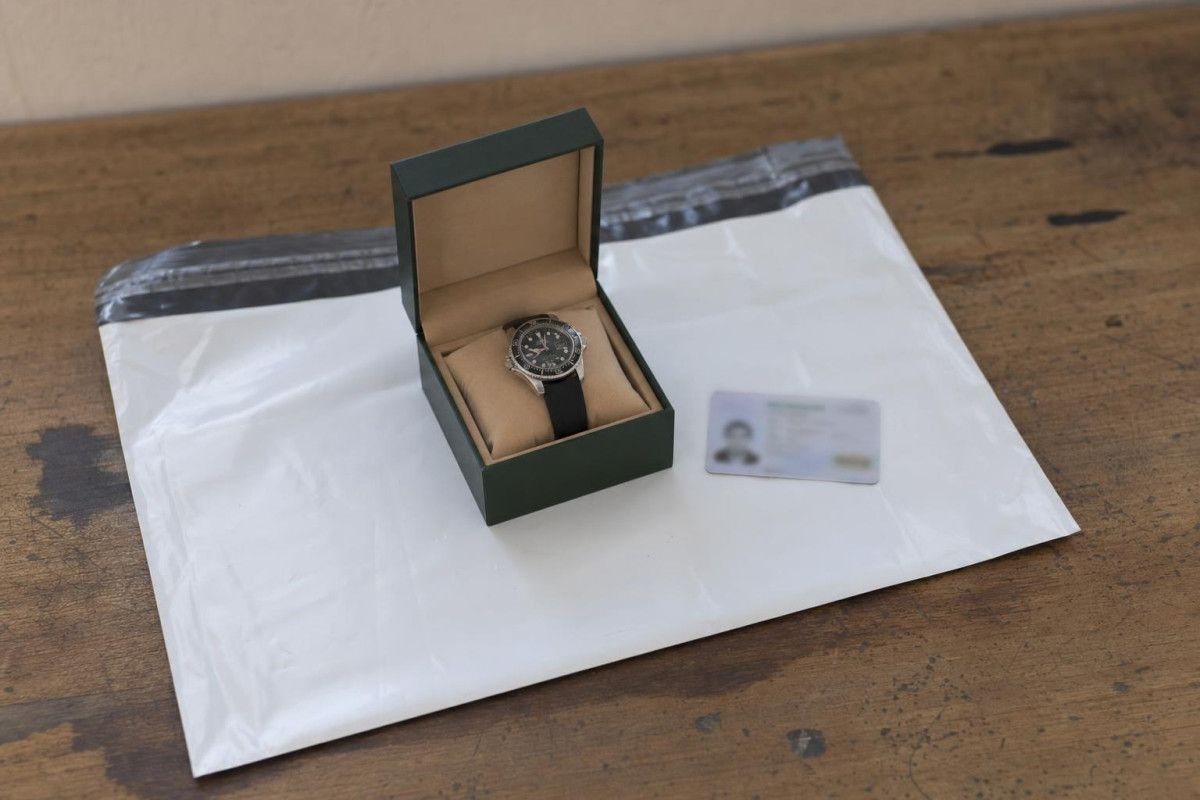
Whether you visit in person or arrange collection, the steps are broadly similar. You will need photo ID and proof of address. The pawnbroker inspects and values your item, then quotes an amount and the terms.
If you accept, you sign the agreement and funds are typically sent by bank transfer, often the same day. Keep your pawn receipt safe, as it is your proof of the pledge and the document you use to redeem the item.
MoneyHelper notes that if you lose the receipt and borrowed more than £75, you may need a statutory declaration to redeem. For loans of £75 or under, a standard form often suffices. For remote arrangements, the item is returned by insured courier once you have repaid.
Know your rights and the red flags
A few protections are worth committing to memory before you sign anything.
- Clear pre-contract information. You should receive the key terms in writing, including the APR, repayment dates, and any minimum charges.
- Sale notices. For loans over £75, expect a notice giving a further 14 days to redeem before sale. For loans of £75 or less on a six-month statutory term, title can pass after six months.
- Your surplus. If your item is sold for more than you owe, the surplus should be returned to you.
- Record keeping. FCA rules for pawnbroking require firms to keep records that include the end date of the redemption period for each pledge.
Be cautious if a firm will not give written terms, avoids questions about authorisation, pressures you to decide immediately, or is unclear about how your item will be stored. Regulation can change over time, so rely on current FCA guidance, MoneyHelper information, and your written agreement rather than older summaries online.
Budgeting for the big moments
Pawnbroking is a form of high-cost, short-term credit, so it is worth weighing against other routes. For planned events, a sinking fund set aside over several months can remove the need to borrow at all. Credit unions often offer smaller, lower-cost loans, and a 0% purchase card can work if you are disciplined about clearing the balance before interest applies.
MoneyHelper and Citizens Advice both publish neutral budgeting tools and guidance that can help you compare options before committing to any one path.
A calm final word
A pawnbroker can be a practical way to raise short-term cash for a celebration or a big change in life. With a few checks on regulation, pricing, and redemption terms, you can choose more confidently, protect your valuables, and keep your plans on track.