

You’ve probably noticed mental health support getting more digital by the year. Between therapy apps, chatbots, and video sessions, it can be hard to tell what’s useful and what’s just clever branding. If you’re curious about AI therapy, you’re not alone. A lot of people want support that feels accessible, affordable, and less intimidating than traditional care, but you also need a clear picture of what AI can actually do well and where it falls short.
What AI Therapy Actually Means
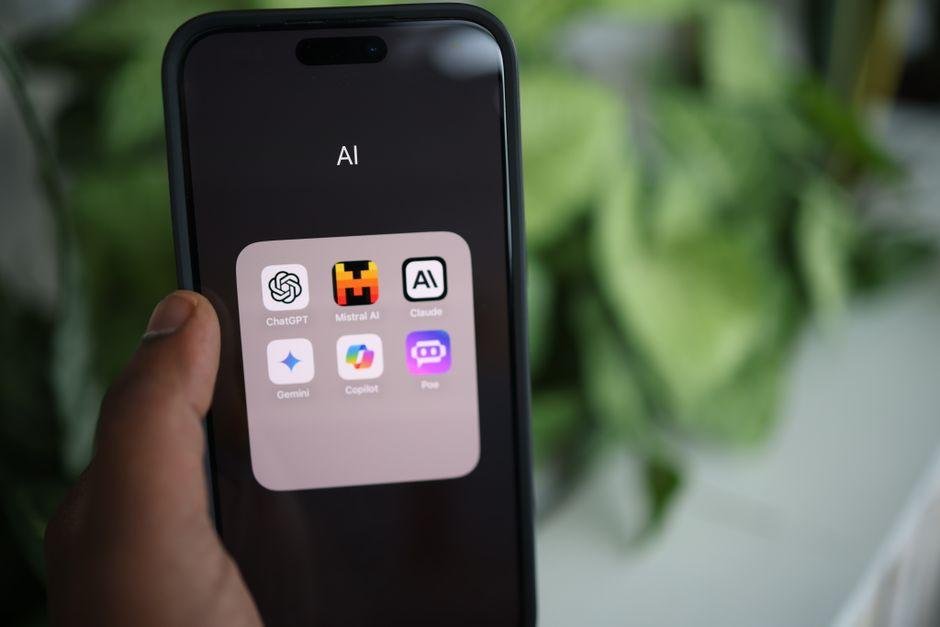
AI therapy usually refers to mental health support delivered through artificial intelligence tools, often in the form of chat-based conversations, guided exercises, mood tracking, or personalized prompts. If you’ve been asking what is AI therapy, the short version is this: it’s not a licensed human therapist in digital disguise. It’s software designed to simulate parts of a supportive therapeutic interaction.
Some tools use principles from cognitive behavioral therapy, or CBT, to help you challenge negative thought patterns. Others focus on journaling, emotional check-ins, or stress management. The tech may feel surprisingly conversational, which can make it easier to open up. Still, “conversational” and “clinically equivalent” are not the same thing. That distinction matters more than the marketing copy usually admits.
Why So Many People Are Interested in It
One big reason AI therapy is gaining attention is convenience. You can use it late at night, during a rough lunch break, or when your brain decides to spiral at 1:13 a.m. Human therapists, reasonably enough, need sleep. AI does not. That always-on access can feel like a relief, especially if you’re dealing with stress, mild anxiety, or emotional overload.
Cost is another factor. Traditional therapy can be expensive, and long waitlists are common in many places. For some people, AI tools create a lower barrier to entry. There’s also less social friction. You don’t have to schedule a first appointment, explain your whole life story immediately, or worry about awkward small talk in a waiting room. For teens and young adults, that reduced pressure can make trying support feel less like a big dramatic event and more like one practical step.
What AI Therapy Can Help You With
AI therapy works best when you use it for structured, lower-risk support. Think stress management, mood tracking, habit building, or working through recurring thought loops. If you tend to catastrophize before exams, overthink texts from friends, or feel your motivation collapse under pressure, an AI tool may help you slow down and sort out what’s happening.
Many platforms are good at offering consistent check-ins. They can prompt you to identify emotions, notice triggers, and test whether your thoughts are facts or assumptions. That kind of repetition can be useful because mental health skills usually improve through practice, not through one dramatic insight worthy of a movie soundtrack. AI can also help you build routines, like journaling for five minutes a day or doing a breathing exercise before bed. Those small actions sound basic, yet they often matter more than people expect.
Where AI Therapy Has Clear Limits
AI therapy has blind spots, and pretending otherwise would be a bad look for everyone involved. It cannot truly understand your tone, history, safety risks, or cultural context the way a skilled human clinician can. It may respond in a way that sounds polished but misses the emotional reality of what you’re saying. Fluent language is not the same thing as real comprehension.
That gap becomes especially important if you’re dealing with trauma, suicidal thoughts, abuse, addiction, severe depression, or a complex mental health condition. In those situations, an AI tool should not be your main source of care. It also can’t diagnose you in the way a licensed professional can, and it can’t make nuanced clinical judgment calls. If your needs are layered, fast-changing, or high stakes, human expertise is not optional. It’s the main event.
How to Tell if a Tool Is Actually Worth Using
Not every app with a calming color palette and soft fonts deserves your trust. Start by checking whether the tool explains its methods clearly. Does it mention evidence-based approaches like CBT or dialectical behavior therapy skills? Does it describe what the AI can and cannot do? Vague promises about “feeling better fast” should make you cautious.
You should also look at privacy. Mental health data is personal in a way that goes well beyond your average shopping app. Read how your conversations are stored, whether data is shared, and what happens if you report a crisis. A useful platform should also explain emergency limitations and encourage real-world support when needed. Bonus points if licensed clinicians helped shape the product. If the tool acts like it can replace all therapy for all people, that’s not innovation. That’s overconfidence wearing a startup hoodie.
When Human Therapy Is the Better Choice
There are plenty of situations where traditional therapy is the stronger option. If you want deep emotional processing, relationship work, trauma treatment, or a formal diagnosis, a licensed therapist gives you nuance that AI cannot replicate. Humans pick up on hesitation, contradiction, humor, avoidance, grief, and all the messy subtext that makes people people.
A therapist can also tailor treatment as your situation changes. Maybe your stress at school is tied to family pressure, identity questions, burnout, or something you haven’t named yet. A good clinician can connect those dots over time. AI tends to be more linear. It can guide, prompt, and reflect, but it doesn’t build a therapeutic alliance in the same way. If you need accountability, careful interpretation, or a space that can hold real complexity, human therapy tends to offer more depth and safety.
How to Use AI Therapy in a Smart, Balanced Way
The most realistic approach is to treat AI therapy as one tool, not the whole toolbox. It can support your mental health routine between therapy sessions, help you track patterns, or give you a structured place to vent when your thoughts are noisy. Used well, it’s like having a steady assistant for emotional maintenance, not a magical fix.
Try setting boundaries around how you use it. You might check in once a day, use it for reflection after stressful events, or save specific coping exercises you find helpful. Pay attention to whether it leaves you feeling calmer and clearer, or just stuck in endless self-analysis. If your distress is getting heavier, your functioning is dropping, or you’re feeling unsafe, step away from the app and reach out to a licensed professional or crisis support right away. Mental health care works best when your tools match the seriousness of your needs.
You Might Also Like...
 Is Gimme Care Legit? Safety Checks for Gimme Sites in 2026
 Konversky: The Complete Guide to AI-Powered Conversational Marketing Success
 FintechZoom NASDAQ: The Complete Guide to Real-Time Trading Insights and Market Intelligence in 2026
 The Anxious-Avoidant Trap: Why Some Couples Keep Breaking Up and Getting Back Together
