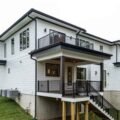
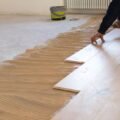
When homeowners decide to invest in a major residential renovation, excitement naturally centers on interior living spaces: open-concept kitchen islands, quartz countertops, spa-like master bathrooms, custom hardwood flooring, and fresh interior paint. However, one of the most expensive and heartbreaking mistakes property owners make during a renovation is spending tens of thousands of dollars on interior luxury finishes while ignoring an aging, vulnerable exterior building envelope.
Bottom Line Up Front: An interior remodel is only as permanent as the roof and exterior drainage protecting it. A single unaddressed roof leak, failing parapet flashing, or poor foundation yard drainage can ruin newly hung drywall, warp hardwood floors, and spawn hidden mold behind brand-new cabinetry within hours. Successful property renovations follow an outside-in sequence, securing the roofing system, gutters, and site drainage before completing interior craftsmanship.

1. The Risk of Inverted Remodeling: Protecting Your Capital Investment
Interior finishes are delicate, porous, and highly susceptible to moisture damage. Drywall, custom cabinetry, particle boards, and hardwood flooring absorb water rapidly, resulting in structural swelling, paint blistering, and biological mold contamination. According to building science data published by the National Association of Home Builders (NAHB) Remodeling Guidelines, moisture intrusion resulting from deferred exterior maintenance is the leading cause of premature interior finish failure, often doubling total renovation costs when post-remodel repairs are required.
Key exterior vulnerabilities that threaten new interior renovations include:
- Aged or Failing Roof Underlayment: Asphalt shingles or tiles past their serviceable lifespan allow wind-driven rain to penetrate wooden roof decking, sending water down wall cavities directly into newly remodeled kitchens and bathrooms.
- Compromised Valley and Chimney Flashings: Metal flashing seals around roof penetrations degrade under intense sun and thermal expansion, creating hidden leak corridors that bypass ceiling insulation.
- Poor Landscape and Yard Drainage: Inadequate yard grading causes rainwater runoff to pool against foundation walls, leading to subterranean slab moisture that buckles expensive hardwood and luxury vinyl plank flooring.
2. The Strategic Phasing of Full-Property Renovation
Experienced general contractors and structural engineers recommend a strict four-phase hierarchy when planning whole-home transformations:
- Phase 1: Structural Weatherproofing (Roof and Drainage): Inspect and repair or replace the roofing assembly (shingle, tile, or TPO flat roof), reseal all flashings, install seamless gutters, and grade surrounding soil away from building foundations.
- Phase 2: Thermal and Building Envelope Integrity: Upgrade exterior stucco or siding, install weather-resistant barriers (WRB), and replace drafty single-pane windows to stabilize interior humidity.
- Phase 3: Mechanical, Electrical, and Plumbing Rough-Ins: Update wiring, reroute plumbing supply lines, and install modern HVAC ductwork while wall cavities remain open.
- Phase 4: Interior Finishes and Final Detailing: Hang drywall, lay custom tile and flooring, mount custom cabinetry, install stone countertops, and apply final paint coatings in a completely dry, weather-tight structure.
Under technical standards from the National Roofing Contractors Association (NRCA) Guidelines, verifying roof watertightness prior to interior work prevents costly project delays, protects manufacturer material warranties, and guarantees long-term durability.
3. Climate Resilience and Thermal Protection
In regions exposed to intense solar heat and temperature swings, exterior weatherproofing extends beyond rain protection to include thermal management. According to research from the Department of Energy Building Technologies Office, installing high-reflectance cool roofs, elastomeric roof coatings, or energy-efficient TPO single-ply membranes reduces attic temperatures by up to 50°F, significantly lowering summer air conditioning loads and protecting new interior plaster from thermal cracking.
As Martin Lopez, co-owner of JM Roofing Construction, a roofing company in El Paso, TX, specializing in roof repair, replacement, and installation, explains, securing the building envelope is the golden rule of home remodeling:
“Homeowners love planning their dream kitchens and modern living rooms, but starting with interior finishes before checking your roof is like building a castle on sand. If your roof has brittle shingles, failing flat-roof seams, or poor yard drainage, a single heavy downpour can destroy thousands of dollars in new drywall, custom cabinets, and flooring in minutes. We always advise clients to secure their roof, gutters, and exterior weatherproofing first. Once your home has a watertight shield over it, your interior remodel is protected for decades.”
4. Frequently Asked Questions (Roofing and Home Remodeling)
Should I replace my roof before or after remodeling my kitchen and bathrooms?
You should always inspect and repair or replace your roof before finishing interior kitchen and bathroom remodels. Completing heavy roof construction first prevents vibrations from cracking new ceiling drywall and eliminates the risk of rain damaging fresh interior installations.
How does proper yard drainage protect interior home renovations?
Directing roof runoff through downspouts and graded landscape swales at least 6 to 10 feet away from the home prevents water from pooling against foundation slabs, which is the primary cause of warped flooring and moldy baseboards.
Summary Renovation Planning Checklist for Property Owners
- Start with a Complete Roof Inspection: Have a licensed contractor assess your shingles, flat roof seams, flashings, and attic decking before finalizing interior design contracts.
- Verify Gutter and Site Drainage: Ensure seamless gutters, downspouts, and landscape grading direct rainwater away from your foundation.
- Coordinate Trades in Logical Order: Complete all heavy exterior demolition and roofing installations before delivering fine cabinetry, tile, and hardwood flooring on site.
- Invest in Energy-Efficient Envelopes: Pair cool roofing membranes and reflective coatings with interior upgrades to maximize long-term energy savings.