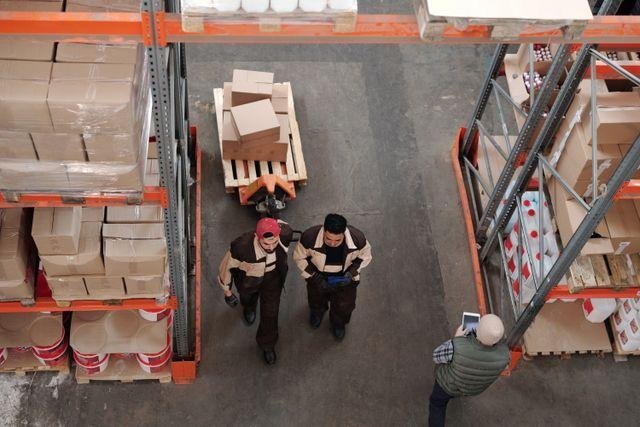
Rapid growth is a great problem to have. Sales shoot up, orders flood your inbox, and your brand finally gets noticed. But behind the excitement, your fulfilment team is usually scrambling. A supply chain built for a small startup will break fast under a heavy workload. If you want to protect your reputation and keep customers coming back, your operations need to evolve just as quickly as your sales. Read on to find out how.
Ditch manual tracking early
Managing stock on basic spreadsheets works fine when you ship ten boxes a day. Once that number turns into hundreds, manual entry becomes a nightmare. You end up with oversold stock, missed shipping windows, and angry emails in your inbox. Upgrading to automated inventory tracking fixes this fast. The software syncs your stock counts across every online store you run in real time. You instantly see what is selling out, what is taking up space, and exactly when to reorder without guessing.
Never rely on a single vendor
Putting all your eggs in one basket is dangerous when scaling up. If your only supplier runs out of raw materials or hits factory delays, your entire pipeline stops cold. It really does pay to spread out your supply line. Partner with a primary manufacturer, but keep a secondary vendor on call, preferably in a different city or country. Having a backup plan lets you shift production immediately if unexpected delays pop up.
Hand off fulfilment to the experts
Trying to store, pack, and ship everything from Australia to Europe yourself gets exhausting fast. Eventually, packing boxes pulls your focus away from product development and marketing, which can lead to delays and unsatisfied end-customers. For growing companies expanding down under, bringing on a local 3pl logistics Australia partner takes that heavy daily weight off your shoulders. Outsourcing your fulfilment gives you instant access to large, fully staffed warehouses and negotiated shipping rates. You only pay for the storage space you actually use, making seasonal sales spikes much easier to handle.
Clean up your warehouse layout
When orders surge, a messy warehouse slows everything down. Staff spend half their shift walking back and forth, hunting for misplaced boxes in crowded aisles. Take time to rethink your physical floor space, and try to:
- Move top-selling items right next to the packing tables.
- Add clear shelf labels so pickers do not second-guess locations.
- Map out one-way picking routes to stop staff from bumping into each other.
Even such minor layout adjustments chop minutes off fulfilment times and keep shipping error rates low.
Create simple rules
Early on, every employee packs boxes their own way. That works for three people, but it causes chaos when you hire ten more to handle a busy season. Write down clear, standard instructions for every task, everything from receiving incoming pallets to taping up outgoing boxes. Train new team members on these exact steps from day one. Clear guidelines eliminate confusion, cut down on mistakes, and ensure every customer receives a neatly packed box every time.
Bring all your sales channels together
Modern customers do not buy from just one place. On the contrary, they often order through your website, mobile apps, social feeds, and online marketplaces. If you log into five different dashboards every morning to print shipping labels, mistakes will happen. Integrating your sales channels into one central hub keeps orders moving without delays. Everything flows into a single dashboard, cutting out manual data entry and helping your team pack orders much faster.
Upgrade your shipping choices
Slow delivery kills customer loyalty. Shoppers expect quick turnaround times, and long delays push them straight toward competitors. Negotiate better shipping terms with regional carriers to get faster service at lower rates. Give customers clear options at checkout such as express delivery, standard shipping, or local pickup, which gives them control over their delivery experience while keeping your brand competitive.
Make returns quick and painless
As sales jump, the volume of return packages goes up too. A slow, confusing return process ruins the customer experience and hurts your repeat business.
Build an easy reverse-logistics system. Put straightforward return steps on your website, email printable return labels, and inspect returned inventory quickly so it can go back on the shelf. A smooth return process builds long-term trust with your buyers.
Preparing for future growth
In the end, growth rarely moves in a straight line. Viral social posts, flash sales, and holiday shopping sprees can double your order volume overnight, putting your supply chain to the ultimate test. By analysing past sales data, stocking up before big promotions, and staying proactive with your logistics partners, you can easily turn sudden sales spikes into long-term success.