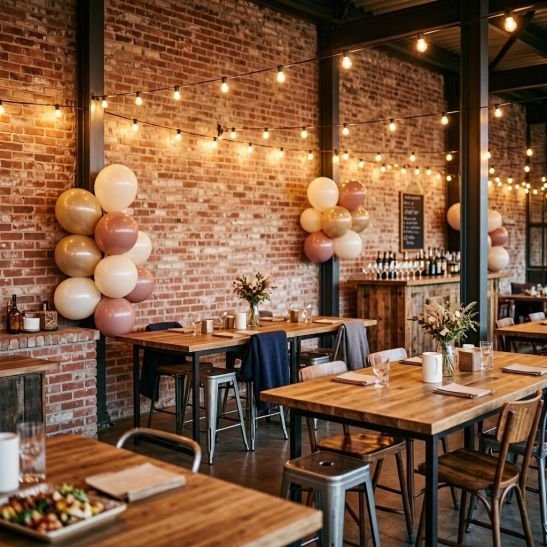
Planning a memorable celebration often means searching for unique venues beyond traditional rental banquet halls. Empty retail storefronts in downtown shopping districts offer flexible open layouts, industrial character, and exciting blank canvases for temporary birthday bashes, pop-up dinners, and milestone parties.
Transforming a vacant commercial retail property into an event space gives party hosts total creative control over theme, lighting, and layout. Understanding how short-term space agreements work helps party event organizers protect their event budget while ensuring a smooth, safe, and stress-free guest experience.
Navigating Contracts Insurance and Temporary Venue Permits
Short-term use agreements differ significantly from traditional multi-year commercial leases. Rather than locking you into long financial commitments, landlords issue temporary license agreements that grant short-term access for specific event dates. These contracts typically include indemnity and hold-harmless clauses, meaning party hosts assume legal responsibility for guest safety and property care during temporary event occupancy.
Before committing to a space, reviewing temporary use terms and build-out limits prevents unexpected security deposit forfeitures. Securing expert legal help for commercial real estate lawyer contract reviews ensures damage clauses, cleanup rules, and deposit terms are fair. As noted in reports on short-term retail spaces, flexible license agreements allow organizers to host events without multi-year leasing obligations.
Most commercial property owners require hosts to carry temporary general liability insurance before granting venue keys. Landlords typically request a certificate of insurance listing them as an additional insured to cover potential accidental damages. Based on guidelines on commercial venue hosting, securing standard short-term one-day event liability policies protects party budgets against unexpected liability claims.
Pop Up Party Spaces in Empty Shops Explained with Safety Tips
Finding vacant retail spaces starts by connecting with knowledgeable local commercial real estate brokers or online pop-up listing platforms. When touring prospective storefronts, ask retail property owners about maximum occupancy limits, restroom capacity, and HVAC performance. Verifying electrical circuit limits ensures DJ sound systems, catering warmers, and specialty party lighting run smoothly without tripping main circuit breakers or interrupting your party celebration.
Temporary decor and setup safety also play a major role in protecting your security deposit. Use freestanding backdrop frames, non-damaging adhesive hooks, and heavy-duty cable covers to protect power cords along high-traffic walkways. According to studies on commercial property safety, completing pre-event walkthroughs and maintaining clear emergency exits prevents accidental damages and ensures host safety compliance.
Transforming empty retail shops into festive celebration venues requires thoughtful planning. Organizers ensure memorable event execution by prioritizing three core venue steps:
- Secure temporary license agreements with commercial property owners
- Obtain event liability insurance naming landlords as additional insureds
- Inspect electrical power limits before setting up party decor
Host Memorable Pop Up Celebrations
Understanding pop up party spaces in empty shops explained helps hosts create unique, memorable celebrations. Pairing short-term license agreements with proper insurance coverage ensures your event runs smoothly and safely.
Planning ahead protects your party budget while giving you freedom to design unforgettable events. Have you hosted a pop-up party in a retail space? Share your tips below.