Patagonia spans roughly 400,000 square miles across southern Chile and Argentina, and that scale is exactly what trips people up when planning a trip there. A vacation to this region isn’t like booking a week in Cancún — distances between highlights like Torres del Paine and El Chaltén can mean full days of travel, and weather can shift a itinerary overnight. Getting the logistics right before you leave home makes the difference between a trip that flows and one that feels like a series of missed connections.
Decide Which Side of the Border Fits Your Trip
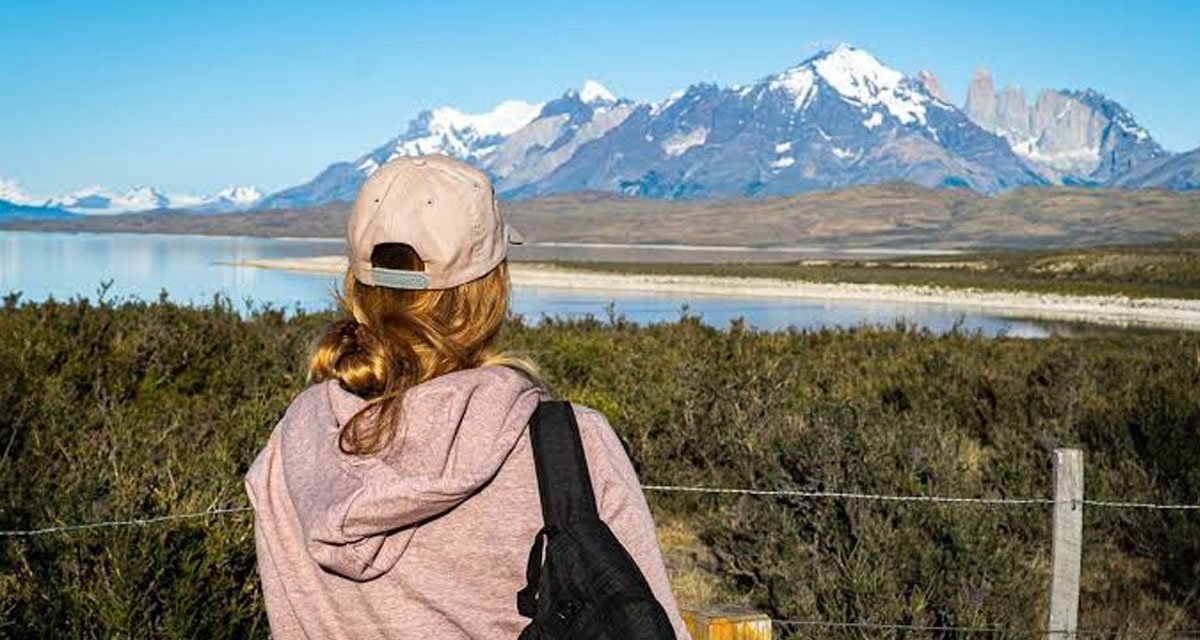
Chilean Patagonia centers on Torres del Paine National Park, with its granite towers, turquoise lakes, and well-developed network of lodges and trails. Argentine Patagonia offers El Chaltén for hiking near Mount Fitz Roy, El Calafate as a base for the Perito Moreno Glacier, and Ushuaia at the southern tip near Tierra del Fuego.
Many travelers try to combine both sides, which is doable but requires careful routing since border crossings between the two countries in this region are limited and can add hours to a travel day. If you have less than 10 days, picking one country and going deep tends to work better than skimming both.
Time Your Trip to the Season You Want
Patagonia’s summer, from December through February, brings the longest daylight hours and the most stable hiking weather, but it’s also peak season with crowded trails and higher prices at lodges near Torres del Paine and El Chaltén. Shoulder months like November and March offer thinner crowds, lower rates, and still-decent weather, though wind can be unpredictable in either direction.
Winter, from June through August, transforms the region into a quieter, colder destination better suited to travelers interested in glacier viewing, stargazing, or a slower pace rather than multi-day treks. Some backcountry refugios and campsites close entirely in winter, so check operating dates before building an itinerary around a specific trail.
Build in Realistic Travel Time Between Regions
Flights into Patagonia typically route through Santiago (for Chile) or Buenos Aires (for Argentina), with connecting flights to regional airports like Punta Arenas, El Calafate, or Ushuaia. Those connecting flights often run once or twice a day, so missing one can cost you a full day.
Once on the ground, distances remain significant — the drive from Punta Arenas to Torres del Paine takes about three hours, and from El Calafate to El Chaltén runs closer to three and a half. Pad your itinerary with buffer days rather than scheduling back-to-back activities across different towns, especially if unpredictable weather could delay a flight or close a mountain pass.
Choose Accommodations That Match Your Travel Style
Options range from basic refugios along the W Trek in Torres del Paine to full-service estancias that put you on a working sheep ranch with home-cooked meals included. Mid-range lodges near El Chaltén and Puerto Natales offer comfortable rooms and organized excursions without the price tag of the region’s most exclusive properties.
For travelers who want a fully planned experience with private guides, curated wildlife excursions, and stays at some of the region’s most distinctive lodges, Patagonia luxury tours can simplify a trip that would otherwise require juggling multiple bookings and transfers on your own. These packages typically bundle transportation between regions, which removes one of the biggest planning headaches in an area this spread out.
Pack for Four Seasons in One Day
Patagonian weather is famous for changing fast, with wind gusts that can exceed 60 miles per hour even in summer. Layering matters more than any single piece of gear — a base layer, an insulated mid-layer, and a genuinely waterproof and windproof outer shell will cover most conditions.
Sturdy waterproof hiking boots are worth the investment if you’re planning multi-day treks, and a daypack with a rain cover will save you from soaked electronics and snacks. Sunglasses and sunscreen matter too, since the thin atmosphere at these latitudes means stronger UV exposure than the temperature might suggest.
Reserve Key Permits and Trails Early
Popular multi-day treks like the W Trek and O Circuit in Torres del Paine require reservations for campsites and refugios, and these can sell out four to six months ahead during peak season. Argentina’s trails around El Chaltén are generally free and unregulated, but transportation and lodging in town still fill up fast in January and February.
If a specific hike is the centerpiece of your trip, lock in those reservations before booking flights, since availability on the trail is often tighter than availability on the plane.
Planning a Patagonia trip well means accepting that this is a region defined by distance and weather, not a destination you can improvise your way through. Build extra days into the itinerary, book trail permits before anything else, and match your accommodation choice to how much logistics you actually want to handle yourself. Get those three decisions right, and the rest of the trip tends to fall into place.