Sturgeon Falls sits along the northeast shore of Lake Nipissing, about a 25-minute drive from North Bay in Ontario’s West Nipissing region. It’s the kind of town travelers pass through on their way to Sudbury or Northern Ontario’s cottage country, then wish they’d stopped longer once they see what’s actually there. Between the lake access, the walking trails, and a downtown that still has the feel of a working small town rather than a tourist strip, Sturgeon Falls rewards a slower visit.
Getting Oriented in Town
Start with Sturgeon Falls’ main strip along King Street, where most of the local shops, diners, and services are clustered. The town was built around the timber and pulp industry, and some of that history is still visible in the older brick buildings downtown. Parking is easy and free almost everywhere, which makes it simple to walk the core area in an hour or two before heading to the water.
The Fields of Nipissing First Nation borders the town, and several local businesses and cultural sites reflect that shared history. Look for interpretive signage near the waterfront that explains the area’s Indigenous and settler past. It’s a quick way to understand why the town sits where it does, right at the mouth of the Sturgeon River.
Time on Lake Nipissing
Lake Nipissing is the fourth-largest lake entirely within Ontario, and Sturgeon Falls gives you one of the more accessible points of entry. Champlain Park, right on the waterfront, has a sandy beach, a boat launch, and picnic shelters that get busy on summer weekends but never feel overcrowded. The water here is shallow near shore, which makes it a reasonable spot for families with younger kids who want to wade in before committing to a swim.
Anglers know Lake Nipissing for walleye, and the fall walleye run in particular draws people from well outside the region. Perch and bass are common catches too, and several local outfitters rent boats or offer guided trips if you don’t have your own equipment. Ice fishing huts appear on the lake by mid-December most years, turning the same water into a winter destination.
The Sturgeon River Trail System
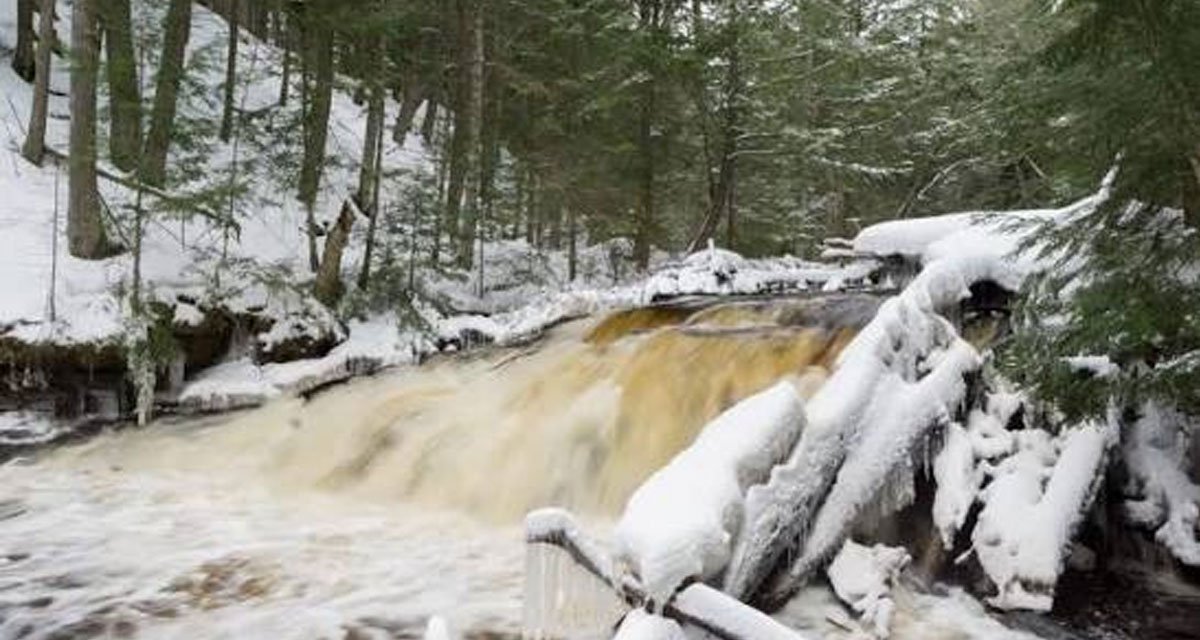
The Sturgeon River winds through town and feeds a network of walking and cycling trails that locals use year-round. The trail along the river near downtown is paved for a good stretch, flat, and manageable for almost any fitness level. It connects to Duchesnay Falls, a small but genuinely scenic waterfall about ten minutes from the town center.
Duchesnay Falls has a short loop trail with a couple of viewing platforms, and it’s an easy add-on if you’re already exploring the river trail. Fall colors here run from late September through early October, and the falls area is one of the better spots in the region to catch them without driving far. Bring proper shoes, since parts of the trail near the falls get rocky and uneven.
Finding a Place to Stay
Sturgeon Falls doesn’t have a dense hotel strip, which pushes a lot of visitors toward other options, and that’s turned out to work in the town’s favor. Several properties near the lake and river operate as short-term rentals, giving travelers more space and often a kitchen, which matters if you’re staying more than a couple of nights. Sturgeon Falls cabin rentals give visitors a comfortable, well-located base for exploring the lake and trails without needing to drive back and forth from North Bay. Many of these cabins sit close enough to the water that you can walk down for an early morning look at the lake before the day gets busy.
Booking ahead matters most in July and August, when demand from anglers, boaters, and families peaks. Shoulder seasons in May, June, and September tend to have more availability and lower rates, plus fewer bugs than peak summer.
Local Food and Small-Town Stops
Sturgeon Falls has a handful of diners and bakeries that locals actually use, not just tourist-facing cafes. Look for spots serving poutine and hearty breakfast plates, standard fare in this part of Ontario but done well here. A few bakeries in town are known for butter tarts, a good thing to pick up before a day on the trails or the lake.
The town also hosts a farmers market during summer months, usually running weekly with produce, baked goods, and crafts from the surrounding area. It’s a good way to get a feel for the community beyond the main tourist points, and prices tend to be lower than what you’d find at bigger markets in North Bay or Sudbury.
Practical Notes for Visitors
Cell service is generally reliable in town but can weaken near Duchesnay Falls and further out on the lake, so download maps ahead of time if you’re driving unfamiliar roads. Winters are cold and snowy, typical for Northern Ontario, so pack accordingly if visiting between November and March. Highway 17 connects Sturgeon Falls directly to North Bay and Sudbury, making it a straightforward stop if you’re already road-tripping through the region.
The real value of Sturgeon Falls is how much fits into a small footprint: a lake, a river, a waterfall, and a walkable downtown, all within a few minutes of each other. Plan for at least a two-night stay if possible, since a single day rushes past the trails and the lake without giving either the time they deserve.