A comfortable mattress can make a noticeable difference to your sleep experience. If you often wake up feeling uncomfortable, struggle with pressure around your shoulders or hips, or feel too warm during the night, your mattress may be part of the problem. This is why many sleepers are exploring mattresses that combine different materials instead of relying on a single construction.
A hybrid mattress combines a spring-based support system with comfort layers, usually made from foam. This combination is designed to offer the responsiveness of springs alongside the cushioning of foam. But can this type of mattress actually help you sleep better? It depends on your sleeping position, comfort preferences, and the specific design you choose.
What Is a Hybrid Mattress?
Unlike a traditional innerspring mattress, a hybrid design generally includes several layers. Springs provide the underlying support, while foam layers above them help cushion the body.
This combination can create a balanced feel. The springs can make it easier to move and change positions, while the comfort layers help reduce pressure on areas such as the shoulders and hips.
Because manufacturers use different spring systems and foam materials, not every model feels the same. When shopping, it is important to consider the complete construction rather than choosing a mattress simply because it is described as a hybrid.
How Can Hybrid Mattresses Support Better Sleep?
A hybrid mattress can support better sleep by combining the responsiveness of coils with the cushioning of foam. Depending on its construction, it can offer several benefits:
Better support: Look for a well-designed coil system, such as individually wrapped pocket coils, that provides consistent support across the body. Responsive coils can adapt to movement while providing a stable foundation for different sleeping positions.
Pressure relief: Comfort layers made from materials such as memory foam can conform to the body and cushion pressure-prone areas like the shoulders and hips. This can be particularly beneficial for side sleepers who need more cushioning around these areas.
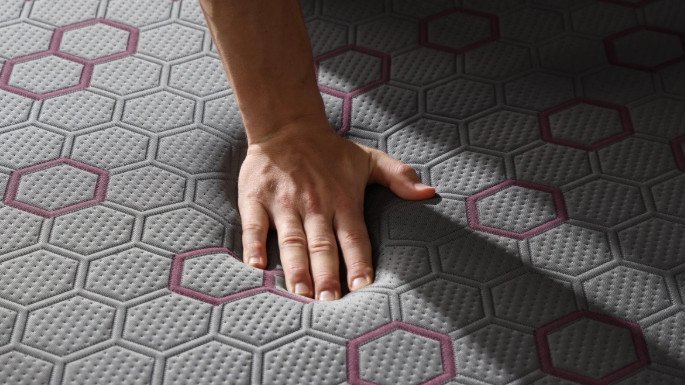
The mattress surface is designed to provide cushioning and pressure relief.
Less motion transfer: Individually responsive coils can move more independently, while foam layers can absorb some surface movement. This combination can help reduce motion transfer, although performance varies by design.
Better temperature regulation: Look for breathable covers, open-cell foam, and airflow-supporting construction to help dissipate heat. Some hybrid mattresses also use specialized cooling materials, such as phase-change materials (PCM), to provide additional temperature regulation.
However, not every hybrid mattress provides the same sleep experience. The type of coils, foam materials, firmness, and overall construction can all affect how well a mattress delivers these benefits.
Potential Drawbacks of a Hybrid Mattress
Although hybrid mattresses can offer a good balance of support and comfort, they also have some potential drawbacks worth considering.
One consideration is price. Since hybrid mattresses combine coils with multiple comfort layers, they can be more expensive than simpler foam or innerspring models. They can also be heavier, which may make moving or rotating the mattress more difficult.
Temperature regulation can also vary. While coils can promote airflow, a hybrid mattress is not necessarily cool by design. Thick foam layers or heat-retaining materials may still cause some models to feel warm.
Another consideration is feel and motion transfer. Hybrid mattresses can vary significantly in firmness and responsiveness depending on their construction. Some highly responsive models may also transfer more movement than an all-foam mattress, which could be noticeable for couples.
For these reasons, it is important to look beyond the word hybrid and consider the mattress’s specific materials, construction, firmness, and cooling features before buying.
SLEEPMAX Podium: Support, Comfort, and Cooling
The SLEEPMAX Podium cooling hybrid mattress combines a responsive spring system with comfort layers and cooling-focused materials to create a balanced sleep surface.
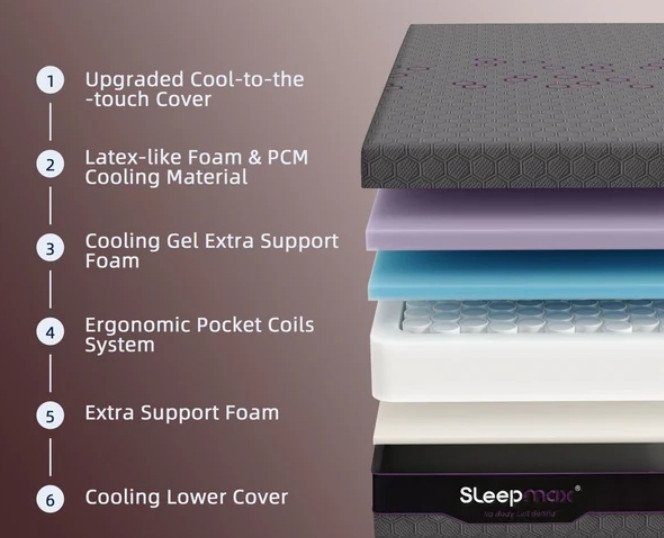
SLEEPMAX Podium mattress layers, including cooling materials, foam, and pocket coils.
Its cool-to-the-touch cover, temperature-balancing PCM, and cooling materials are designed to help manage heat throughout the night. The hybrid construction also allows airflow through the coil system, which can further support a cooler sleep environment.
For support, the Podium features Honeycomb-inspired Matrix Springs designed to provide balanced, responsive support across the mattress. The comfort foam layers add cushioning and pressure relief, helping create a balance between a supportive foundation and a more comfortable surface.
For couples, the combination of responsive springs and comfort layers is also designed to help reduce motion transfer, so movement on one side of the mattress is less likely to disturb the other sleeper.
SLEEPMAX also offers a 365-night trial, giving sleepers plenty of time to experience the mattress at home and decide whether its comfort, support, and cooling features suit their needs.
What Should You Consider Before Buying?
Before choosing a hybrid mattress, consider how you sleep, your body type, and what you need from your mattress. Here are key factors to consider:
1. Choose firmness based on your sleeping position and weight. Side sleepers generally need more cushioning for their shoulders and hips, so a medium-soft to medium mattress can be a good starting point. Back sleepers usually need a balance of cushioning and support, making medium to medium-firm a common choice. Stomach sleepers generally need more support to prevent the midsection from sinking, so medium-firm to firm may be more suitable. Heavier sleepers may need a firmer option, while lighter sleepers may prefer more cushioning.
2. Look for the right type of support. If you need stronger support, pay attention to the coil system rather than simply choosing a “firm” mattress. Individually wrapped pocket coils can respond independently to your body and provide more targeted support, while a supportive comfort layer can help prevent excessive sinkage.
3. Match the comfort layers to your pressure points. If you sleep on your side or frequently feel pressure around your shoulders and hips, look for memory foam, latex, or other contouring materials that can cushion these areas. If you prefer a less conforming feel, choose thinner or more responsive comfort layers.
4. Consider motion isolation if you share the bed. For couples, look for individually responsive coils combined with foam or other motion-absorbing materials. This construction can help prevent movement on one side from traveling too far across the mattress.
5. Choose cooling features based on how hot you sleep. If you tend to sleep hot, don’t assume that any hybrid mattress will keep you cool. Look for a breathable cover, open-cell or cooling foam, airflow through the coil system, or temperature-balancing materials such as PCM.
6. Consider edge support if you use the full mattress surface. Couples and people who sleep near the edge should look for reinforced or high-density edge construction. Stronger edges can make the usable sleep surface feel larger and provide more stability when getting in and out of bed.
7. Choose the size according to your sleeping habits. A Queen can work well for couples who mainly stay on their own side, while a King provides more personal space for people who move frequently or prefer more room. If children or pets regularly share the bed, additional sleeping space may also be worth considering.
8. Check the trial period before buying online. Even if a mattress matches your preferred firmness and construction, you won’t know how it feels after several nights until you actually sleep on it. A longer at-home trial, such as the 365-night trial from Sleepmax, gives you more time to determine whether the support, pressure relief, motion isolation, and temperature regulation work for you.
Final Thoughts
A hybrid design can be a practical option for sleepers who want both support and cushioning. By combining springs with comfort materials, it can offer responsiveness while helping reduce pressure at the surface.
The SLEEPMAX Podium cooling hybrid mattress adds temperature-focused features to this approach, including a cool-to-the-touch cover, temperature-balancing PCM, and cooling and airflow-supporting materials. Its Honeycomb-inspired Matrix Springs provide balanced support and responsiveness, while the comfort foam layers are designed for cushioning and pressure relief.
If you are looking for a mattress that brings together support, comfort, and temperature management, a hybrid mattress may be worth considering for your next sleep setup.