Wildlife in your home is stressful and potentially dangerous. Raccoons in the attic, squirrels in the walls, or bats in the chimney require professional removal. Choosing the right wildlife removal company is critical for safe, humane, and effective service. Here is how to evaluate wildlife removal reviews and choose the best company for your situation.
Wildlife removal costs $200 to $1,500 depending on the animal type, the location in your home, and the complexity of the removal. Raccoon removal costs $300 to $600. Squirrel removal costs $200 to $500. Bat removal costs $500 to $1,500. Bird removal costs $200 to $400. The cost includes inspection, removal, exclusion, and cleanup in most cases.
What to Look for in Wildlife Removal Reviews
When reading wildlife removal reviews, focus on several key factors that indicate a quality company. Look for reviews that mention humane removal methods, thorough exclusion work, and cleanup services. The best companies do not just remove the animal. They also seal entry points and clean up contamination left behind by the wildlife in your home.
Check for reviews that mention response time. Wildlife emergencies need prompt attention. A good company responds within 24 hours for urgent situations like animals trapped inside the living areas of your home. Reviews that mention quick response times indicate a company that prioritizes customer service and understands the urgency of wildlife problems.
Look for reviews that discuss the warranty or guarantee. Reputable wildlife removal companies offer a warranty on their exclusion work, typically 1 to 5 years. The warranty covers the cost of returning if animals re-enter through the same entry point after the work is complete. A company that offers a strong warranty is confident in their work quality and exclusion methods.
Red Flags in Wildlife Removal Reviews
Several red flags in wildlife removal reviews should make you look for another company. Reviews that mention trapped animals being left to die inside walls or attics indicate inhumane practices. Reputable companies remove animals humanely and do not leave carcasses to decompose inside the structure of your home.
Reviews that mention damage caused by the removal company are another red flag. A professional wildlife removal company should cause no damage to your home during the removal process. If reviews mention damaged siding, roofing, or interior walls, the company is not following proper removal procedures for the animals.
Reviews that mention incomplete work or animals returning soon after treatment are a warning sign. Proper wildlife removal includes exclusion work to prevent re-entry. If animals return within weeks of the treatment, the exclusion work was not thorough. Look for companies with reviews that mention long-term results and lasting solutions.
| Animal | Removal cost | Common entry points | Signs of infestation |
| Raccoons | $300 to $600 | Attics, chimneys, vents | Noises at night, damaged vents |
| Squirrels | $200 to $500 | Attics, soffits, eaves | Scratching in walls, droppings |
| Bats | $500 to $1,500 | Attics, chimneys, roof gaps | Droppings piles, guano odor |
| Birds | $200 to $400 | Roof vents, chimneys | Nests, droppings, chirping |
| Groundhogs | $200 to $500 | Under decks, foundations | Burrows, damaged plants |
Questions to Ask Before Hiring
Before hiring a wildlife removal company, ask specific questions about their methods, licensing, and warranty. A professional company will answer your questions clearly and provide documentation of their credentials. The following questions help you evaluate whether the company is the right choice for your specific wildlife problem.
Ask about their removal methods. Do they use live traps, one-way doors, or exclusion techniques? Live trapping is common for raccoons and groundhogs. One-way doors allow animals to leave but not re-enter and are used for squirrels and bats. Exclusion alone is sometimes sufficient for birds and minor infestations of some species.
Ask about their license and insurance. Wildlife removal is regulated in most states. The company should have a state wildlife control license and liability insurance. Also ask about their experience with the specific animal you are dealing with. Different animals require different removal techniques and exclusion methods for effective long-term results.
- What removal methods do you use for this animal?
- Are you licensed and insured for wildlife removal?
- Do you offer a warranty on exclusion work?
- How long have you been in business?
- Can you provide references from similar jobs?
What to Expect from Professional Service
A professional wildlife removal service includes several steps. The first step is a thorough inspection of your property to identify the animal species, entry points, and the extent of the infestation. The inspector checks the attic, crawl space, exterior walls, roof, and foundation for signs of wildlife activity and damage.
The second step is the removal of the animals using humane methods appropriate for the species. The removal may involve one-way doors, live traps, or exclusion techniques that seal the animals out of your home. The removal process takes 1 to 14 days depending on the species and the size of the infestation in your home.
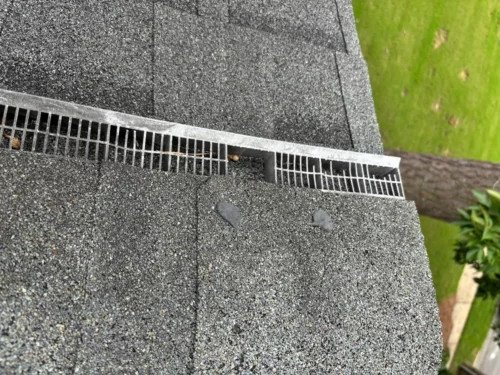
The third step is exclusion work to seal all entry points and prevent future infestations. Exclusion involves repairing damaged vents, sealing gaps in the roof and foundation, and installing chimney caps. The final step is cleanup and restoration, which includes removing droppings, replacing contaminated insulation, and deodorizing the affected areas of your home.
A wildlife removal specialist with 18 years of experience said: “The most common mistake homeowners make is waiting too long to call for help. Wildlife damage gets worse quickly. A small hole in the soffit becomes a large hole as the animal enlarges the entry point. Droppings accumulate and create health hazards. The cost of wildlife removal increases the longer you wait. Call for an inspection as soon as you suspect wildlife activity in your home.”
Frequently Asked Questions
How do I choose the best wildlife removal company?
Check reviews for humane methods and good warranties. Look for licensed companies. Compare multiple quotes.
How much does wildlife removal cost?
Wildlife removal costs $200 to $1,500. Raccoons $300 to $600. Squirrels $200 to $500. Bats $500 to $1,500.
Is wildlife removal humane?
Professional removal uses humane methods like live traps. Animals are released in appropriate habitats.
Do wildlife removal companies offer a warranty?
Yes, reputable companies offer 1 to 5 year warranties o. Covers re-entry through the same point.
Can I remove wildlife myself?
DIY removal is not recommended. Wildlife can be dangerous when cornered. Professional removal is safer.
How long does wildlife removal take?
Simple removals take 1 to 3 days. Complex bat infestations can take 1 to 2 weeks for complete exclusion.
Does homeowners insurance cover wildlife removal?
Most policies do not cover removal. Some cover damage caused by the animals. Check your policy for specific coverage.
How do I prevent wildlife from returning?
Seal entry points and install chimney caps. Trim branches, secure trash, and remove food sources to prevent wildlife from returning.
Professional assistance and proper prevention methods provide the best protection for your home and family. Taking action early prevents small problems from becoming major infestations that are more difficult and expensive to resolve over time.
Taking the right approach to pest and wildlife problems protects your home and family. Professional guidance and proper prevention methods provide the best long-term results for your specific situation and needs.
Whether you choose DIY methods or professional help, addressing problems promptly prevents them from becoming more serious and expensive to resolve. Early intervention is always the most cost-effective approach for any home issue.