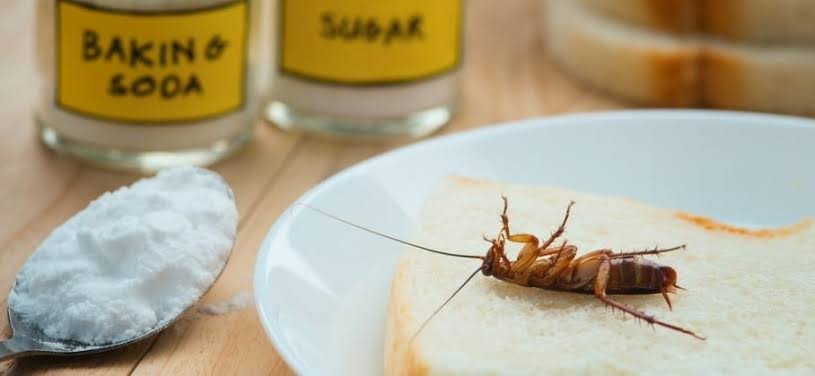
Cockroaches are among the most resilient household pests, and getting rid of them requires a comprehensive approach. These pests spread bacteria, trigger allergies, and multiply quickly if not controlled. Here is a complete guide on cockroaches how to get rid of them effectively and prevent their return.
Cockroach treatment costs $100 to $500 for professional pest control. DIY treatment costs $20 to $100 for baits, traps, and insecticides. The cost depends on the severity of the infestation and the size of the home. German cockroaches are the most common indoor species and require the most aggressive treatment approach for elimination.
Identifying the Cockroach Species
Different cockroach species require different treatment methods. German cockroaches are light brown with two dark stripes on the back and are the most common indoor species. They are small, about 1/2 to 5/8 inch long, and prefer warm, humid areas like kitchens and bathrooms. German cockroaches reproduce rapidly and require thorough treatment to eliminate the infestation.
American cockroaches are large, about 1.5 inches long, reddish-brown, and prefer dark, moist areas like basements, drains, and crawl spaces. Oriental cockroaches are dark brown to black, about 1 inch long, and prefer cool, damp areas. Brown-banded cockroaches are small, about 1/2 inch long, and prefer warm, dry areas like living rooms and bedrooms.
Identifying the species helps you target the treatment. German cockroaches need bait and spray treatment in kitchens and bathrooms. American cockroaches need drain treatment and sealing of entry points. Oriental cockroaches need moisture control and perimeter treatment. Brown-banded cockroaches need treatment in living areas and bedrooms.
Using Cockroach Baits
Cockroach baits are the most effective DIY treatment option. The bait contains a slow-acting poison that cockroaches eat and carry back to their hiding places. Other cockroaches eat the feces and dead bodies of poisoned roaches, spreading the poison through the colony. Baits eliminate the entire infestation over time rather than just killing the cockroaches you see.
Place bait stations in areas where cockroaches are active. Kitchens need baits under the refrigerator, stove, sink, and behind cabinets. Bathrooms need baits under the sink and behind the toilet. Apply gel baits in cracks and crevices where cockroaches hide. Replace baits according to the manufacturer schedule until activity stops completely for at least two weeks.
Do not use spray insecticides near baits. The spray repels cockroaches and prevents them from taking the bait. Remove competing food sources by cleaning up crumbs, storing food in sealed containers, and taking out the trash regularly. The baits work best when food competition is minimized and the cockroaches are forced to eat the bait.
Cleaning and Sanitation
Sanitation is the foundation of cockroach control. Cockroaches need food, water, and shelter to survive. Eliminating these resources makes your home less attractive to cockroaches and makes treatments more effective. Clean up food spills immediately. Do not leave dirty dishes in the sink overnight. Store food in airtight containers. Keep counters and floors free of crumbs and grease.
Fix leaky faucets and pipes that provide water for cockroaches. Cockroaches can survive only a few days without water. Eliminating water sources forces them to seek water, which increases their exposure to baits. Dry up moisture in basements, crawl spaces, and under sinks. Ventilate humid areas like bathrooms to reduce moisture that attracts cockroaches.
Reduce hiding places by decluttering your home. Cockroaches hide in cardboard boxes, paper bags, and clutter. Remove stacks of newspapers, magazines, and cardboard boxes. Seal cracks and crevices in walls, cabinets, and baseboards with caulk to eliminate hiding places and entry points for cockroaches traveling between units.
Sealing Entry Points
Cockroaches can enter your home through tiny cracks and gaps around pipes, wires, doors, and windows. Sealing these entry points prevents new cockroaches from entering and traps existing cockroaches inside where baits and treatments can eliminate them. Use caulk to seal gaps around pipes and wires entering the home under sinks and behind appliances.
Install door sweeps on exterior doors to prevent cockroaches from crawling under the door. Seal gaps around windows and doors with weatherstripping. Fill cracks in the foundation and exterior walls with expanding foam or mortar. Pay special attention to areas where utility lines enter the home, as these are common entry points for cockroaches and other pests.
A pest control professional with 22 years of experience said: “The most common mistake people make when trying to get rid of cockroaches is using bug spray as the primary treatment. Bug spray kills the cockroaches you see but does nothing to the ones hiding in the walls and cabinets. Baits are much more effective because they eliminate the entire population over time. Spray should only be used as a supplement to baits, not as the main treatment method.”
- Cockroach baits: most effective, slow-acting, colony elimination
- Cleaning: remove food, water, and shelter sources
- Sealing entry points: caulk cracks, install door sweeps
Frequently Asked Questions
What is the best way to get rid of cockroaches?
Use cockroach baits combined with thorough cleaning and . Baits eliminate the entire colony over time. Professional treatment is needed for severe infestations that do not respond to DIY methods.
How much does DIY cockroach treatment cost?
DIY treatment costs $20 to $100 for baits, traps, and in. Professional treatment costs $100 to $500 depending on the infestation size and the treatment method used.
Do natural remedies work for cockroaches?
Natural remedies like boric acid and diatomaceous earth . They work best as part of a comprehensive treatment plan with good sanitation.
How important is cleaning for cockroach control?
Cleaning is essential. Cockroaches need food, water, and shelter. Eliminating these resources makes treatments more effective and prevents reinfestation after the initial treatment is complete.
When should I call a professional for cockroaches?
Call a pro if DIY fails or the infestation is large. Daytime sightings mean a heavy infestation.
How do I prevent cockroaches from coming back?
Maintain good sanitation and seal entry points. Store food in sealed containers and use preventive baits.
What kind of cockroach do I have?
German cockroaches are small and light brown with stripes. American cockroaches are large and reddish-brown. Oriental cockroaches are dark and prefer damp areas. Identify the species for targeted treatment.
Is spray or bait better for cockroaches?
Baits are better because they eliminate the entire colon. Spray kills only the cockroaches you see and does not reach the hidden population. Use baits as the primary treatment and spray as a supplement.
Taking the time to properly address pest problems saves money and prevents recurring issues. Use the information provided to choose the right treatment approach for your specific situation and pest type for the best possible results.
Professional pest control services offer inspection, treatment, and follow-up monitoring to ensure complete elimination of the problem. Many companies offer warranties and service plans that provide peace of mind and ongoing protection against future infestations of pests in your home.
Quality research and proper planning before starting any home improvement or pest control project saves time, money, and frustration. Understanding your options and choosing the right approach for your specific situation leads to the best possible outcome and long-term satisfaction with the results you achieve for your property.
Many homeowners find that combining DIY methods with professional guidance provides the best balance of cost and effectiveness. Start with the steps outlined above and escalate to professional help if the problem persists or is beyond your comfort level for safe and effective treatment of the issue.
Regular maintenance and ongoing prevention efforts keep problems from recurring after treatment is complete. Establish a routine schedule for inspections, cleaning, and preventive treatments to maintain a pest-free home environment throughout the year for your family.
Investing time in proper planning and research before starting your project leads to better results and fewer problems down the road. The information provided here serves as a starting point for making informed decisions about your home improvement and pest control needs. Always consult with qualified professionals for specific advice about your particular situation and circumstances.
Quality treatment and prevention methods effectively protect your home investment and provide complete peace of mind for the entire family members and the entire household living together under one roof at all times together as a complete family unit living there together as one. Work with qualified professionals who use proven techniques and products for the best possible results.