As a homeowner, reliable fuel service supports the safe operation of heating systems and propane-powered equipment in your home. Your propane supplier helps maintain a steady fuel supply while supporting safe installation and system operation. Choosing propane home delivery also reduces interruptions that may occur when fuel levels become low. Here are a few ways your propane supplier supports home safety:
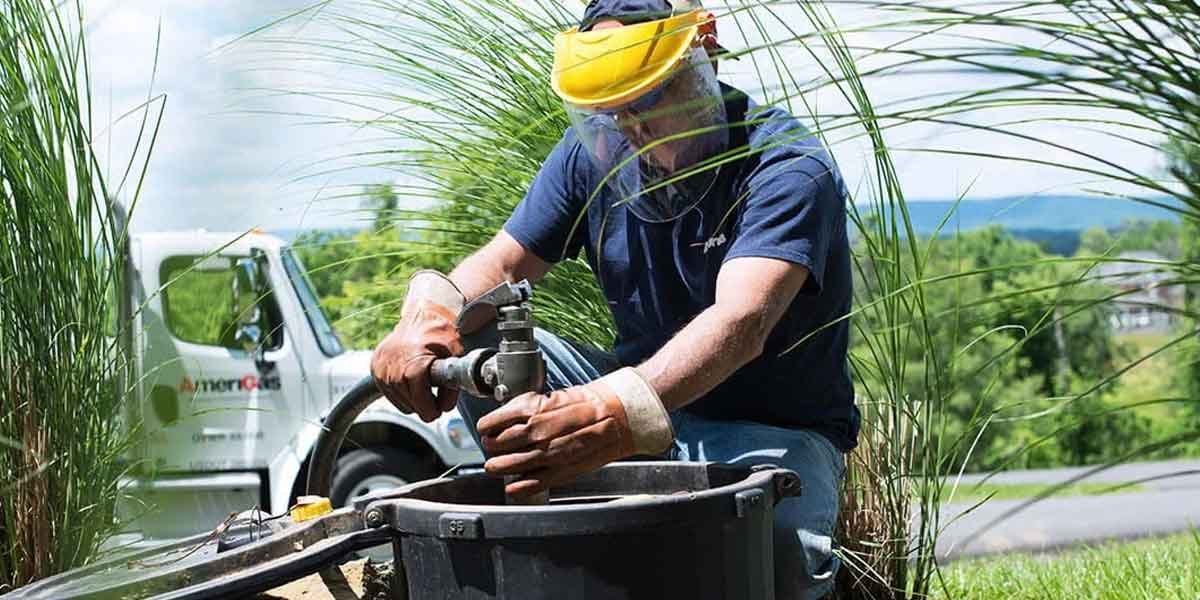
Conduct Regular Tank Inspections
Regular inspections help identify propane system components that require maintenance before they affect normal operation. During an inspection, technicians examine the propane tank, regulator, gas lines, valves, and hoses for signs of wear. Once the inspection is complete, any issues requiring attention are documented before they become larger concerns.
Tank inspections also include checking for corrosion, loose fittings, and physical damage around the propane system. Your regulators, exposed to weather over several years, may require replacement after showing signs of wear. Gas line inspections also help identify damaged connections before propane reaches indoor appliances.
Routine inspections continue throughout the life of the propane system rather than ending after installation. Regular safety checks allow technicians to review components that experience normal wear during regular use. Scheduled inspections also support the safe operation of heating equipment, water heaters, and propane appliances throughout the year.
Focus on Leak Detection
When your propane home delivery service team detects a leak, they take the necessary steps to prevent it from escaping from tanks and gas lines. Your supplier also provides guidance for recognizing the distinctive propane odor and responding appropriately if it is detected. Safety procedures also include explaining how to leave the area before trained technicians arrive to inspect the system. Here are leak detection and emergency support services from your supplier:
- Leak detection procedures: Identify leaks using approved inspection methods and testing equipment.
- Emergency leak reporting: Provide clear steps for reporting suspected propane leaks.
- 24/7 emergency response: Provide access to trained technicians for urgent propane-related situations.
- Emergency shut-off guidance: Explain safe procedures to follow before emergency personnel arrive.
Provide Reliable Installation
Professional installation prepares a propane system before fuel is delivered to your property. Installation includes propane tank placement, appliance connections, pressure testing, and regulator installation using approved procedures. After installation is complete, technicians verify that every connection operates correctly before the system enters regular use.
After installation, your technician will verify if the propane system complies with applicable safety codes. They confirm that the ventilation around the propane appliances is adequate while also maintaining required tank clearances. Before leaving the property, they also explain basic operating procedures, show you how to locate the tank shut-off valve, and answer any questions about using your propane equipment safely.
Promote Education on Safe Usage
Professionals provide practical guidance that helps homeowners understand propane safety and responsible system operation. They explain how to recognize propane gas, use appliances correctly, and follow recommended procedures that reduce unnecessary risks. Propane includes a distinct odorant designed to make leaks easier to identify; this allows concerns to be addressed before they become more serious. Customers also learn to recognize warning signs of a potential propane leak, including unusual odors, hissing sounds near equipment, damaged connections, or changes in appliance performance.
If a leak occurs, proper response steps help limit hazards and protect the home. Turn off the propane supply when it is safe to do so, avoid flames, sparks, and other ignition sources, and contact a qualified professional for assistance. These actions provide a clear approach for handling unexpected situations without increasing the risk of injury or property damage.
Local regulations establish requirements for propane tank placement, minimum clearance areas, and appliance installation standards. Safety guidance also emphasizes maintaining clean, unobstructed spaces around propane equipment. Proper surroundings support reliable operation and easier access during inspections. Following these practices promotes safer propane use throughout the year and helps preserve the integrity of the propane system.
Learn More About Propane Home Delivery
Regular inspections and customer education all contribute to safer propane use at home. Each service focuses on a specific aspect of propane system management, from fuel supply to equipment performance. Propane home delivery helps maintain a consistent fuel supply through scheduled deliveries and tank monitoring. Contact a propane supplier today to learn more about home delivery and the safety services available for your home.