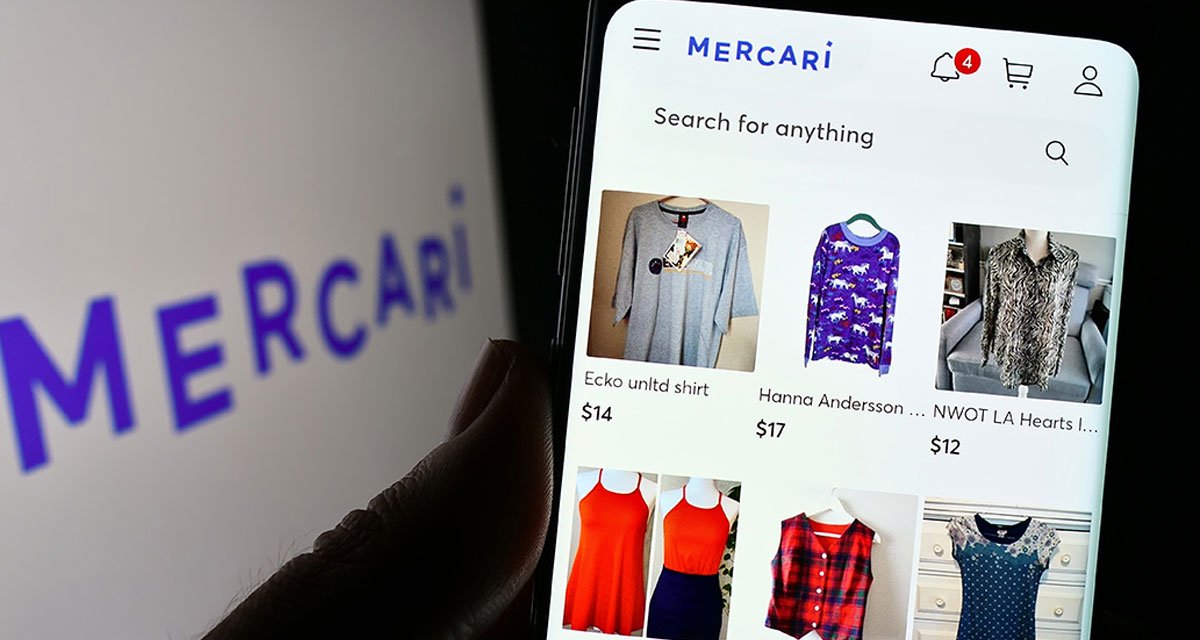
Mercari makes it easy to turn unused clothes, collectibles, electronics, and household goods into cash. But it is not always the best place for every item. A niche fashion buyer may never see your vintage jacket, a local shopper may not want to pay shipping for your desk, and a serious collector may prefer a marketplace built around authentication or live auctions.
The best apps like Mercari are eBay for the widest reach, Poshmark for mainstream fashion, Depop for trend-led clothing, Facebook Marketplace for local sales, and Whatnot for collectibles. The right choice depends on what you sell, how quickly you need the money, and whether you prefer shipping or meeting buyers locally.
This guide compares 11 strong Mercari alternatives by specialty, selling format, audience, and practical trade-offs. Marketplace fees and policies change, so confirm the current terms inside each app before listing a high-value item.

Apps Like Mercari at a Glance
| App | Best for | Selling style | Main advantage |
|---|---|---|---|
| eBay | Almost anything, especially rare items | Fixed price or auction | Enormous buyer reach |
| Poshmark | Clothing, shoes, and accessories | Fixed price and offers | Social fashion marketplace |
| Depop | Vintage and trend-led fashion | Fixed price and offers | Young, style-conscious audience |
| Facebook Marketplace | Furniture and local pickup | Local listings and messaging | No shipping required for local deals |
| OfferUp | Everyday local goods | Local-first listings | Fast mobile listing |
| Vinted | Affordable secondhand fashion | Fixed price and offers | Simple closet clear-outs |
| Whatnot | Cards, comics, toys, and collectibles | Live auction or marketplace | Real-time selling community |
| Etsy | Handmade, craft supplies, and vintage | Shop-style listings | Buyers searching for distinctive items |
| Grailed | Menswear, streetwear, and designer fashion | Fixed price and offers | Focused fashion audience |
| ThredUp | Low-effort clothing clean-outs | Managed consignment | Minimal listing work |
| Nextdoor | Neighborhood sales | Local listings | Nearby community reach |
1. eBay: Best Mercari Alternative Overall
eBay is the strongest all-purpose alternative because it combines a huge audience with flexible listing formats. You can set a fixed price, accept offers, or run an auction when an item’s market value is uncertain. That makes it especially useful for collectibles, replacement parts, electronics, trading cards, and discontinued products.
Its search tools and sold-listing history also make pricing easier. Before creating a listing, search for the exact item and filter for completed sales. Actual sale prices are more useful than optimistic asking prices.
The trade-off is complexity. Categories can carry different fees, sellers must learn shipping settings, and returns require more attention than on a casual decluttering app. Review the current details on eBay’s official selling-fees page.
- Best for: rare products, electronics, collectibles, parts, and sellers who want national or international reach.
- Watch for: category-specific fees, promoted-listing costs, and accurate shipping weights.
2. Poshmark: Best for Mainstream Fashion
Poshmark is built around closets rather than general merchandise. It works well for recognizable clothing, shoe, handbag, beauty, and home brands. Buyers can like listings, bundle several items, make offers, and follow sellers, so consistent activity can help a closet gain visibility.
The standardized shipping process is convenient for many apparel sellers. Poshmark also handles authentication for eligible luxury purchases under its current program. However, its commission structure can feel expensive on lower-priced or heavily discounted items. Check Poshmark’s fee policy before setting your minimum acceptable price.
- Best for: branded apparel, shoes, handbags, accessories, and closet bundles.
- Watch for: offer discounts, platform fees, and the time required for sharing and engagement.
3. Depop: Best for Vintage and Trend-Led Clothing
Depop feels more like a social feed than a traditional classifieds site. Strong photography, styling, and a clear shop identity matter. Vintage denim, Y2K fashion, streetwear, handmade or reworked garments, and distinctive accessories tend to fit its audience better than generic mall basics.
A plain product photo can work on Mercari, but Depop rewards presentation. Model the item when appropriate, show its silhouette, use relevant style keywords, and disclose measurements and flaws. Current charges can include payment processing and other costs depending on location and listing setup, so consult Depop’s official seller guidance.
- Best for: vintage, alternative fashion, streetwear, and visually distinctive pieces.
- Watch for: photography standards, trend-driven pricing, and location-specific policies.
4. Facebook Marketplace: Best for Local Pickup
Facebook Marketplace is often the fastest option for furniture, appliances, bicycles, party supplies, and other bulky items that are awkward or expensive to ship. Listings can reach buyers nearby, and local pickup eliminates packaging and carrier costs.
The convenience comes with more buyer screening. Expect short messages, negotiation, and occasional no-shows. Keep conversations inside the platform, avoid unusual payment requests, meet in a public place for portable items, and never share verification codes. For large pickups at home, have another adult present and keep the exchange outside when possible.
- Best for: furniture, home goods, tools, appliances, bikes, and same-week sales.
- Watch for: scams, no-shows, overly broad location details, and unsafe meeting arrangements.
5. OfferUp: Best for Simple Local Selling
OfferUp is another mobile-first option for local buying and selling. The listing process is quick, and its browse experience suits everyday goods such as small furniture, electronics, tools, sporting equipment, and home d?cor.
Compared with Facebook Marketplace, results depend heavily on local activity. In a busy metro area, OfferUp may produce quick inquiries; in a smaller market, the buyer pool may be thinner. Test both platforms with the same accurate photos and price, then remove the duplicate promptly when the item sells.
- Best for: local household goods and sellers who want a classifieds-style app.
- Watch for: regional demand, low offers, and off-platform payment requests.
6. Vinted: Best for an Affordable Closet Clear-Out
Vinted focuses on secondhand fashion and related lifestyle categories. It is a good match for sellers clearing several wearable, accurately described items that may not justify the work required by a more brand-driven platform.
Because buyers often shop with value in mind, realistic pricing matters. Bundles can help move lower-cost pieces, but you should calculate your bottom line before accepting a steep offer. Policies, buyer-protection charges, and available categories differ by market; verify them on Vinted’s Help Center.
- Best for: everyday clothing, children’s wear, accessories, and multi-item closet clean-outs.
- Watch for: price-sensitive buyers and country-specific rules.
7. Whatnot: Best for Live Collectible Sales
Whatnot combines a conventional marketplace with live video auctions. It is particularly strong for trading cards, comics, coins, sneakers, toys, and other categories where buyers enjoy discovery and seller personality.
Live selling can move inventory quickly, but it is not passive. Successful streams require preparation, clear item organization, dependable lighting, accurate descriptions, and enough energy to keep viewers engaged. Auction starts that are too low can also reduce margins when attendance is weak.
- Best for: collectors, repeat inventory, live demonstrations, and community-oriented sellers.
- Watch for: show preparation, low opening bids, fulfillment volume, and category approval requirements.
8. Etsy: Best for Handmade and Genuine Vintage Items
Etsy is not a direct home for every used item. It is a specialized marketplace for handmade products, craft supplies, and items that meet Etsy’s vintage criteria. If your inventory fits those rules, buyers may be willing to pay for uniqueness, provenance, or customization rather than simply choosing the cheapest option.
Good Etsy listings rely on search-friendly titles, attractive photos, accurate materials, and a polished shop. Sellers should budget for listing, transaction, payment-processing, and possible advertising charges. See Etsy’s official fees policy and seller rules before opening a shop.
- Best for: handmade goods, craft supplies, personalized products, and qualifying vintage items.
- Watch for: eligibility rules, multiple fee types, and the work of running a branded shop.
9. Grailed: Best for Menswear and Streetwear
Grailed serves shoppers looking for menswear, designer labels, streetwear, sneakers, and archive fashion. A niche audience can be an advantage: the right buyer may understand a piece that receives little attention on a broad marketplace.
Include measurements, condition details, tags, packaging, and proof of authenticity where relevant. Designer buyers inspect listings closely, and inaccurate descriptions can lead to disputes. The marketplace is less suitable for ordinary household clutter or low-value basics.
- Best for: designer menswear, streetwear, sneakers, and archive pieces.
- Watch for: authenticity expectations, detailed condition reporting, and a narrower audience.
10. ThredUp: Best When Convenience Matters More Than Control
ThredUp is different from peer-to-peer apps. Instead of photographing and shipping each sale yourself, you send eligible clothing to a managed resale service. That can be appealing when your priority is clearing space rather than maximizing the return on every item.
The compromise is control. Acceptance standards, processing times, listing decisions, and payouts may not suit premium pieces or sellers who enjoy managing their own shops. Review current eligible brands and payout terms before sending anything you would regret losing control over.
- Best for: busy sellers with a volume of eligible clothing and modest expectations.
- Watch for: rejected items, processing time, payout structure, and limited control.
11. Nextdoor: Best for Neighborhood Sales
Nextdoor can work for practical items that a nearby household needs: moving boxes, garden equipment, children’s gear, party decorations, small furniture, and seasonal goods. Its neighborhood focus means a buyer may be only a few streets away.
It is not as sophisticated as eBay for pricing rare goods or as fashion-focused as Poshmark. Its value is proximity. Use clear pickup windows, avoid publishing unnecessary personal information, and follow the same safe-meeting practices you would use on any local platform.
- Best for: useful household items, last-minute sales, and hyperlocal pickup.
- Watch for: limited demand, privacy, and informal buyer communication.
How to Choose the Best Mercari Alternative
Match the app to the item
Do not choose a marketplace only because it is popular. Choose it because its buyers already look for your category. A sofa belongs on a local platform; a rare camera lens benefits from eBay’s search reach; a vintage designer jacket may perform better on Depop or Grailed; and a handmade party banner belongs on Etsy.
Calculate net profit, not just the selling price
Before listing, estimate what remains after marketplace fees, payment processing, promoted placement, shipping, packaging, discounts, and taxes that apply to your business. A $50 sale is not a $50 profit. Build a small cushion into your price if buyers commonly make offers.
Decide how much work you want
eBay gives sellers considerable control but requires careful listing and shipping choices. Whatnot can create fast, energetic sales but requires live presentation. ThredUp asks for less day-to-day work but also gives up control. The best app is one you can use consistently without making the process more burdensome than the likely return.
Consider local versus shipped sales
Local pickup is ideal for large, fragile, or low-margin products. Shipping opens a much larger buyer pool and works well for compact, searchable goods. Weigh and measure packaged items before quoting shipping so an unexpected carrier charge does not erase your profit.
Five Ways to Sell Faster on Any Resale App
- Use bright, original photos. Show the front, back, label, serial or model number, accessories, and every meaningful flaw.
- Write a searchable title. Include brand, exact product name, size, color, material, and model when relevant; avoid keyword stuffing.
- Price from sold data. Similar active listings reveal competition, but completed sales reveal what buyers actually pay.
- Respond promptly and professionally. Clear answers reduce hesitation, while pressure tactics and evasive replies undermine trust.
- Cross-list carefully. Listing on two or three suitable apps can increase exposure, but remove sold inventory immediately to avoid selling the same item twice.
Frequently Asked Questions
What is the best app like Mercari?
eBay is the best overall Mercari alternative for most sellers because it has broad category coverage, a large audience, and both fixed-price and auction formats. Poshmark is better for mainstream fashion, Facebook Marketplace for local bulky items, and Whatnot for live collectible sales.
Which Mercari alternative is best for selling clothes?
Choose Poshmark for recognizable mainstream brands, Depop for vintage and trend-led fashion, Vinted for affordable everyday clothing, Grailed for menswear and streetwear, and ThredUp when convenience matters more than controlling the listing.
What app is best for selling locally?
Facebook Marketplace usually offers the broadest local reach, while OfferUp provides a streamlined classifieds experience and Nextdoor reaches nearby households. Local activity varies, so test more than one app for items that have not received serious inquiries.
Are there apps like Mercari with no seller fees?
Some local transactions or marketplace models may not charge a traditional seller commission, but payment, shipping, buyer-protection, promotion, or other charges can still apply. Fee structures change frequently and vary by country, so check the platform’s current policy before listing.
Is it safe to use Mercari alternatives?
Established marketplaces provide reporting and payment systems, but no platform eliminates risk. Keep communication and payment on-platform, document condition and packing, use tracked shipping, protect serial numbers in your records, and use public meeting locations for local exchanges. Never send a verification code or pay an unexpected fee to ??nlock??a buyer payment.
Should I list the same item on multiple apps?
Cross-listing can increase reach when each platform fits the item. Start with two or three marketplaces rather than copying everything everywhere. Track each listing and remove it immediately after a sale. High-volume sellers may benefit from dedicated inventory or cross-listing software.
The Bottom Line
There is no single Mercari replacement that wins every category. Use eBay for maximum reach, Poshmark or Depop for fashion, Facebook Marketplace or OfferUp for local pickup, Whatnot for live collectibles, and Etsy for products that meet its handmade, supply, or vintage rules.
If you are unsure where to begin, list one representative item on the two platforms that best match its category. Compare serious inquiries, net profit, time spent, and ease of fulfillment??ot just views or likes. The marketplace that attracts the right buyers with a process you can repeat is the best Mercari alternative for you.