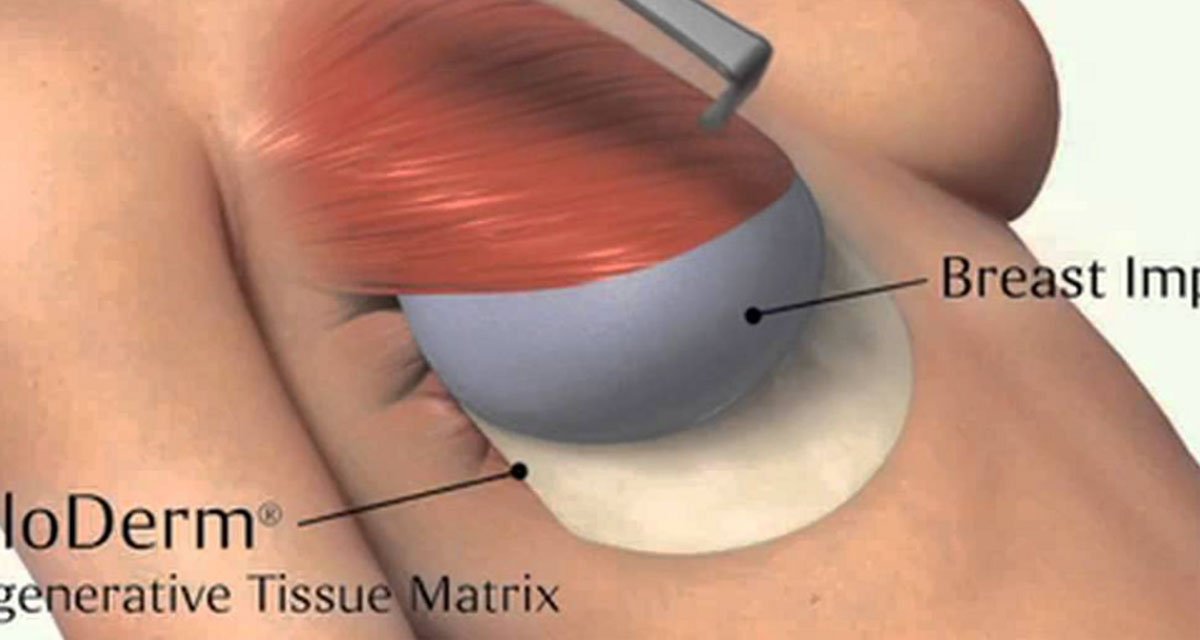
Breast reconstruction mesh can help shape and support the surgical pocket after mastectomy, but it depends on healthy tissue, controlled tension, and clean healing. Research has shown that mesh-assisted breast procedures can carry complication rates as high as 34%, with roughly 13% of patients requiring implant removal. In 2023, the FDA confirmed that commonly used mesh products, including GalaFLEX and Phasix, have not been approved for use in breast surgery. In St. Louis, MO, and across the country, patients who experienced mesh failure are seeking answers about why these products were used and what went wrong.
Failure may appear as infection, exposure, hardening, pain, fluid collection, or implant displacement. These outcomes rarely come from one cause. They usually reflect several pressures acting together, including blood flow, radiation effects, surgical technique, and how the material behaves inside living tissue. A breast mesh injury attorney can help patients understand whether device-related factors contributed to their complications and what legal options may be available.
Legal Context
When reconstruction fails, the medical record often tells a careful story through wound notes, cultures, imaging, and revision findings. Legal review may examine those details alongside product identifiers, operative reports, and symptom timing, helping separate device-related concerns from expected surgical risk without overstating what the evidence can prove.
Weak Tissue Coverage
Mesh needs reliable coverage from skin, fat, muscle, or acellular tissue layers. Thin mastectomy flaps may lack enough oxygenated blood to seal the repair. Prior scars can also reduce pliability. Once coverage thins, the material may become visible or exposed. That opening can invite bacterial growth, drainage, and wound separation, often forcing removal.
Infection Risk
Infection remains one of the clearest reasons mesh fails. Bacteria can cling to implanted material and produce a biofilm, which shields organisms from immune cells. The CDC identifies surgical infections as a leading type of healthcare-associated complication, particularly when implanted materials are involved. Oral or intravenous antibiotics may reduce symptoms without clearing the surface. Persistent redness, warmth, fever, odor, or drainage can signal deeper involvement. At that point, salvage becomes difficult.
Radiation Damage
Radiation changes tissue at a cellular level. Small vessels may narrow, collagen can stiffen, and lymphatic drainage often slows. Those changes make healing less predictable after reconstruction. Mesh placed near irradiated skin may tighten, scar, or detach from nearby layers. Even careful placement can struggle when local cells cannot create durable support.
Fluid Buildup
Seromas form when fluid collects inside spaces left after surgery. Around the mesh, that pocket can delay tissue adherence and add pressure. Fluid also creates a place where bacteria can multiply. Occasional drainage may solve a small collection. Repeated swelling, however, can stretch the breast pocket, increase soreness, and disrupt the planned contour.
Mechanical Stress
The reconstructed breast moves with breathing, reaching, posture shifts, and daily lifting. Mesh must tolerate those forces while tissue grows into it. Excessive tension may pull sutures through delicate tissue or widen the lower breast fold. Larger implants can add weight. Over months, stress may cause stretching, asymmetry, or localized pain.
Product Behavior
Different mesh products behave differently after implantation. Biologic materials are processed from human or animal tissue, while synthetic options rely on manufactured fibers. Some products integrate slowly. Others absorb, remodel, stiffen, or persist longer than expected. Support can fade if degradation occurs early. Irritation may continue if the material remains rigid or inflamed.
Surgical Placement
Placement affects both support and healing. Mesh must sit in the correct plane, with stable fixation and smooth contact against surrounding tissue. Poor sizing may leave folds, gaps, or uneven pressure. A tight pocket can impair perfusion. A loose pocket may allow movement. Small technical issues can become larger as swelling subsides.
Patient Health Factors
Health status can narrow the margin for a successful reconstruction. Smoking reduces oxygen delivery and delays collagen formation. Diabetes can weaken the immune response and slow skin closure. Higher body weight may increase pressure across the lower pole. Earlier operations may leave scar tissue with fewer healthy vessels. Risk does not equal certainty, but it matters.
Signs Patients Report
Warning signs often include warmth, swelling, drainage, fever, hardening, or visible shape change. Some people report sharp pulling near the mesh edge. Others notice thinning skin, a ridge, or persistent soreness deep in the pocket. Any sudden change after reconstruction deserves prompt medical review. Early treatment may prevent broader wound breakdown.
Why Revision Happens
Revision may be needed when pain, infection, exposure, or distortion does not improve. Surgeons may drain fluid, exchange an implant, remove mesh, or rebuild the pocket. The best option depends on tissue quality, culture results, and symptom severity. Revision can restore comfort and shape, but it also brings added recovery and strain.
Records Matter
Records help clarify why a reconstruction failed. Operative notes may list mesh type, size, lot number, and fixation method. Clinic visits can show when symptoms first appeared. Imaging, cultures, pathology, and revision reports may connect infection, tissue loss, or device behavior to the outcome. A clear timeline supports better medical and legal review.
Conclusion
Breast reconstruction mesh can fail when biology, surgical mechanics, infection risk, and material response work against healing. Weak coverage, radiation injury, fluid buildup, tension, and patient health all shape the final result. Careful follow-up gives clinicians a better chance to identify trouble early. Detailed records also help explain what happened, why symptoms progressed, and which treatment path may offer the safest recovery.