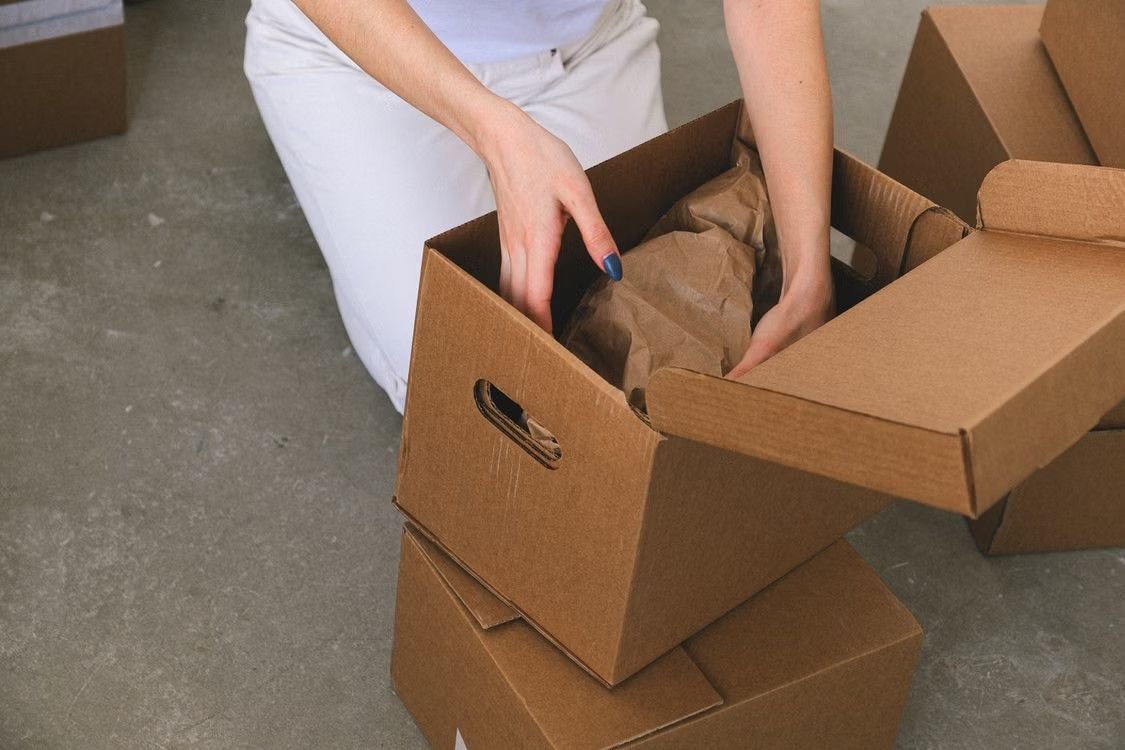
A long-distance move from San Diego can feel overwhelming, but it becomes much easier when you break it into practical steps. Instead of trying to manage everything at once, focus on planning, budgeting, packing, and settling in one stage at a time. With a clear approach, you can reduce stress, avoid last-minute problems, and make the transition smoother for everyone in your household.
Start with a timeline
One of the best ways to stay organized is to create a moving timeline. A long-distance move involves many separate tasks, and a schedule helps turn one big project into manageable steps.
About two months before moving, begin sorting through your belongings and gathering estimates. Once you have a moving date, compare support options, including San Diego long distance movers, to find help that fits your schedule and budget.
Around six weeks before the move, collect important records, update your address where needed, and make travel plans. At the one-month mark, start packing items you do not use every day, such as seasonal clothing, books, extra linens, and decor. During the final two weeks, confirm reservations, finish most of your packing, and separate the essentials you will need right away.
By moving week, your attention should be on final details, not unfinished major tasks. A realistic timeline gives structure to the process, keeps you on track, and helps prevent unnecessary chaos.
Know your moving costs
Long-distance moves often cost more than expected, especially when smaller expenses begin to add up. In addition to transportation or moving labor, you may need to pay for boxes, tape, packing paper, bubble wrap, and fuel.
There can also be costs tied to your new home, including rental deposits, utility setup fees, temporary storage, hotel stays, meals during travel, or pet boarding. If your new home is not ready when you arrive, temporary lodging can quickly become one of the largest expenses.
That is why it helps to build a financial cushion for surprises. Even a well-planned move can involve unexpected spending, whether that means replacing a damaged item or buying more supplies than you estimated.
When comparing moving quotes, do not choose based only on the lowest price. Look closely at what each estimate includes, ask about possible extra charges, and confirm that the quote reflects the actual size and needs of your move. A low estimate can become expensive if key services are left out.
Declutter before packing
The fewer belongings you move, the easier and often more affordable the process becomes. Decluttering before you pack saves time, reduces the number of supplies you need, and may lower moving costs.
A simple method is to sort items into four categories: keep, donate, sell, and toss. Work one room at a time so the task feels manageable. Closets, garages, kitchen cabinets, and storage areas are often the best places to begin because they usually hold items you no longer use.
If you are moving with family, keep the process simple and low-pressure. Let each person decide what matters most to them. Children may be ready to let go of toys they have outgrown, while certain favorite items will clearly need to come along.
Selling useful things online or at a yard sale can help offset moving expenses. Donating items in good condition also reduces waste and helps others. Decluttering is not just about freeing up space. It makes every part of the move lighter, faster, and easier.
Pack room by room
Packing is much less stressful when you focus on one room at a time. This keeps boxes organized and makes unpacking easier once you arrive.
Label every box clearly with the room name and a short description of the contents. A label that says only “kitchen” is useful, but “kitchen – mugs and small appliances” is much more helpful when you need something quickly.
Fragile items should be wrapped carefully with packing paper, towels, or bubble wrap. Fill empty spaces in each box so belongings do not shift during transit. Use smaller boxes for heavy items such as books or dishes, and larger boxes for lighter items like pillows or bedding.
It is also important to prepare an essentials bag or box. Include chargers, medications, important documents, toiletries, snacks, toilet paper, a change of clothes, and other daily necessities. Keep this with you rather than loading it onto the truck so you can access it during travel and on your first night.
Handle home details early
Some of the most frustrating moving issues have nothing to do with packing. They happen when home-related tasks are delayed until the last minute.
Start by forwarding your mail and updating your address with banks, insurance companies, schools, subscription services, and other important contacts. If needed, request copies of medical, dental, and school records. If you own your home, keep all paperwork organized and easy to access.
You should also schedule utility shutoff and startup dates for electricity, water, gas, and internet. Make sure local services such as trash pickup, pest control, landscaping, or security monitoring are canceled or transferred correctly.
Before leaving your old home, clean thoroughly, patch small holes, and take photos to document its condition. If you are renting, review your lease for move-out requirements. If you are selling, ask your real estate agent which items should stay and what must be removed before closing.
Handling these tasks early helps prevent service interruptions, missed mail, and disputes after move-out.
Help kids and pets adjust
Long-distance moves can be especially difficult for children and pets because they may not fully understand what is happening. Familiar routines and extra preparation can make the transition easier.
For kids, try to keep meals, bedtimes, and daily activities as consistent as possible. Talk about the move in simple, reassuring terms, and let them help with small decisions, such as choosing travel snacks or planning their new room. Giving them a sense of involvement can reduce anxiety.
For pets, transportation and comfort should be planned in advance. Make sure you have crates, food, water, leashes, medications, and familiar bedding or toys ready. If your pet does not travel well, speak with your veterinarian before the trip about safe ways to reduce stress.
Once you arrive, unpack favorite blankets, toys, and bedding early. Familiar items can help both children and pets feel more secure and settle into the new home more quickly.
Settle in with less stress
Your first week in the new home does not need to be perfect. The goal is to make the space functional and comfortable enough to support daily life.