You spent your weekend buying beautiful starter plants, digging up rich soil, and carefully planting everything in neat, sunny rows. You can already taste the fresh summer tomatoes and crisp cucumbers. But a few weeks later, you notice the leaves are turning a sickly yellow, the stems are drooping, and weeds are taking over the entire plot.
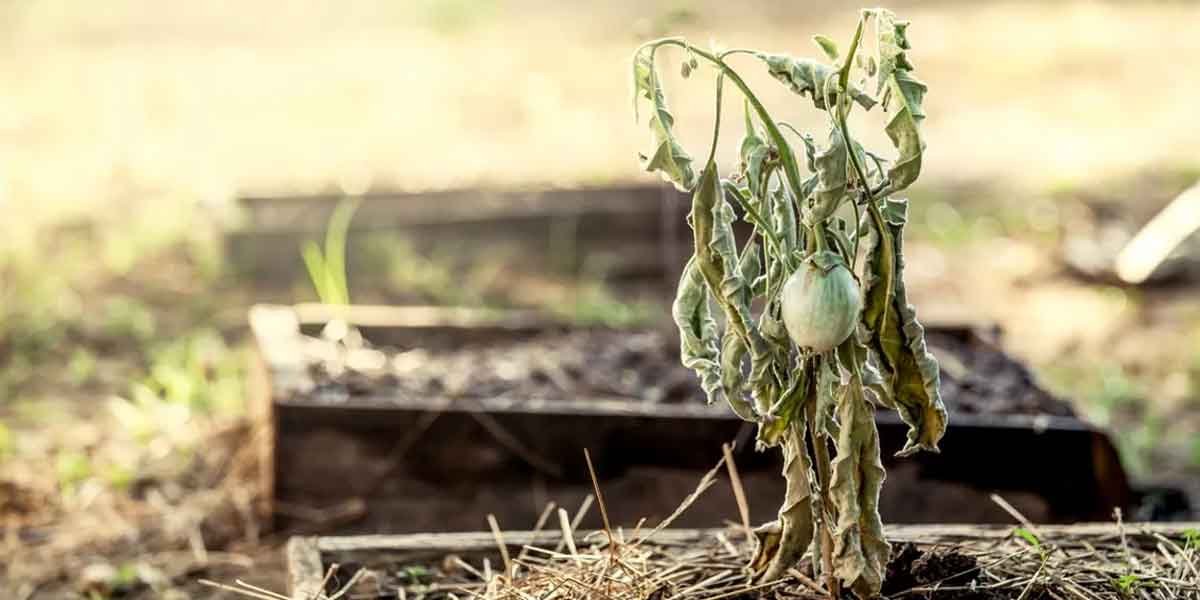
It is a heartbreaking sight that almost every gardener—both beginner and experienced—has faced.
When plants struggle, it is easy to assume you just don’t have a “green thumb.” But the truth is that gardening is a science of small details. Often, the difference between a failing plot and a lush, overflowing harvest comes down to a few simple habits.
By identifying and correcting these five common gardening mistakes, you can save your plants, protect your investment, and watch your backyard thrive.
1. Watering on a Strict Calendar (The Drowning Trap)
What is the most common mistake when watering plants? The most common mistake is watering your garden on a strict calendar schedule instead of checking the actual moisture level of the soil. Overwatering starves plant roots of oxygen, leading to root rot and yellowing leaves.
Many gardeners walk outside every single morning and soak their plants. While this seems caring, it often drowns the roots. Soil needs to breathe. When the ground is constantly saturated, air pockets disappear, and the roots literally suffocate and rot.
To fix this, use the “finger test.” Insert your index finger about two inches into the dirt. If the soil feels damp and cool, skip watering for the day. If it feels dry and dusty, give it a deep, thorough soak.
To make your watering routine even more efficient, consider installing drip irrigation systems. These systems deliver water slowly and directly to the base of the plants, keeping the foliage dry and reducing water waste through evaporation.
2. Treating Your Soil Like Dirt
Why is soil preparation so important? Poor soil structure and a lack of essential nutrients starve your plants before they even have a chance to grow. Healthy plants require loose, nutrient-dense soil that drains well while retaining moisture.
Simply digging a hole in your backyard’s natural clay or sand and dropping a plant inside rarely works. Untreated soil is often too compacted for delicate roots to expand, or it lacks the organic matter required to feed beneficial microbes.
Before planting, always amend your native soil with organic compost or aged manure. This loosens the texture and introduces a slow-release source of nutrition.
If you want to feed your soil naturally throughout the growing season without relying on harsh chemical synthetics, researching professional organic fertilizer tips will help you maintain a balanced, living ecosystem right beneath your feet.
3. Overcrowding and Misjudging Sunlight
How does improper spacing affect plant health? Overcrowded plants compete fiercely for limited sunlight, water, and soil nutrients. Tight spacing also restricts airflow between leaves, which creates a warm, humid environment where fungal diseases thrive.
It is easy to make this mistake when planting young starters. A tiny tomato seedling looks lonely in a large patch of dirt, so you plant three more right next to it. But within two months, those tiny starters will grow into massive, leafy bushes that block the sun from one another.
Always read the plant tags and respect the recommended spacing guidelines. Giving your crops room to breathe ensures every leaf gets its fair share of sunshine.
Additionally, before you dig your first hole, consult a companion planting guide. Learning which plants grow well together—and which ones actively steal resources from their neighbors—helps you maximize your physical space and naturally deter garden pests.
4. Letting Your Gardening Gear Clutter Your Entryway
Many gardeners underestimate the sheer volume of equipment required to keep a garden thriving. From seed trays and soil meters to muddy knee pads, trowels, and sharp pruning shears, a gardening hobby can quickly clutter your living space.
If your tools are thrown into random piles in the garage or left rusting on the back porch, you waste valuable time searching for what you need when a garden emergency strikes.
Storing your seedling setups and organizing your seasonal gear in a utility room or garage equipped with high-quality closet systems in Salt Lake City keeps your tools rust-free, your seeds dry, and your entryway completely tidy. By giving your tools a designated, organized home, you can easily grab your gear and get straight to work.
5. Falling Behind on Weeding and Pest Defense
What is the best way to control weeds and pests in a garden? The most effective approach is preventative defense. Laying down a thick layer of organic mulch early in the season suppresses weed seeds and retains soil moisture, while routine plant inspections catch pest problems before they explode.
Waiting until weeds or insects completely overrun your garden before taking action is an uphill battle. Weeds act like parasites, stealing valuable water and nutrients directly from your vegetables.
Spread a three-inch layer of straw, shredded leaves, or wood chips around the base of your plants. This blocks sunlight from reaching weed seeds, preventing them from germinating.
For pests, make it a daily habit to look under the leaves of your plants. Catching a small cluster of insect eggs early allows you to wipe them away with soapy water, avoiding the need for heavy chemical pesticides later on.
Myth vs. Fact: Common Gardening Misconceptions
- Myth:Watering your plants in the middle of a hot day will burn the leaves.
- Fact:Water droplets do not act like magnifying glasses to burn leaves. However, watering at midday is highly inefficient because a large percentage of the water evaporates before it ever reaches the roots. Early morning is the absolute best time to water.
- Myth:You should remove all insects from your garden.
- Fact:The vast majority of garden insects are highly beneficial. Ladybugs, lacewings, and parasitic wasps are natural predators that eat the harmful pests like aphids and hornworms. Focus on attracting good bugs rather than killing everything.
Frequently Asked Questions
Why are the bottom leaves of my tomato plants turning yellow?
This is usually a classic sign of either overwatering or a nitrogen deficiency in the soil. Check the moisture level first. If the soil is dry, try feeding your tomatoes with a balanced organic liquid fertilizer.
How deep should I plant my seeds?
As a general rule of thumb, plant seeds at a depth equal to two or three times their width. Tiny seeds like lettuce only need a very light dusting of soil, while larger seeds like beans and squash should be buried about an inch deep.
Conclusion
A beautiful, productive garden is built on a foundation of simple, consistent habits. By stepping away from calendar-based watering, investing time into building rich organic soil, respecting spacing rules, and keeping your tools organized, you remove the primary sources of plant stress. Mistakes are simply a natural part of the learning process. The more you listen to what your plants are trying to tell you, the easier it becomes to grow a garden you can truly be proud of.