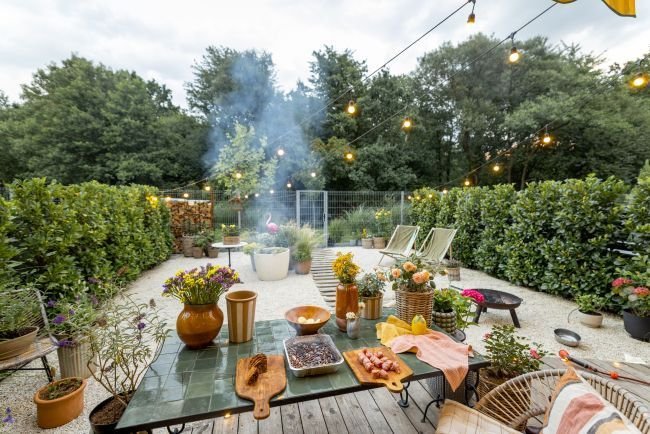
The fast-paced nature of modern life leaves many individuals searching for a reliable place to unwind. While traveling to a remote destination offers temporary relief, the long-term solution to daily stress often lies right outside the back door. Any yard, regardless of its size, shape, or initial condition, has the potential to become a restorative personal sanctuary.
Transforming a standard outdoor plot into a legitimate retreat requires a intentional shift in mindset. Instead of viewing a yard merely as a patch of grass that requires maintenance, it helps to approach the space as an outdoor room designed explicitly for human comfort. By focusing on privacy, comfort, and sensory alignment, you can cultivate a peaceful ecosystem that encourages you to slow down and recharge. Here is how to systematically elevate your yard into a private residential getaway.
Establishing Private, Living Enclosures
True relaxation is difficult to achieve when you feel completely exposed to the sight of neighboring windows or passing traffic. Before focusing on high-end furniture or decorations, a retreat must first feel secure and enclosed.
Rather than relying on stark, institutional wooden fences that can make a small yard feel like a cage, look to nature to create your boundaries. Living green walls provide an organic sense of privacy while actively absorbing neighborhood noise. You can achieve this by layering dense evergreen trees, installing climbing ivy trellises, or planting thick, non-invasive bamboo screens. This tiered landscaping approach creates a soft, natural buffer zone that immediately signals to your nervous system that you are in a safe, secluded environment.
Activating the Senses with Water and Sound
A true retreat should offer an escape from the sensory pollution of urban life. The constant hum of traffic, lawnmowers, or distant conversations can disrupt a peaceful moment, keeping the brain in a low-level state of alertness. Restructuring the auditory environment of your yard is one of the most effective ways to deepen your relaxation.
Introducing the fluid, rhythmic sound of moving water naturally counteracts harsh ambient noises. Incorporating a well-placed backyard water feature, such as a minimalist stone fountain, a cascading pondless waterfall, or a gentle bubbling rock, instantly alters the atmosphere of the property. The brain registers the consistent acoustics of water as a non-threatening soundscape, which masks unwanted neighborhood noise and creates a peaceful auditory bubble that grounds your awareness in the present moment.
Designing Functional, Comfortable Hardscape Zones
A retreat requires a physical destination—a dedicated space that invites you to sit down, put away your digital devices, and linger. This is achieved by creating distinct functional zones using hardscaping materials like natural stone pavers, gravel, or timber decking.
When setting up an outdoor lounge, prioritize comfort and ergonomics just as you would inside your home. Opt for deep-seated, weather-resistant sectional sofas, hammocks, or structural chaise lounges. To make the space usable across different seasons and times of day, pay close attention to environmental control:
- Shade Structures: Utilize pergolas, canvas sail shades, or large cantilever umbrellas to protect the space from the harsh midday sun, keeping the seating area cool and inviting.
- Warmth and Light: Integrate low-profile fire tables or fire pits to act as a visual anchor for evening gatherings. Lowering the light temperature with soft lanterns or firelight encourages the body to transition naturally into a state of rest.
Embracing a Soothing Plant Palette
The visual aesthetics of your garden play a massive role in stress reduction. A frantic, unorganized collection of bright, mismatched flora can overstimulate the eyes. To cultivate a tranquil retreat, lean into a highly restrained and harmonious color palette.
Focus heavily on structural greenery. Layer varied textures of foliage—such as broad-leafed hostas, delicate ferns, and swaying ornamental grasses—to create depth without visual clutter. When choosing flowering plants, favor cool, calming tones like soft lavenders, muted whites, and pale blues. This deliberate color consistency allows your eyes to glide smoothly across the landscape, minimizing cognitive friction and reinforcing the organic, cohesive feel of a high-end resort.
Conclusion
Turning a standard yard into a peaceful retreat does not depend on massive acreage or a sprawling estate. By focusing on organic privacy barriers, comforting functional zones, a cohesive plant palette, and calming sensory additions like a gentle water installation, you can maximize the restorative potential of any outdoor space. This deliberate approach to landscape design ensures that you don’t just change the look of your property; you change how you feel when you step outside. Ultimately, investing in your yard creates a permanent, daily sanctuary that supports long-term mental well-being and relaxation right at home.