Buying a first home comes with many responsibilities, and one of the most important is understanding the condition of the heating and cooling system. Many homeowners move into a property without knowing the age, efficiency, or maintenance history of the HVAC equipment, leaving them vulnerable to unexpected repairs and higher utility bills. A professional inspection provides an opportunity to learn how the system operates and what improvements may be needed over time. Asking thoughtful questions during the inspection allows homeowners to make informed decisions instead of relying on assumptions. The information gathered during this visit can influence maintenance schedules, budgeting, indoor comfort, and long-term property value for years to come.
Understanding the Value of an HVAC Inspection
1. Learning About the System’s Overall Condition
A first-time homeowner should begin by asking about the overall health of the HVAC system rather than focusing only on whether it currently works. A contractor can explain whether the equipment is performing as expected or showing signs of aging that may affect reliability in the future. This conversation should include the approximate age of the furnace, air conditioner, heat pump, or other equipment, along with how those components compare to their expected service life.
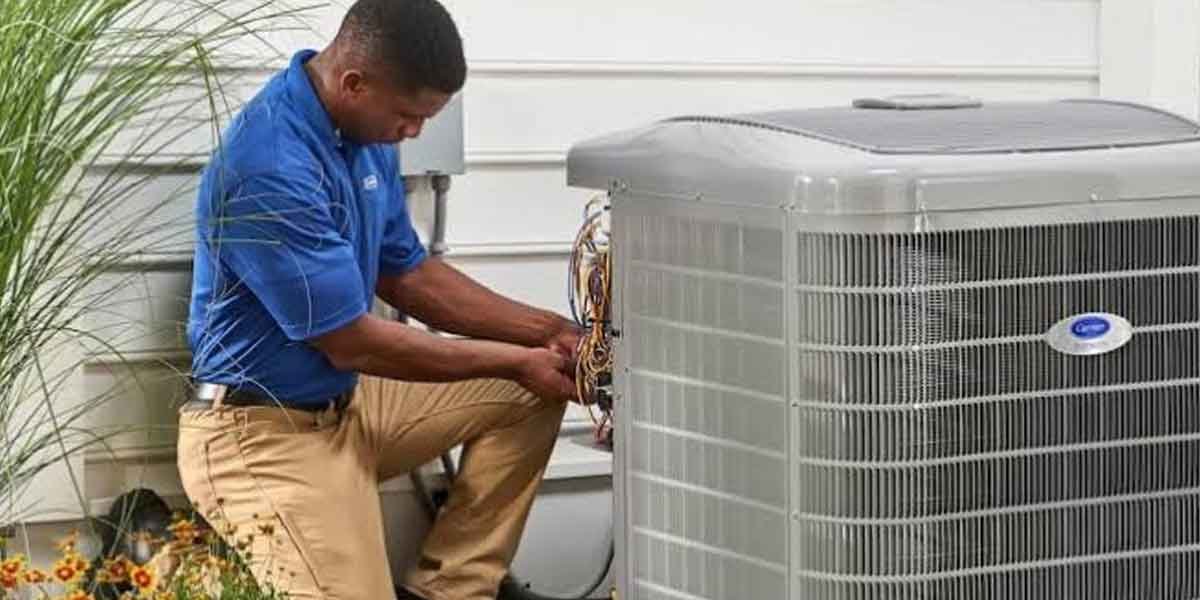
While examining the age and overall wear of the system, special attention should be paid to the cooling components. Minor operational issues can quickly escalate during periods of heavy usage, making it essential to identify worn parts early. Proactively scheduling necessary ac repair can prevent unexpected mechanical failures, optimize seasonal performance, and keep your indoor spaces comfortable.
Homeowners should also ask whether previous maintenance appears to have been completed regularly or if neglected upkeep has created unnecessary wear. Understanding these details helps establish realistic expectations rather than assuming the system will continue to operate without attention.
Asking about visible corrosion, loose electrical connections, worn belts, damaged insulation, and airflow restrictions gives a broader picture of the equipment’s condition. It is equally important to ask whether any current issues require immediate attention or can be safely monitored during future maintenance visits. Landmark Heating & Air Conditioning can help homeowners better understand inspection findings by clearly explaining how each observation may influence comfort, efficiency, and future maintenance decisions.
2. Understanding Efficiency and Energy Consumption
Many first-time homeowners focus on monthly utility costs after moving in, making energy efficiency an important topic during the inspection. An HVAC contractor can explain whether the equipment operates efficiently for its age or if certain components are causing unnecessary energy consumption. Homeowners should ask whether the ductwork, thermostat, insulation around refrigerant lines, and air filters contribute to efficient operation or create avoidable energy loss. Understanding seasonal efficiency ratings and how they affect long-term operating costs allows homeowners to make smarter financial decisions. Contractors may also identify airflow problems that force the system to run longer than necessary, increasing electricity or fuel usage throughout the year.
Asking how thermostat settings, filter replacement schedules, and routine maintenance influence efficiency provides practical guidance for reducing operating expenses. These conversations help homeowners understand that energy savings often result from several small improvements rather than one major upgrade. By learning how different parts of the HVAC system work together, homeowners gain confidence in making maintenance decisions that improve comfort while controlling household energy costs.
3. Discussing Maintenance Requirements Throughout the Year
Routine maintenance plays a significant role in extending the life of heating and cooling equipment, yet many first-time homeowners are unfamiliar with what those responsibilities include. During the inspection, homeowners should ask which maintenance tasks they can safely perform themselves and which should always be handled by a qualified contractor. Questions about changing air filters, cleaning outdoor condenser units, checking condensate drains, monitoring thermostat operation, and keeping supply and return vents unobstructed provide valuable information that supports dependable system performance.
Homeowners should also ask how frequently professional inspections should be scheduled and whether seasonal tune-ups are recommended before periods of heavy heating or cooling use. Understanding warning signs such as unusual sounds, inconsistent temperatures, reduced airflow, unpleasant odors, or higher utility bills helps homeowners recognize developing issues before they become larger problems. Learning how simple maintenance habits improve airflow, indoor air quality, and consistent equipment operation encourages responsible ownership while reducing unnecessary repair costs throughout the system’s life.
Establishing a proactive relationship with a local heating and cooling team helps ensure that minor issues are identified during routine checks. Homeowners who want to maintain optimal efficiency and seasonal reliability often benefit from scheduled tune-ups before extreme weather sets in. Click here to find further information on setting up a comprehensive maintenance routine that supports long-term equipment health.
4. Asking About Indoor Air Quality and Home Comfort
Heating and cooling equipment does more than regulate temperature because it also affects the quality of the air circulating throughout the home. First-time homeowners should ask how the HVAC system influences humidity levels, airborne dust, allergens, and overall indoor comfort. Contractors can explain whether the existing filtration system adequately captures common airborne particles or if improvements may provide cleaner indoor air. Questions about ventilation, fresh-air circulation, moisture control, and airflow balancing can reveal opportunities to improve comfort in every room. Some homes experience uneven temperatures due to duct design, blocked vents, insulation deficiencies, or improperly adjusted dampers, rather than equipment failure.
Property owners who want to resolve these comfort discrepancies often find that installing a modern climate control setup makes a noticeable difference. You can continue reading to see how a professional setup can help maintain consistent temperatures and reduce ongoing monthly expenses throughout your property.
Understanding these factors helps homeowners avoid unnecessary equipment replacement while addressing the true source of discomfort. Contractors can also discuss how regular filter replacement and periodic duct inspections contribute to healthier indoor environments. These conversations give homeowners practical knowledge about maintaining comfortable living conditions while supporting the overall performance of the HVAC system throughout changing weather conditions.
5. Preparing for Future Repairs and Replacement Planning
Even if an HVAC system operates properly during the inspection, every homeowner should understand that mechanical equipment eventually requires repairs or replacement. Asking about the estimated remaining lifespan of each major component helps homeowners prepare financially and avoid unexpected expenses. Contractors can explain which parts typically wear out first, what symptoms indicate developing problems, and whether replacement parts remain readily available for the existing equipment. Homeowners should also ask whether future repairs are likely to be cost-effective compared to replacing older systems as they continue to age. Understanding warranty coverage, service records, manufacturer recommendations, and compatibility with newer technologies provides additional insight into long-term planning.
This discussion helps homeowners establish realistic maintenance budgets and avoid rushed decisions during equipment failures.
Planning ahead can mitigate the stress of a sudden system breakdown, especially when older systems begin to lose efficiency and experience regular mechanical failure. Homeowners who face frequent repairs or rising utility costs may decide to learn more about professional HVAC replacement services in Westford to explore energy-efficient upgrades. Proactively upgrading heating and cooling setups can support more consistent indoor temperatures while contributing to better daily home comfort.
Learning about gradual upgrades, improved thermostats, enhanced insulation, or duct improvements can also support future efficiency goals without requiring immediate system replacement. These conversations encourage thoughtful planning rather than reactive spending whenever heating or cooling issues eventually arise.
6. Building Confidence Through Open Communication
An HVAC inspection offers much more than a simple confirmation that heating and cooling equipment turns on properly. It creates an opportunity for first-time homeowners to understand the condition, operation, maintenance needs, and future expectations of one of the home’s most important systems. Asking detailed questions allows homeowners to move beyond surface observations and gain practical knowledge that supports informed decisions throughout their years of ownership.
Clear communication with the contractor builds confidence while reducing uncertainty about maintenance schedules, repair priorities, energy efficiency, indoor comfort, and future budgeting. Rather than waiting for problems to appear, homeowners who actively participate during an inspection develop a stronger understanding of their property’s needs. That knowledge contributes to greater comfort, lower operating costs, and greater peace of mind as they continue to care for their investment. A thoughtful conversation during one inspection can provide valuable guidance that benefits the home for many years ahead.