Starting a business is an incredibly exhilarating journey filled with ambition, creativity, and uncertainty. For many aspiring entrepreneurs, the biggest challenge isn’t coming up with an innovative concept—it’s knowing how to turn that spark into a successful startup. Moving from a raw idea to an impactful launch requires a careful balance of strategic planning, disciplined execution, and resilience. If you are at the beginning of your entrepreneurial path, understanding the foundations of business growth can make all the difference. To help you navigate this transition, here are essential tips for ensuring your startup’s long-term success.
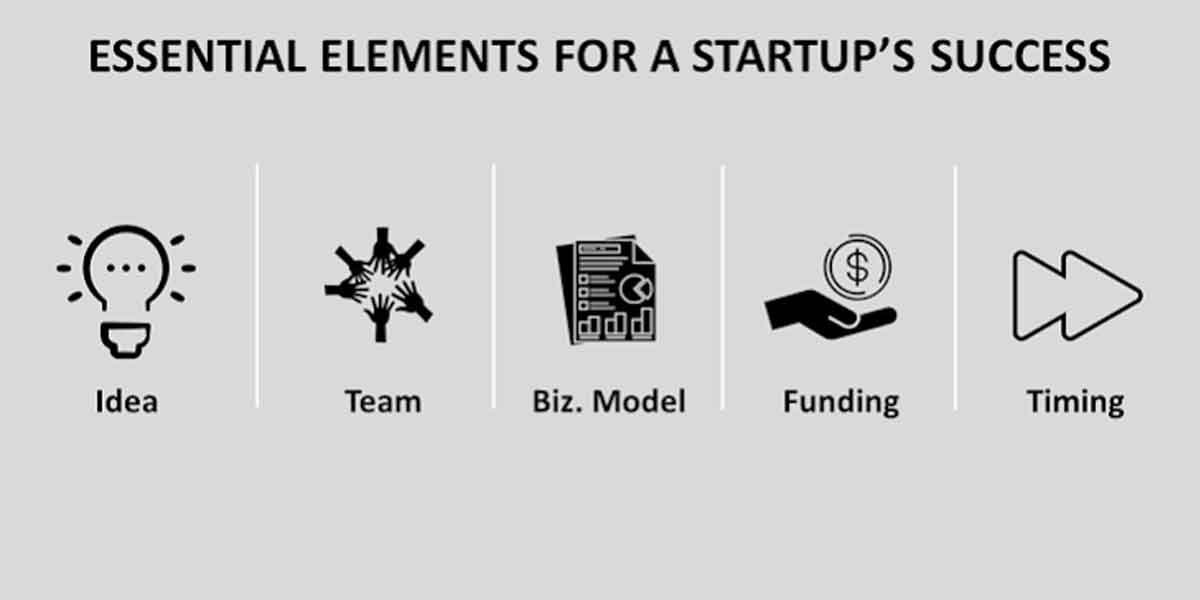
Validate Your Concept Early
Before investing significant time and capital, you must establish whether your business idea has real market demand. A common pitfall for new entrepreneurs is assuming their personal enthusiasm is automatically shared by the public. To avoid costly mistakes, conduct thorough market research early. Talk directly to potential customers, run surveys, and analyze your competitors. Your primary goal is to determine whether your product solves a genuine problem and if your target demographic is willing to pay for your solution. Early validation gives you the critical insights necessary to refine your offering before launch.
Draft a Lean Business Plan
You do not need a fifty-page document to get started, but you absolutely need a clear, actionable strategic blueprint. A simple business plan serves as your startup’s roadmap, keeping your team focused on key short-term and long-term milestones. This living document should outline your business goals, target audience, value proposition, revenue model, and marketing strategy. As your business grows and encounters new market dynamics, your plan should adapt. Having structural clarity early on helps you make data-driven decisions and makes your venture more attractive to potential investors.
Focus on a Minimum Viable Product (MVP)
A frequent mistake beginners make is trying to build a perfect, feature-rich product right away. Instead, focus your energy on creating a Minimum Viable Product (MVP). An MVP is a simplified version of your offering that delivers only the core functionality required to solve the user’s problem. Launching an MVP allows you to enter the market quickly, gather feedback from early adopters, and make iterative improvements based on real user experiences. This agile approach saves time, reduces initial development costs, and minimizes financial risk.
Assemble the Right Team
A successful startup is never a one-person show; its viability hinges on the capabilities of its people. As you scale operations, you must surround yourself with talented individuals who complement your skills and share your vision. For technology-focused startups, finding top technical talent can be exceptionally difficult. Partnering with a specialized software engineer recruiter can streamline this process, allowing you to source high-caliber developers who fit your organizational culture. Building a resilient team early on fosters a culture of innovation and collaborative problem-solving.
Maintain Financial Discipline
Strict financial discipline is vital for ensuring your startup’s longevity and preventing premature failure. Track your cash flow meticulously and prioritize spending on essential operational needs. Avoid unnecessary overhead by starting lean; this might mean utilizing shared co-working environments or purchasing cost-effective equipment instead of premium office spaces. Furthermore, explore funding options such as bootstrapping, angel investors, or small business loans strategically. Choose the financial path that aligns best with your growth timeline, risk tolerance, and long-term equity goals.
Stay Agile and Adapt to Change
No startup journey goes exactly according to script. Market landscapes fluctuate, consumer preferences shift, and unexpected operational challenges will arise. The ability to remain flexible and open to change is a critical trait for a successful founder. Pay close attention to your performance metrics, including customer acquisition costs and user engagement levels. Do not be afraid to pivot your approach if the data indicates your current path is unsustainable. Embracing continuous adaptation allows you to turn setbacks into major business breakthroughs.
Conclusion
In conclusion, launching a startup is a demanding yet rewarding marathon. By focusing on customer validation, lean execution, strategic team assembly, and strict financial discipline, you can successfully transform your creative vision into a thriving, sustainable business. Embrace the continuous learning process, remain resilient in the face of challenges, and take the necessary steps to turn your entrepreneurial dreams into reality.
You Might Also Like...
 The Ultimate Frozen Toys Round Up
 Chris Potoski: The Entrepreneur Who Built a $10 Million Empire from Adversity
 Monet Poole: The Inspiring Story of How a Social Worker Shaped an NBA Star’s Success
 MyGreenBucks Kenneth Jones: The Complete Guide to Smart Money, Financial Freedom, and Sustainable Wealth Building