Replacing your windows eliminates drafts and fogging caused by condensation trapped between the glass panes, and it prevents decay in wood frames. Because every home is different, professionals choose window solutions that fit your specific layout. Here is more information about the window replacement process from start to finish:
Professional Window Consultation
The consultation phase marks the start of the replacement project and focuses on establishing requirements and defining solutions. A product expert meets with the client to assess aesthetic preferences and review performance needs within the home. The discussion includes how specific window technologies address common residential challenges, including reducing outdoor noise and improving indoor comfort. Room-by-room conditions, such as airflow patterns, guide recommendations for appropriate window operation styles. Through this technical review, clients evaluate features that influence comfort, efficiency, and overall building performance. The window expert then develops a project plan aligned with the home’s layout, detailing recommended styles, materials, and upgrades.
Precise Site Measurements
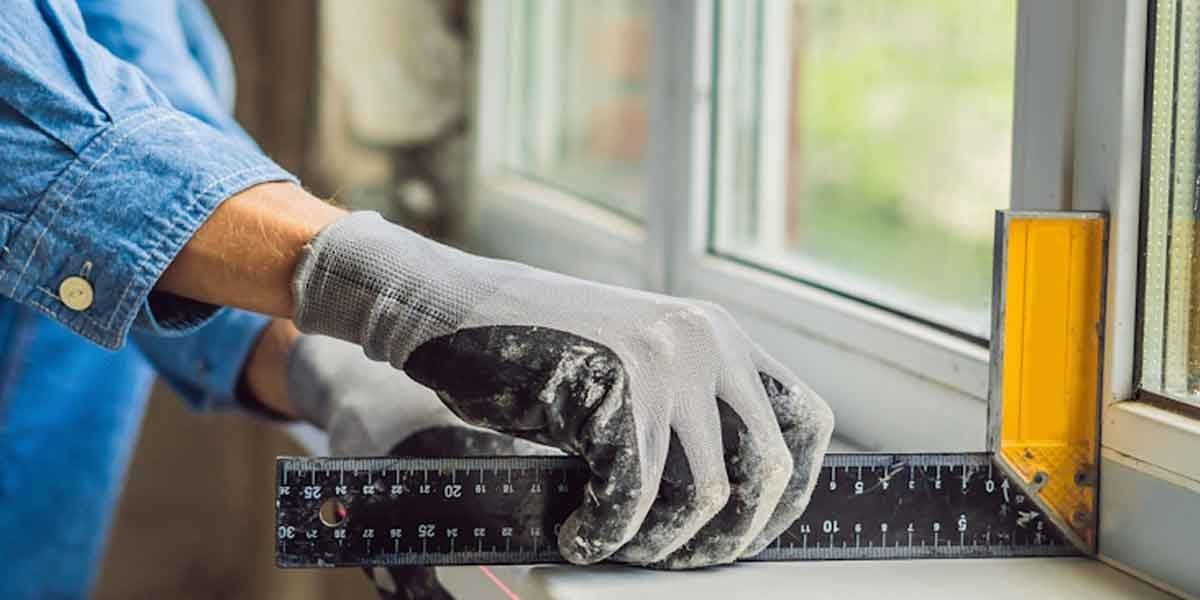
The window replacement team begins by evaluating the home’s existing framing and structural support. Technicians take precise measurements of each opening, documenting dimensions such as width, height, and depth at multiple points. This process reveals hidden irregularities, including frame warping or inconsistencies in older construction.
Homes with aging materials or uneven structural openings require a more detailed inspection to account for potential variation across each frame. Technicians also identify localized damage and assess the condition of the surrounding wood or structural components to confirm suitability for new installations. Accurate measurement work verifies that the replacement units fit securely without gaps or excessive pressure on the frame during long-term use.
Personalized Product Selection
Homeowners work with professionals to evaluate window designs that match ventilation and performance requirements. The selection includes sliding windows for horizontal operation, double-hung windows with two vertically moving sashes, and custom-shaped units such as arches and circles. Room conditions, including airflow needs and exposure to weather, determine the most appropriate operating style for each installation.
Casement windows, hinged on the side, provide full opening for airflow; awning windows are hinged at the top and support ventilation during light rain. Hopper windows, hinged at the bottom and opening inward, suit basements and other compact areas where controlled airflow is required. Professionals are able to discuss the available window styles that will fit your space and provide the most light and functionality.
Design selection also accounts for daylight access and energy performance. Picture windows provide fixed views and maximize natural light, but lack ventilation. Bay and bow window assemblies project outward to expand interior space and increase exterior viewing angles. These larger window systems often incorporate low-emissivity (low-E) glass to reduce heat transfer and improve indoor temperature stability.
Old Window Removal
Technicians remove existing windows using controlled methods that preserve surrounding interior and exterior finishes. Careful disassembly limits impact on siding, trim, and adjacent wall materials. Once the old unit is removed, technicians inspect the exposed opening to assess structural condition. The inspection focuses on signs of rot, moisture intrusion, and frame distortion. Properties with prolonged exterior leaks often require remediation of damaged materials before new installation proceeds. Any compromised framing or deteriorated substrate receives correction to restore structural integrity.
Technicians then remove residual sealant, level uneven framing surfaces, and clear debris from the cavity. These steps establish a uniform perimeter that supports proper alignment of the replacement unit. During removal, the installation team completes several targeted tasks to fully clear the opening:
- Perimeter sealant is sliced and separated from adjoining trim and siding
- Old sash components are detached and removed from the frame assembly
- Corroded or damaged fasteners are extracted to prevent obstruction during installation
New Window Installation
Technicians place the replacement units into the prepared openings and set each frame level within the wall cavity. Careful alignment offers smooth mechanical operation, with installers verifying that sashes slide or swing without resistance or binding. This step also updates the building’s exterior assembly by integrating the new unit into the existing façade and restoring a continuous protective envelope against weather exposure. Once positioned, installers apply insulation and weatherproofing materials around the perimeter of the frame. This helps reduce drafts and limit seasonal air leakage, supporting consistent indoor temperature control.
Learn More About Window Replacement
After installation, technicians complete final performance checks to confirm proper fit and function across all units. Each window is opened and closed repeatedly to verify smooth movement and consistent alignment within the frame; these checks help verify that your window will provide long-lasting, aesthetic results. Contact a reputable window installation company to learn more about their services.