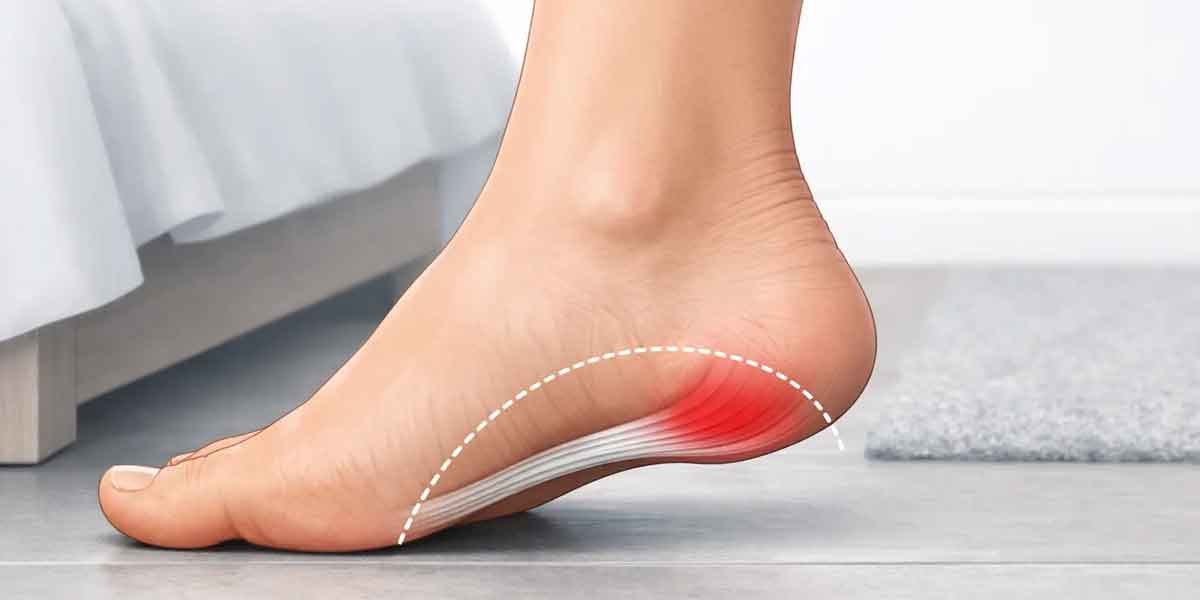
If your first few steps out of bed feel like walking on broken glass, there is a reasonable chance the answer is yes. Plantar fasciitis is one of the most frequently encountered causes of heel and foot pain, and it has a particular talent for interrupting fitness routines and daily life in equal measure. The encouraging part is that plantar treatment (this is commonly referred to as แก้ปวดเท้า in Thai), when approached correctly and consistently, tends to produce genuinely good results without the need for surgery in the vast majority of cases.
What the Plantar Fascia Actually Does
The plantar fascia is a thick band of connective tissue running along the sole of the foot, from the heel bone to the base of the toes. Its job is to absorb impact and support the arch with every step you take. When this tissue is repeatedly overloaded or placed under sustained tension, small tears develop and the surrounding area becomes inflamed.
The classic tell-tale sign is that stabbing pain with your first steps in the morning, which tends to ease after a few minutes of walking but often returns after long periods of standing or following exercise.
Who Tends to Get It
Plantar fasciitis does not discriminate, but certain groups are more vulnerable:
- Runners and those who do high-impact training, especially when mileage or intensity is increased too quickly
- People who spend long hours on their feet, including healthcare workers, hospitality staff, and retail workers
- Those with flat feet or high arches, as both affect how load is distributed across the foot
- Anyone who has recently changed footwear, particularly switching to less supportive shoes
- Individuals who are carrying extra weight, which increases the force placed on the plantar fascia with each step
Why It Tends to Drag On
Many people underestimate plantar fasciitis because the pain sometimes eases mid-day, giving the impression that it is resolving on its own. The tissue, however, continues to be strained with every step. Without addressing the root cause, small amounts of damage accumulate and the condition becomes increasingly stubborn.
Ignoring it long enough can also affect how you move. People naturally begin to offload the painful foot, which puts compensatory strain on the knee, hip, and lower back.
What an Effective Recovery Actually Involves
Targeted Stretching
The calf muscles and Achilles tendon attach directly into the heel and have a significant influence on plantar fascia tension. Keeping these tissues supple is one of the most consistent ways to reduce strain on the sole of the foot.
Footwear and Load Management
Supportive footwear and, when needed, custom orthotics can help spread pressure more evenly across the feet. Reducing training volume temporarily while the tissue settles is not giving up. It is a sensible part of recovery.
Physiotherapy
A skilled physiotherapist can assess your gait, identify the contributing factors specific to your situation, and guide you through a progressive rehabilitation plan that addresses the cause rather than just the symptom.
Stop Managing It and Start Resolving It
Foot pain that has been lingering for weeks deserves proper attention. Bangkok Physiotherapy Center (BPC) offers specialist ankle and foot assessments, working with patients to build structured, effective recovery plans that get people back to full activity without the frustrating cycle of short-term relief and relapse.