Home emergencies can be distressing, especially when they involve plumbing issues that demand immediate attention. Knowing the difference between when to call an emergency plumber and when a regular plumber can suffice is crucial in managing such situations efficiently. This article will help you understand the roles of both emergency and regular plumbers, providing guidance on who to contact first depending on the nature of your plumbing problem.
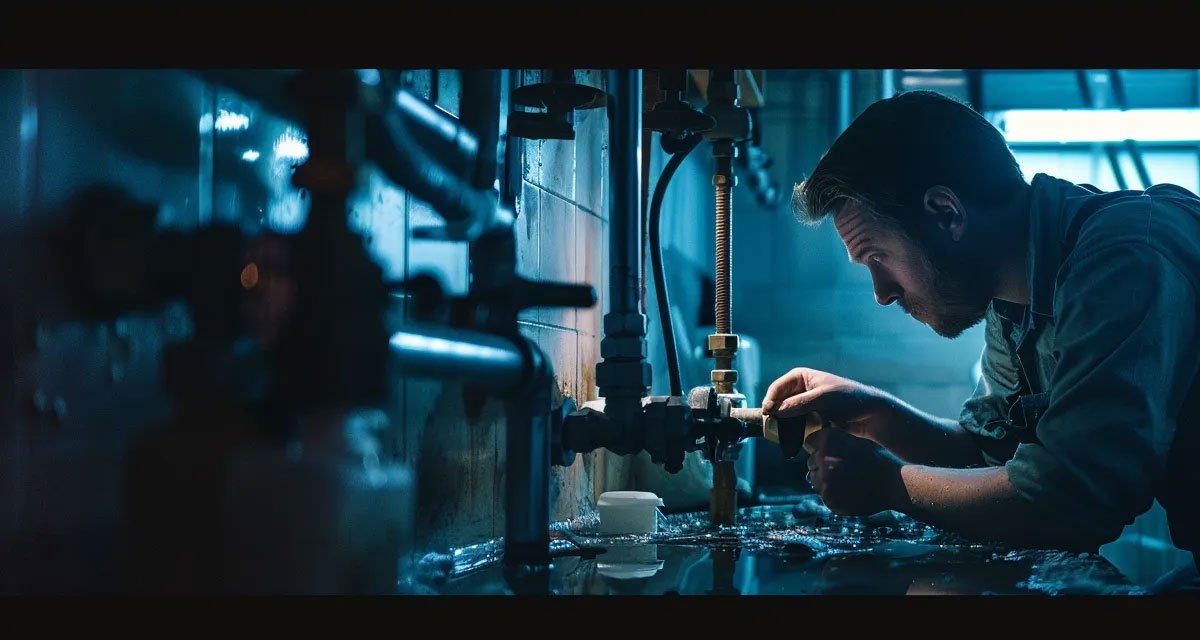
Emergency Plumber Near Me for Urgent Situations
Emergency plumbers are equipped to handle urgent plumbing issues that pose immediate risks to your home and family. Such situations might include severe leaks, burst pipes, or flooding risks that could compromise indoor air quality monitoring systems. Emergency plumbers are available 24/7, ensuring that they can quickly address problems that could lead to significant damage or create unsafe living conditions.
For instance, if a pipe bursts in the middle of the night, causing water to flood your living space, reaching out to an emergency plumber is your best option. They can rapidly mitigate the damage and prevent further complications, such as hazardous material disposal issues with contaminated water. When searching for a reliable option, you might consider using a service like Plumber Near Me to find an emergency plumber in your area.
Regular Plumber Services for Routine Maintenance
Regular plumbers focus on non-urgent, routine maintenance tasks that help prevent future emergencies. Their services include scheduled check-ups, upgrades, and installations—such as radiant floor heating installation—that enhance the functionality and efficiency of your home’s plumbing system. Regular maintenance can play a significant role in improving energy efficiency audit results, ensuring your plumbing systems are running smoothly and economically.
For example, a regular plumber can perform a comprehensive check to ensure compliance with homeowner association regulations, addressing minor issues before they escalate into emergencies. This proactive approach not only saves money but also ensures that your plumbing system adheres to universal design principles, making your home accessible for everyone.
Key Differences Between Emergency and Regular Plumbers
The primary distinction between emergency and regular plumbers lies in their availability and the nature of services they offer. Emergency plumbers are accessible at all hours, focusing on acute, high-risk situations that require immediate action. Regular plumbers, on the other hand, work within standard business hours, offering services aimed at long-term care and efficiency improvements.
Additionally, emergency plumbers often have specialized equipment and training for disaster preparedness planning, allowing them to tackle severe plumbing issues under pressing conditions. Regular plumbers, however, excel in tasks like ergonomic furniture assessment related to plumbing fixtures, ensuring they are optimally designed for comfort and efficiency.
How to Decide Which Plumber to Call First
Deciding whether to contact an emergency or regular plumber largely depends on the severity and urgency of the issue at hand. If you face a sudden and severe plumbing problem that threatens your home’s safety or structural integrity, an emergency plumber should be your first call. Consider the implications of water damage, potential mold growth affecting feng shui consultation, and the need for immediate childproofing compliance to prevent accidents.
For less urgent issues, such as slow drains or minor leaks, a regular plumber can provide a cost-effective solution. Evaluating the condition using property maintenance management software can help you decide the urgency of the situation, ensuring you choose the right professional for your needs.
Conclusion

Understanding the differences between emergency and regular plumbers equips homeowners to make informed decisions during plumbing crises. Emergency plumbers are essential for immediate, high-risk situations, while regular plumbers maintain the health of your plumbing system through routine care. Prioritizing appropriately ensures your home’s plumbing remains efficient and safe, providing peace of mind for you and your family.