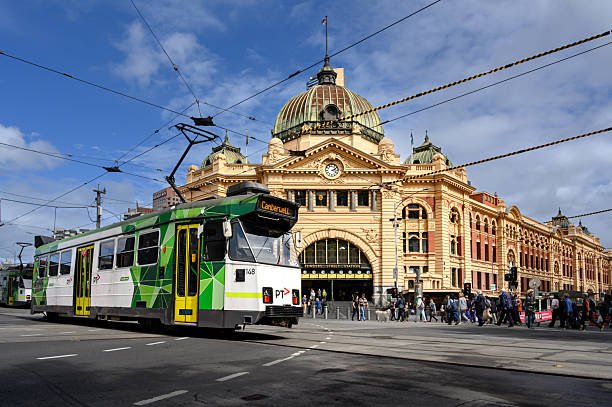
Australia is the world’s sixth-largest country, known for its diverse landscapes ranging from tropical rainforests and white-sand beaches to deserts and modern coastal cities. Home to iconic attractions like the Sydney Opera House and the Great Barrier Reef, Australia attracts millions of international visitors every year for its outdoor lifestyle, wildlife, and luxury travel experiences.
Many travelers searching for Australia luxury tour FAQs want better clarity on visas, transportation, safety, costs, and the best destinations before planning their trip. Understanding these common travel questions can help tourists avoid confusion, plan more efficiently, and enjoy a smoother and more comfortable Australian travel experience.
Here are 7 common Australia travel questions every tourist should know before planning their journey:
1. What Is the Best Time to Visit Australia?
The best time to visit Australia depends on the regions you plan to explore. Generally, spring (September to November) and autumn (March to May) offer pleasant weather and comfortable travel conditions.
Summer in Australia runs from December to February and can become extremely hot in some areas. Winter months are ideal for exploring northern regions like Queensland, where temperatures remain mild and enjoyable.
Planning according to weather conditions can help you get the most out of your trip.
2. Do You Need a Visa to Visit Australia?
Most international travelers need a visa or electronic travel authorization before entering Australia. The visa process is usually straightforward and can often be completed online.
Travelers should check visa requirements well in advance to avoid delays. Make sure your passport is valid for the duration of your trip and keep copies of important travel documents for added security.
3. Is Australia Expensive for Tourists?
Australia can be expensive compared to some travel destinations, especially in major cities like Sydney and Melbourne. Accommodation, dining, transportation, and attractions may cost more than expected.
However, travelers can still manage costs by booking early, using public transportation, and choosing budget-friendly accommodations. Luxury travelers often research Australia tour FAQ guides to better understand pricing and travel expectations before booking premium experiences.
4. What are the Must-Visit Places in Australia?
Australia offers countless attractions for visitors. Popular destinations include Sydney, Melbourne, the Great Barrier Reef, Gold Coast, Uluru, and Tasmania.
Nature lovers can explore national parks, beaches, rainforests, and wildlife reserves. Adventure travelers can enjoy surfing, snorkeling, hiking, and road trips across scenic coastal routes.
Each region offers unique experiences, making Australia a diverse and exciting destination for travelers.
5. Is Australia Safe for Tourists?
Australia is generally considered a safe country for tourists. Major cities are well-developed, and tourism infrastructure is excellent.
However, travelers should still take normal safety precautions, such as protecting valuables, staying aware of surroundings, and following local guidelines when visiting beaches or wildlife areas.
It is also important to stay hydrated and protect yourself from strong sun exposure, especially during summer months.
6. How Do Tourists Get Around Australia?
Australia is a large country, so transportation planning is important. Domestic flights are commonly used for long-distance travel between cities and regions.
Within cities, public transportation systems including trains, buses, and trams are reliable and convenient. Many travelers also choose rental cars for scenic coastal drives and regional exploration.
Careful transportation planning can save both time and money during your trip.
7. What Should You Pack for an Australia Trip?
Packing depends on the season and destinations you plan to visit. Comfortable clothing, sunscreen, sunglasses, walking shoes, and lightweight layers are essential for most travelers.
If you plan outdoor activities, pack swimwear, hiking gear, and insect repellent. Travelers visiting multiple regions may experience different climates, so flexible clothing options are helpful.
Key Takeaways
- Australia offers diverse travel experiences for all types of tourists.
- Spring and autumn are popular seasons for comfortable travel.
- Most travelers need a visa before entering Australia.
- Major cities and attractions can be expensive without proper planning.
- Australia is generally safe, but normal travel precautions are important.
- Transportation options include flights, public transit, and rental cars.
- Packing smartly helps travelers adapt to different climates and activities.