


A corporate event takes months to plan. The venue, the speakers, the logistics, the attendee experience — all of it comes together in a window of a few hours that, once closed, can’t be reopened. What remains after that window closes is whatever documentation was created during it. For most organizations, that means photos — and the quality of those photos determines how the event lives on in marketing materials, internal communications, press coverage, and the institutional memory of everyone who wasn’t there.
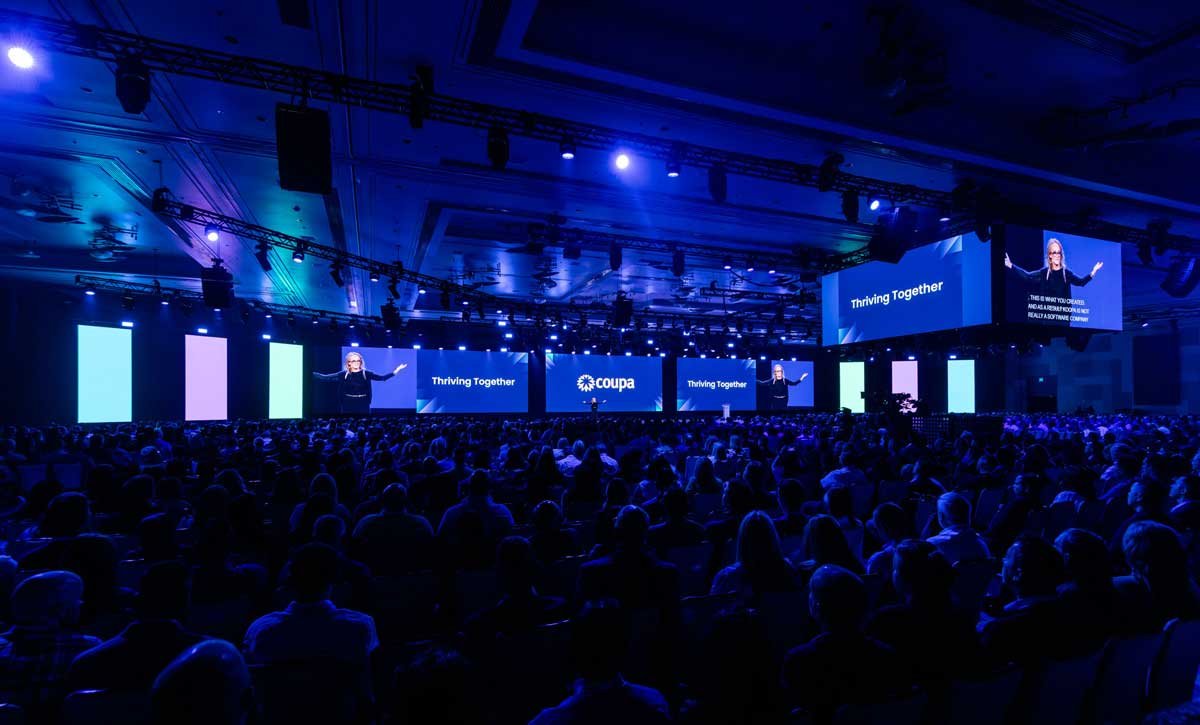
This is the part of event planning that consistently gets less attention than it deserves until it’s too late to change. Organizations that spend significant budgets on venue, catering, production, and speaker fees sometimes approach photography as an afterthought — something to handle with whoever’s available, or whoever charges the least, or whoever can be briefed on the morning of the event. The results reflect that approach exactly.
Professional corporate event photography requires a specific skill set that’s different from portrait photography, product photography, or any other commercial discipline. The environment is uncontrolled, the subjects are moving, the lighting is usually challenging, and there’s no second take. www.gornphotoheadshots.com covers corporate event photography alongside headshot work — GornPhoto brings the same technical standards and professional approach to event coverage that makes the headshot work reliable.
What Corporate Event Photography Actually Needs to Capture
The brief for corporate event photography is more complex than it might initially appear. The obvious deliverables are there — keynote speakers at the podium, panel discussions, networking moments, the room at capacity. But the images that actually get used — in press releases, on the website, in the recap deck, in next year’s event marketing — tend to be the ones that capture something more specific than just the event happening.
Candid moments between attendees that convey energy and engagement. Reaction shots from the audience during a speaker’s key point. The specific detail of a sponsor’s branding integrated naturally into the environment. Leadership interacting with clients or employees in a context that looks genuine rather than staged. These are the images that do work after the event ends — that make someone who wasn’t there wish they had been, or confirm to someone who was there that it was worth attending.
Getting those images requires a photographer who understands the event’s purpose well enough to anticipate the moments before they happen — who knows when to be near the stage and when to be in the crowd, when to work close and when to pull back for context, when a formal posed shot serves the client better than a candid one. That kind of editorial judgment can’t be improvised on the day. It comes from experience with how corporate events unfold and what organizations actually need from the coverage when the editing is done.
The logistical dimension is equally important. https://www.gornphotoheadshots.com/corporate-event-photography who creates friction — who needs constant direction, who interrupts conversations to set up shots, who isn’t self-sufficient in an unfamiliar environment — adds to the overhead of running an already complex event. The best corporate photographers are largely invisible during the event itself. They navigate the room independently, work around the schedule without needing to be managed, and deliver a complete set of images that covers the event comprehensively without anyone on the organizing team having to think about it.
What the Images Need to Do After the Event
Corporate event photography has a longer useful life than most clients anticipate when they’re booking it. The immediate use cases are clear — social media posts during and after the event, internal communications, press coverage. But the images also feed into longer-term marketing assets.
Next year’s event invitation uses this year’s photos to establish credibility and atmosphere. Thought leadership content features speakers in contexts that show them engaging with a real professional audience rather than posing in a studio. Recruitment materials use event images to convey organizational culture in a way that stock photography can’t replicate. Client-facing presentations include images that demonstrate the organization’s reach and activity in its industry.
Images that serve all of these purposes need to be technically strong enough to hold up at large sizes, compositionally considered enough to work in a range of formats, and diverse enough in subject and perspective to cover the full range of eventual uses. That’s a different brief from “get some photos of the event” — and it’s the brief that determines whether the photography investment actually pays off over time.
GornPhoto handles corporate event coverage in New York and on location, with the technical and interpersonal skill set that uncontrolled professional environments require. For organizations that want event photography that does more than document what happened — that produces images actually worth using — the difference between treating it as an afterthought and treating it as a priority shows up immediately in the results.
You Might Also Like...
 Cost to Replace Windows: A Comprehensive Guide to Pricing, ROI, and Options
 Social Media Marketing Services vs SEO: Which Should You Invest In First?
 Sinkom Explained: The Complete Guide to Smart Integration, Coordination, and Innovation
 Image Upscaler & AI Avatars: Transforming Blurry Photos into Intelligent Digital Identities
