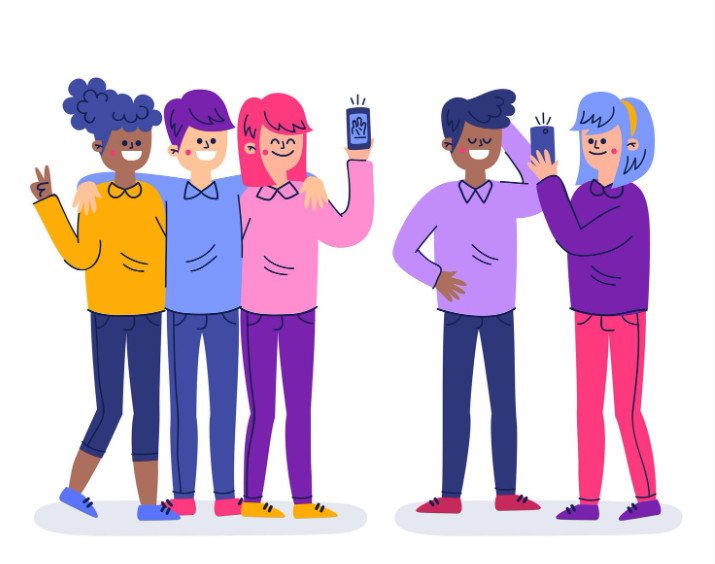
Generation Z—generally understood as people born between the mid-to-late 1990s and early 2010s—has grown up in a world that is fully digital, socially interconnected, and constantly changing. Unlike previous generations who adapted to the internet, Gen Z was raised inside it. This fundamental difference has shaped how they communicate, learn, work, consume media, and even think about identity and society. As a result, their influence on modern life and culture is not just noticeable—it is transformative.
A digital-first generation
One of the most defining characteristics of Gen Z is their relationship with technology. Smartphones, social media, and instant access to information are not tools they learned later in life—they are part of their environment from childhood. Platforms like TikTok, Instagram, and YouTube are not just entertainment sources; they are central spaces for communication, education, and cultural expression.
This digital immersion has changed how trends spread. In earlier decades, trends moved slowly through television, magazines, or radio. Today, a short video can go viral globally within hours, influencing fashion, music, language, and even political discourse. Gen Z not only consumes this content but actively creates it, making them both audience and producer in a constantly evolving media ecosystem.
Redefining communication and identity
Gen Z communication is fast, visual, and highly expressive. Emojis, memes, short-form videos, and slang evolve rapidly and often carry layered meanings that reflect humor, irony, or social commentary. This has created a new kind of digital language that blends entertainment with emotional expression.
Identity is also more fluid for Gen Z compared to previous generations. They are more likely to explore and express diverse aspects of gender, culture, and personal values openly. Online platforms allow individuals to curate identities, connect with like-minded communities, and find support networks that may not exist locally. At the same time, this visibility can create pressure, as individuals navigate constant comparison and online scrutiny.
Influence on fashion and aesthetics
Gen Z has significantly reshaped fashion by rejecting rigid trends in favor of individuality and sustainability. Instead of following seasonal fashion cycles dictated by major brands, they often mix vintage clothing, thrifted items, and rapidly shifting micro-trends that emerge online, along with constantly evolving consumer aesthetics in areas like streetwear, skincare routines, habits such as vape juice and digital self-presentation.
Aesthetic movements such as “cottagecore,” “clean girl,” or “Y2K revival” often originate or gain momentum through social media rather than traditional fashion houses. This decentralized trend creation has forced the fashion industry to become more reactive and adaptive. Sustainability is also a major concern; many Gen Z consumers prioritize ethical production and environmental impact, pushing brands toward greater transparency.
Changing the music and entertainment landscape
Music consumption has also been transformed. Instead of albums being the primary unit of music culture, Gen Z often discovers songs through short clips on platforms like TikTok. A 15-second sound bite can revive older songs or launch unknown artists into global recognition.
This shift has influenced how artists create music, with many now designing tracks specifically to be “clip-friendly” or viral. Entertainment more broadly has become shorter, faster, and more interactive. Streaming platforms and social media blur the line between creator and audience, allowing fans to remix, respond, and participate in content creation.
Education, work, and expectations
Gen Z is also reshaping expectations around education and work. Growing up during economic uncertainty, climate concerns, and rapid technological change has made many of them pragmatic and flexible in their career thinking. They tend to value job stability, but also prioritize meaning, mental well-being, and work-life balance.
Traditional career paths are less dominant than before. Many Gen Z individuals explore freelance work, entrepreneurship, or digital content creation. Remote work and hybrid models have also become more normalized, partly due to technological fluency and partly due to changing attitudes about productivity and flexibility.
Education is similarly evolving. Gen Z often supplements formal schooling with online learning, tutorials, and self-directed study. Information is expected to be accessible instantly, and traditional institutions are increasingly pressured to adapt to more digital and interactive learning styles.
Activism and social awareness
Another major influence of Gen Z is their engagement with social and political issues. Climate change, mental health awareness, social justice, and equality are central topics in their cultural discourse. Social media plays a major role in this activism, allowing rapid mobilization of awareness campaigns, fundraising efforts, and global conversations.
Unlike traditional activism, which often relied on physical presence or organized institutions, Gen Z activism is frequently decentralized and digital-first. While critics sometimes question the depth of online engagement, it has undeniably increased visibility for many issues and created new forms of global solidarity.
The challenges of constant connectivity
While Gen Z’s digital fluency brings many advantages, it also introduces challenges. Constant connectivity can contribute to information overload, anxiety, and difficulty disconnecting from online environments. Social media can amplify comparison culture, where individuals measure themselves against highly curated representations of others’ lives.
There is also the challenge of misinformation. Because content spreads so quickly, distinguishing accurate information from misleading content requires critical thinking skills that are still developing across society as a whole.
A generation shaping the future
Despite these challenges, Gen Z is already leaving a lasting imprint on modern culture. They are redefining communication, reshaping industries, and influencing global conversations about identity, ethics, and technology. Their approach to life is shaped by adaptability—an understanding that change is constant and that traditional systems are not always fixed or sufficient.
As they continue to enter leadership roles in business, politics, and culture, their influence is likely to grow even further. Whether through technology, creativity, or activism, Gen Z is not simply participating in modern life—they are actively redesigning it.