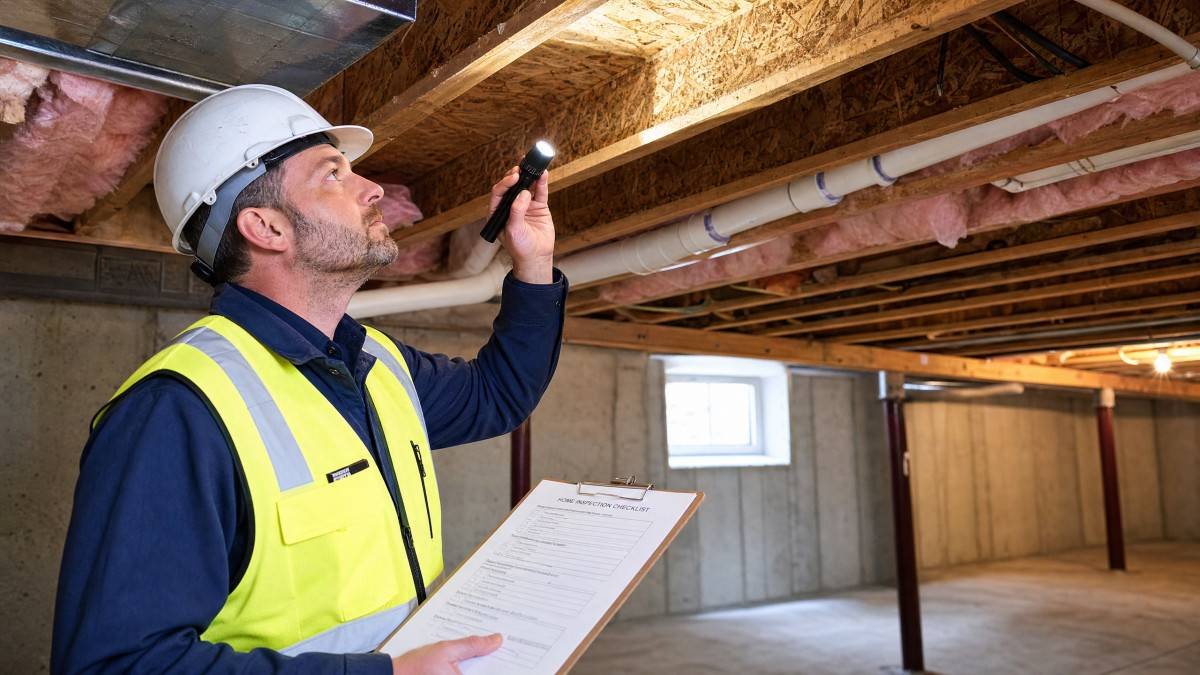
Understanding the Pre-Listing Inspection
A pre-listing home inspection is a proactive measure undertaken by sellers to assess their property’s condition before listing it on the market. This comprehensive evaluation, performed by a certified professional, aims to uncover any structural, mechanical, or safety issues that could deter potential buyers or lead to complications during the sales process. By identifying these concerns early, sellers gain valuable insights into their home’s true state.
The primary goal of a pre-listing inspection is to provide transparency and empower the seller with information. Unlike a buyer’s inspection, which often occurs after an offer is accepted, a pre-listing inspection puts the seller in control. This allows them to address any identified deficiencies on their own terms, whether through repairs, replacements, or by disclosing them upfront to prospective buyers. This upfront knowledge can significantly reduce stress and uncertainty later in the transaction.
Furthermore, understanding the condition of the home before listing allows for more accurate pricing. A seller can factor in the cost of necessary repairs or adjust the asking price accordingly, avoiding last-minute surprises that could derail a sale. This transparency also builds trust with potential buyers, as they can see that the seller has taken steps to present the home honestly and thoroughly. It sets a positive tone for negotiations.
Gaining a Competitive Edge
In a competitive real estate market, a pre-listing inspection can provide sellers with a distinct advantage by showcasing their home’s readiness and minimizing potential negotiation points. Presenting a home with a clean bill of health, or with known issues already addressed, signals to buyers that the property is well-maintained and that the seller is transparent, which can lead to stronger offers and a faster sale. This proactive approach distinguishes a property from others on the market.
Buyers often appreciate the peace of mind that comes with a pre-inspected home. They can review the report upfront, understand any existing conditions, and feel more confident in their offer. This reduces the need for them to commission their own inspection, saving them time and money, and streamlining their decision-making process. A transparent seller is often perceived as more trustworthy, fostering a smoother transaction.
According to a study by the National Association of Realtors (NAR), homes with pre-listing inspections tend to sell faster and for a higher percentage of the asking price [1]. This demonstrates the tangible benefit of investing in an inspection upfront. It transforms potential liabilities into assets, allowing sellers to highlight the home’s strengths and proactively manage any weaknesses. This strategic move can significantly impact the overall success of the sale.
Reducing Negotiation Surprises
One of the most significant benefits of a pre-listing inspection is its ability to drastically reduce unexpected negotiation points that often arise from buyer-initiated inspections. By identifying and addressing issues before an offer is made, sellers can prevent buyers from using newly discovered defects as leverage for price reductions or extensive repair requests, leading to a more predictable and favorable negotiation process. This foresight minimizes stressful last-minute concessions.
When a buyer’s inspection uncovers significant problems, it can lead to protracted negotiations, demands for repairs, or even the collapse of the deal. A pre-listing inspection mitigates this risk by allowing the seller to either fix the issues beforehand or disclose them transparently, often with estimates for repair costs. This removes the element of surprise for the buyer, making them less likely to feel blindsided and more willing to proceed with the transaction as planned.
Real estate expert John Smith, a broker with over 20 years of experience, states, “A pre-listing inspection is like getting a sneak peek at the buyer’s playbook. It allows you to address potential concerns on your terms, rather than being forced into costly concessions under pressure.” This expert perspective underscores the strategic advantage sellers gain by proactively managing their home’s condition. It shifts the power dynamic in their favor.
Building Buyer Confidence
A pre-listing home inspection significantly enhances buyer confidence by providing a transparent and detailed account of the property’s condition upfront, which can alleviate concerns and foster a greater sense of trust in the seller. When buyers are presented with a professional inspection report before making an offer, they feel more informed and secure in their decision, often leading to quicker and more decisive purchase commitments. This transparency is a powerful tool in the sales process.
Many buyers are wary of hidden problems that could lead to expensive repairs after closing. A pre-listing inspection addresses these fears directly by revealing any issues and, ideally, demonstrating that the seller has taken steps to rectify them. This level of honesty can differentiate a property in a crowded market, making it more appealing to serious buyers who value peace of mind. It transforms uncertainty into assurance for the buyer.
A survey conducted by the American Society of Home Inspectors (ASHI) found that 84% of homebuyers consider a home inspection to be a crucial step in the homebuying process [2]. By providing this information proactively, sellers align with buyer expectations and demonstrate a commitment to a fair and open transaction. This can translate into stronger offers and a reduced likelihood of deals falling through due to inspection-related anxieties. It’s a strategic move that pays dividends.
Streamlining the Closing Process
By proactively identifying and addressing potential issues before listing, a pre-listing home inspection can significantly streamline the entire closing process, reducing delays and unexpected hurdles that often arise from buyer-initiated inspections. This foresight allows for a smoother transaction from offer acceptance to final closing, benefiting both the seller and the buyer by minimizing stress and accelerating timelines. A well-prepared home moves through the sales pipeline more efficiently.
When a buyer’s inspection uncovers problems, it typically triggers a new round of negotiations, repair requests, and re-inspections, all of which can add weeks to the closing timeline. With a pre-listing inspection, these issues are often resolved or disclosed upfront, eliminating many of these potential delays. The buyer can proceed with greater confidence, and the transaction can move forward without the common inspection-related roadblocks. This efficiency is highly valued by all parties involved.
Furthermore, having a pre-listing inspection report readily available can expedite the appraisal process. Appraisers often consider the condition of the home, and a comprehensive report can provide them with valuable information, potentially leading to a more accurate and timely valuation. This contributes to a faster overall closing, allowing sellers to move on to their next chapter without unnecessary waiting periods. It’s a critical component of a swift sale.
Cost-Benefit Analysis
While there is an upfront cost associated with a pre-listing home inspection, the potential financial and logistical benefits often far outweigh this initial investment, making it a sound strategic decision for many home sellers. The ability to control repair costs, avoid price reductions, and expedite the sale can result in significant savings and a more profitable outcome in the long run. This financial prudence is a key advantage.
Consider the scenario where a buyer’s inspection uncovers a major issue, such as a faulty HVAC system or a damaged roof. The seller might be pressured into accepting a lower offer or paying for expensive, rushed repairs. With a pre-listing inspection, the seller can obtain multiple quotes for repairs, choose the most cost-effective solution, or even perform some repairs themselves. This control over the repair process can save thousands of dollars. It empowers the seller to make informed decisions.
The table below illustrates a comparison of potential outcomes with and without a pre-listing inspection:
| Aspect | Without Pre-Listing Inspection | With Pre-Listing Inspection |
|---|---|---|
| Discovery of Issues | Often during buyer’s inspection, leading to surprises. | Proactive, allowing seller to address issues beforehand. |
| Negotiation Power | Buyer has leverage due to new discoveries. | Seller maintains stronger position, fewer surprises. |
| Repair Costs | Potentially rushed, expensive repairs under pressure. | Controlled repairs, competitive quotes, or DIY options. |
| Closing Timeline | Prone to delays due to renegotiations and re-inspections. | Smoother, faster closing with fewer unexpected hurdles. |
| Buyer Confidence | Lower, due to potential hidden problems. | Higher, due to transparency and addressed issues. |
This comparison highlights how a pre-listing inspection shifts the balance in favor of the seller, transforming potential liabilities into manageable situations. The initial investment is often recouped through a more favorable sale price and a less stressful experience. It’s an investment in a smoother, more profitable transaction.
In conclusion, a pre-listing home inspection is a powerful tool for sellers in today’s real estate market. It provides invaluable insights into a property’s condition, enabling proactive problem-solving and fostering transparency. By reducing negotiation surprises, building buyer confidence, and streamlining the closing process, sellers can achieve a more efficient and financially advantageous sale. This strategic step ultimately empowers sellers to navigate the complexities of the market with greater control and peace of mind.
Frequently Asked Questions
What is a pre-listing home inspection?
A pre-listing home inspection is a comprehensive evaluation of a property’s condition conducted by a certified inspector before the home is officially listed for sale. This proactive step allows sellers to identify and address potential issues, providing a transparent view of the home’s state to prospective buyers and preventing last-minute surprises during negotiations.
How does a pre-listing inspection benefit the seller?
For sellers, a pre-listing inspection offers several advantages, including the ability to make repairs on their own terms, accurately price their home, and reduce the likelihood of renegotiations. It also instills confidence in buyers, potentially leading to quicker sales and smoother transactions by minimizing unexpected findings after an offer is accepted.
Can a pre-listing inspection speed up the selling process?
Yes, a pre-listing inspection can significantly accelerate the selling process. By addressing issues upfront, sellers can avoid delays caused by buyer-requested repairs or further inspections. This transparency often leads to fewer contingencies, stronger offers, and a more streamlined closing timeline, benefiting both the seller and the buyer.
Are there any downsides to getting a pre-listing inspection?
While generally beneficial, potential downsides include the upfront cost of the inspection and the possibility of uncovering significant issues that require costly repairs. However, many real estate professionals argue that these costs are often outweighed by the benefits of increased buyer confidence, better negotiation power, and a smoother transaction process.
References
- National Association of Realtors (NAR)
- American Society of Home Inspectors (ASHI)