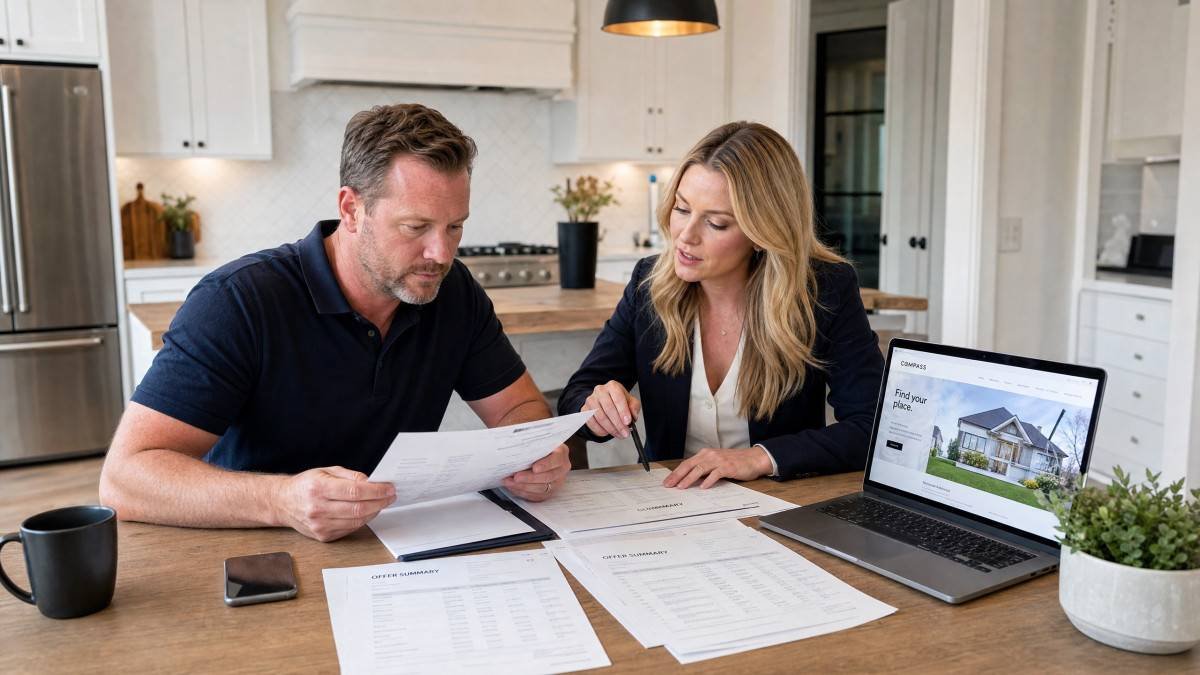
Receiving an offer on your home marks a significant milestone in the selling process, yet accepting the initial proposal without careful consideration can often lead to a less favorable outcome than what could be achieved through strategic negotiation. Understanding the nuances of evaluating, countering, and ultimately negotiating home purchase offers is crucial for sellers aiming to maximize their final sale price and secure advantageous terms. This process involves more than just price; it encompasses contingencies, closing dates, and other critical elements that impact the overall value of the transaction, adds Mcminnville Management.
Understanding the Anatomy of a Home Offer
A comprehensive home offer extends beyond the proposed purchase price, encompassing various critical components such as earnest money deposits, financing contingencies, inspection clauses, and the proposed closing timeline, all of which collectively define the buyer’s commitment and the overall attractiveness of their bid. Sellers must meticulously analyze each of these elements to gain a holistic understanding of the offer’s true value and potential implications for their sale. Overlooking any single detail could lead to unforeseen complications or financial disadvantages down the line.
When a buyer submits an offer, they are presenting a legally binding document that outlines their intent to purchase your property under specific conditions. This document, often referred to as a purchase agreement, details not only the price they are willing to pay but also a multitude of other terms that will govern the transaction. Key components typically include the earnest money deposit, which demonstrates the buyer’s good faith, and the proposed closing date, indicating when they expect to take possession of the home. Each clause within the offer carries weight and can influence the negotiation strategy.
Financing contingencies are a common element, allowing buyers to withdraw their offer without penalty if they cannot secure a loan. Similarly, inspection contingencies grant buyers the right to have the home professionally inspected and request repairs or credits based on the findings. Understanding these clauses is paramount, as they can introduce potential hurdles or delays in the selling process. A strong offer often minimizes these contingencies or sets clear, reasonable deadlines for their removal, providing greater certainty for the seller.
Beyond these standard provisions, offers may also include requests for personal property, such as appliances or window treatments, or specific conditions related to the sale of the buyer’s current home. The presence and nature of these additional terms can significantly impact the overall appeal of an offer, even if the proposed price is high. A seller’s ability to discern the strength and weakness of each component is fundamental to formulating an effective counter-offer strategy. For instance, an all-cash offer with no contingencies, even if slightly below asking price, might be more attractive than a higher-priced offer laden with conditions.
Market conditions also play a pivotal role in shaping the types of offers sellers receive and their subsequent negotiation power. In a seller’s market, where demand outstrips supply, sellers often receive multiple offers and can negotiate from a position of strength, potentially securing terms that are highly favorable. Conversely, in a buyer’s market, sellers may need to be more flexible and accommodating to attract and retain a buyer. According to the National Association of Realtors, homes sold in May 2026 spent an average of 28 days on the market, a slight increase from the previous year, indicating a shifting market dynamic [1]. This trend underscores the importance of a well-informed negotiation approach.
Strategies for Evaluating Multiple Offers
When faced with multiple purchase offers, sellers must move beyond simply comparing the proposed prices and instead adopt a comprehensive evaluation strategy that considers the financial strength of the buyer, the presence and nature of contingencies, the flexibility of closing dates, and any special requests that could impact the transaction’s smoothness and ultimate success. A holistic review ensures that the most advantageous offer, not just the highest bid, is identified and pursued. This careful assessment prevents potential pitfalls and maximizes the seller’s overall benefit.
Receiving multiple offers can be both exciting and overwhelming, but it presents a prime opportunity to select the most favorable terms. The initial step involves creating a clear comparison framework. While the sale price is undeniably a major factor, it should not be the sole determinant. Consider the buyer’s financial qualifications; a pre-approved buyer with a strong lender is generally more reliable than one with only a pre-qualification letter. This financial stability reduces the risk of the deal falling through due to financing issues, offering greater peace of mind to the seller.
Contingencies play a significant role in the risk assessment of each offer. An offer with fewer contingencies, or with contingencies that have shorter timeframes, typically indicates a stronger and less complicated path to closing. For example, an offer waiving the appraisal contingency might be attractive in a rapidly appreciating market, as it signals the buyer’s willingness to cover any gap between the appraised value and the purchase price. Conversely, an offer with numerous or lengthy contingencies, such as a home sale contingency, introduces more variables and potential delays.
Closing dates and flexibility are also crucial, especially if the seller has specific relocation plans or needs to coordinate with the purchase of a new home. Some buyers may offer a quick close, which can be appealing if the seller is eager to move. Others might request a longer closing period or even a lease-back option, allowing the seller to remain in the home for a period after closing. The ideal closing timeline depends entirely on the seller’s individual circumstances and preferences, making it a key point of comparison among offers.
Beyond the standard terms, pay attention to any special requests or personal property inclusions. While some requests, like leaving behind certain appliances, might be minor, others could add significant cost or inconvenience. It’s also wise to consider the buyer’s earnest money deposit; a larger deposit often signifies a more serious and committed buyer, as they have more to lose if they back out of the deal without valid reason. A recent survey by Zillow indicated that nearly 30% of home sales in competitive markets involved multiple offers, highlighting the need for sellers to be prepared for this scenario [2]. This statistic underscores the competitive nature of the current housing market and the strategic advantage gained by understanding how to navigate it effectively.
Finally, consider the buyer’s agent and their reputation. A professional and experienced agent can facilitate a smoother transaction, while an inexperienced or difficult agent could introduce unnecessary friction. While this is a less tangible factor, it can subtly influence the overall experience. Ultimately, the goal is to identify the offer that provides the best combination of price, terms, and likelihood of a successful, stress-free closing, aligning with the seller’s priorities.
Crafting an Effective Counter-Offer
Crafting an effective counter-offer requires a delicate balance of asserting your desired terms while maintaining a cooperative stance, strategically adjusting elements such as price, closing date, contingencies, or inclusions to align with your selling goals without alienating the buyer. This iterative process demands clear communication and a precise understanding of which terms are negotiable and which are non-negotiable for both parties. A well-structured counter-offer can bridge the gap between initial proposals and a mutually beneficial agreement.
Once you have evaluated the initial offer, you may find that certain terms are not entirely to your liking. This is where the counter-offer comes into play, serving as a formal response that proposes modifications to the buyer’s original terms. It’s a critical step in the negotiation dance, allowing you to push for a higher price, a more convenient closing date, or the removal of unfavorable contingencies. The key is to be strategic and realistic in your requests, understanding that every adjustment you make could either bring you closer to a deal or push the buyer away.
When formulating your counter-offer, prioritize the terms that are most important to you. Is it the sale price, the closing timeline, or perhaps the exclusion of certain personal property? Clearly articulate these changes in writing, ensuring that the counter-offer is unambiguous and legally sound. It’s often advisable to counter on only a few key points rather than overwhelming the buyer with a long list of demands. This focused approach demonstrates your seriousness and makes the negotiation process more manageable for both sides.
Consider the market context when deciding how aggressive to be with your counter-offer. In a hot seller’s market, you might have more leverage to demand a higher price or fewer contingencies. Conversely, in a buyer’s market, a more moderate approach might be necessary to keep the buyer engaged. Your real estate agent’s expertise will be invaluable here, as they can provide insights into local market trends and advise on the most effective negotiation tactics. They can help you understand the potential impact of each counter-proposal.
Furthermore, be prepared for the possibility of multiple rounds of counter-offers. Negotiation is often an iterative process, with each party making concessions until a mutually agreeable contract is reached. Maintain open lines of communication through your agent and be ready to compromise on less critical points to secure your primary objectives. A successful negotiation often involves a degree of flexibility and a willingness to meet the buyer partway, fostering a sense of collaboration rather than confrontation. This approach can lead to a smoother transaction and a more positive experience for everyone involved.
Navigating Contingencies and Due Diligence
Successfully navigating the period between an accepted offer and closing involves meticulously managing various contingencies, such as financing, appraisal, and home inspection, each designed to protect the buyer while also presenting potential hurdles for the seller. Proactive communication, clear understanding of deadlines, and a willingness to address reasonable requests are paramount to ensuring a smooth progression through the due diligence phase and ultimately reaching a successful closing. Sellers should prepare for potential renegotiations during this critical period.
Once an offer is accepted, the transaction enters a crucial phase dominated by contingencies and due diligence. The most common contingencies include financing, appraisal, and home inspection. The financing contingency allows the buyer to back out if they cannot secure a loan, while the appraisal contingency protects them if the home appraises for less than the agreed-upon purchase price. The home inspection contingency is particularly significant, as it gives the buyer the right to have the property professionally inspected for defects.
During the home inspection period, buyers often identify issues they want addressed before closing. This can lead to a request for repairs, credits, or a price reduction. Sellers must carefully evaluate these requests, distinguishing between minor cosmetic issues and significant structural or safety concerns. It’s often advisable to address legitimate issues that could impact the home’s value or future marketability, as refusing to do so might cause the buyer to walk away or lead to similar requests from future buyers. Your real estate agent can provide guidance on what is reasonable to concede.
Appraisal contingencies can also be a point of negotiation, especially in markets where home values are rapidly changing. If the appraisal comes in below the purchase price, the buyer’s lender will typically only finance up to the appraised value. This leaves a gap that either the buyer must cover out of pocket, the seller must reduce the price, or both parties must negotiate a compromise. Having a clear understanding of comparable sales in your area can help you anticipate potential appraisal issues and prepare a strategy.
Managing deadlines is critical throughout this phase. Each contingency typically has a specific timeframe within which it must be satisfied or waived. Missing these deadlines can have legal and financial consequences. Your agent will help you track these dates and ensure all necessary documentation and responses are submitted promptly. Proactive communication between all parties—buyers, sellers, agents, lenders, and inspectors—is essential to keep the process moving forward smoothly and to address any issues as they arise, minimizing stress and potential delays. Effective management of these contingencies is key to a successful closing.
The Art of the Final Negotiation and Closing
The final negotiation phase, often occurring just before closing, can involve last-minute adjustments or resolutions to issues uncovered during due diligence, requiring sellers to remain flexible and pragmatic to ensure the deal successfully crosses the finish line. This stage demands careful consideration of minor concessions versus the risk of losing the entire sale, emphasizing the importance of strategic decision-making and effective communication to finalize all terms. Successfully navigating these final hurdles is crucial for a smooth transition of ownership.
Even after all contingencies are removed, the period leading up to closing can still present opportunities for final negotiations or unexpected challenges. Sometimes, issues arise during the final walk-through, where buyers might notice minor discrepancies or damages that were not present during the initial inspection. While these are typically small, they can become deal-breakers if not handled with diplomacy and a willingness to compromise. Sellers should be prepared to address these concerns promptly and reasonably to avoid jeopardizing the sale at the eleventh hour.
Another common scenario involves closing costs. While these are typically outlined in the initial offer, there can be minor adjustments or disagreements that require resolution. Both buyers and sellers have various fees associated with the transaction, and sometimes a small credit from one party to the other can smooth over any friction. For instance, a seller might offer a small credit for a minor repair identified during the final walk-through, rather than undertaking the repair themselves, to expedite the closing process and satisfy the buyer.
Effective communication between all parties remains paramount during this final stretch. Your real estate agent will act as a crucial intermediary, relaying messages and facilitating solutions. It’s important to trust their guidance and remain calm, even if unexpected issues surface. Panicking or becoming overly rigid can quickly derail a deal that is otherwise on track. A pragmatic approach, focusing on solutions rather than problems, is often the most effective strategy to ensure a successful closing.
Ultimately, the goal of the final negotiation is to ensure that both buyer and seller feel satisfied with the terms and that the transaction can proceed to a smooth closing. This might involve making minor concessions that, in the grand scheme of the sale, are insignificant but can make a big difference to the buyer’s perception and willingness to proceed. A successful closing is not just about the money; it’s about a positive experience for everyone involved, setting the stage for a smooth transition of property ownership and avoiding potential legal disputes down the line.
Common Pitfalls to Avoid in Home Offer Negotiation
Navigating home offer negotiations successfully requires sellers to be aware of and actively avoid several common pitfalls, including becoming overly emotional, underestimating the importance of clear communication, failing to understand the buyer’s motivations, and neglecting to properly vet all aspects of an offer beyond just the price. Sidestepping these traps can significantly enhance a seller’s ability to secure a favorable deal and ensure a smoother, less stressful transaction process. Strategic foresight is key to a successful outcome.
One of the most significant pitfalls sellers encounter is allowing emotions to dictate their negotiation strategy. Selling a home can be a deeply personal and emotional experience, but making decisions based on sentiment rather than sound business judgment can lead to missed opportunities or unfavorable outcomes. It’s crucial to maintain a detached, objective perspective throughout the process, focusing on the financial and practical aspects of each offer. Your real estate agent can serve as a valuable buffer, helping to keep emotions in check and providing objective advice.
Another common mistake is failing to communicate clearly and promptly. Delays in responding to offers or counter-offers can signal a lack of seriousness or interest, potentially causing buyers to lose patience and move on to other properties. All communications should be precise, unambiguous, and in writing, especially when dealing with legal documents like purchase agreements and counter-offers. Misunderstandings due to vague language can lead to disputes and even the collapse of a deal, underscoring the need for meticulous attention to detail.
Sellers often focus solely on the highest price, overlooking other critical terms that can significantly impact the overall value and success of the sale. An offer with a lower price but stronger terms—such as fewer contingencies, a larger earnest money deposit, or a flexible closing date—might ultimately be more advantageous than a higher-priced offer laden with conditions. It’s essential to evaluate the entire package, not just the headline number, to determine the true strength and reliability of an offer.
Underestimating the buyer’s motivations or failing to understand their perspective can also be detrimental. A buyer might have specific needs, such as a tight moving timeline or a desire for certain repairs, that, if addressed, could make their offer more appealing despite other perceived weaknesses. By trying to understand what drives the buyer, sellers can tailor their counter-offers to meet those needs, fostering a more collaborative negotiation environment. This empathetic approach can often unlock solutions that benefit both parties and expedite the closing process.
Finally, neglecting to properly vet the buyer’s financial qualifications is a serious oversight. Accepting an offer from a buyer who is not truly pre-approved or who has a shaky financial background can lead to significant delays or even the ultimate failure of the sale. Always ensure that the buyer has provided solid proof of funds or a strong pre-approval letter from a reputable lender. A thorough vetting process at the outset can save considerable time, effort, and potential heartbreak down the line, ensuring that the accepted offer has a high probability of closing successfully.
Frequently Asked Questions (FAQ)
What is earnest money and why is it important?
Earnest money is a deposit made by the buyer to the seller, demonstrating the buyer’s serious intent to purchase the property. It is typically held in an escrow account and becomes part of the down payment or closing costs if the sale goes through. If the buyer backs out of the deal without a valid reason (as defined by contingencies), the seller may be entitled to keep the earnest money. A larger earnest money deposit often signals a more committed buyer and can make an offer more attractive to a seller.
How do I handle low-ball offers?
Receiving a low-ball offer can be frustrating, but it’s important to respond strategically rather than emotionally. You can choose to ignore it, decline it outright, or, more commonly, issue a counter-offer. A counter-offer allows you to propose terms closer to your expectations, potentially initiating a negotiation. Consider the current market conditions and your urgency to sell when deciding how to respond to a significantly lower offer. Sometimes, even a low offer can be a starting point for a successful negotiation.
Should I always counter the highest offer?
Not necessarily. While a high price is appealing, it’s crucial to evaluate the entire offer package, including contingencies, closing dates, and the buyer’s financial strength. An offer with a slightly lower price but fewer contingencies, a larger earnest money deposit, or a more flexible closing date might be more favorable and less risky in the long run. Your real estate agent can help you analyze all aspects of each offer to determine which one best aligns with your selling goals and provides the highest likelihood of a smooth closing.
What if the appraisal comes in low?
If the home appraisal comes in lower than the agreed-upon purchase price, it can create a challenge because lenders typically only finance up to the appraised value. In this situation, several options are available: the buyer can pay the difference in cash, the seller can reduce the sale price to match the appraisal, or both parties can negotiate a compromise. Sometimes, the buyer and seller agree to split the difference. It’s important to discuss these options with your real estate agent to find the best path forward that keeps the deal alive.
References
- National Association of Realtors. (2026, May). Existing-Home Sales Statistics. Retrieved from https://www.nar.realtor/research-and-statistics/housing-statistics/existing-home-sales
- Zillow Research. (2026). Market Report: Multiple Offers. Retrieved from https://www.zillow.com/research/
Successfully negotiating offers on your home is a multifaceted process that extends far beyond simply accepting the highest bid. It demands a strategic approach, a keen understanding of market dynamics, and the ability to evaluate each offer’s comprehensive terms, including contingencies, financing, and closing timelines. By preparing your home effectively, understanding the anatomy of an offer, crafting thoughtful counter-offers, and navigating due diligence with care, you can significantly enhance your chances of securing a favorable sale. Avoiding common pitfalls and maintaining a pragmatic perspective throughout the process will ultimately lead to a smoother transaction and a more satisfying outcome, ensuring you maximize your home’s value and achieve your selling objectives.