Formal events and high-end gatherings are built around communication. Whether it is a corporate function, a diplomatic reception, a gala dinner, or a private event with international guests, the experience depends on people being able to engage naturally with one another. When multiple languages are involved, that experience can quickly become fragmented unless interpreting is handled properly. Interpreting Services are often required.
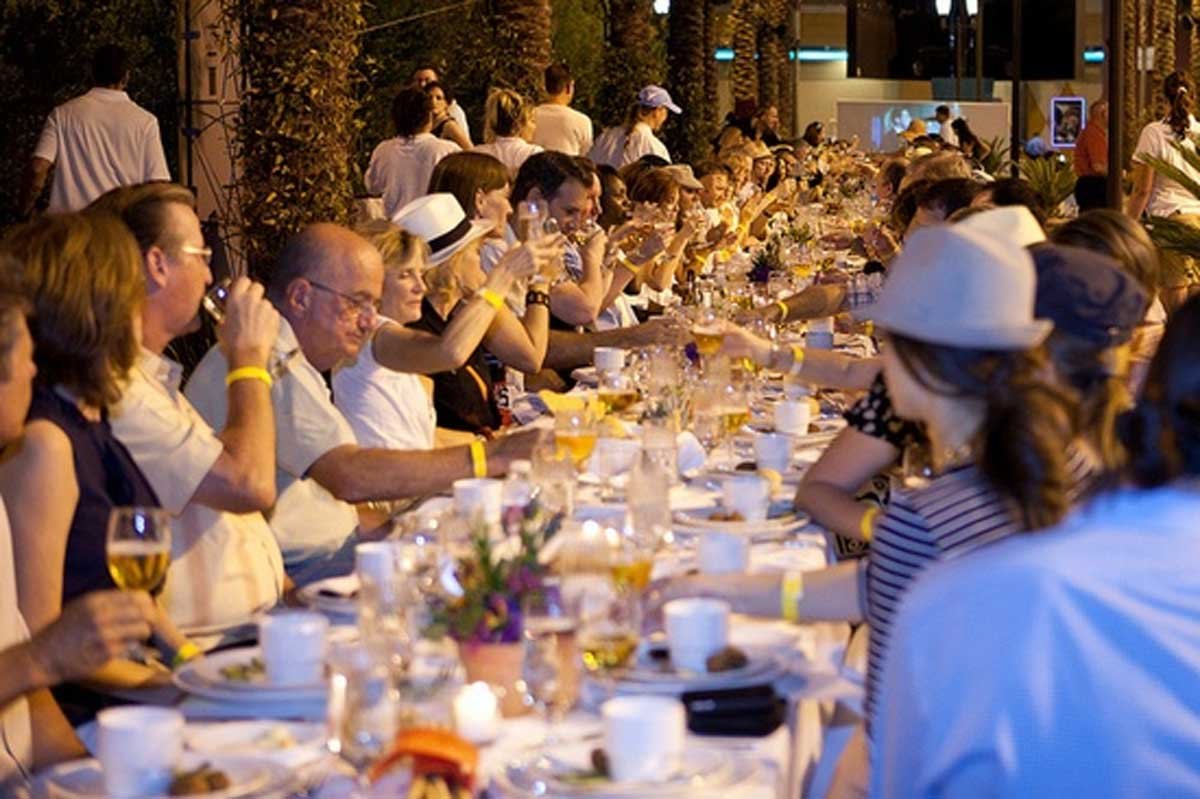
In these settings, interpreters are not just a functional add-on. They shape how smoothly the event runs, how inclusive it feels, and how effectively messages are delivered. The difference between a well-managed interpreting setup and a poorly planned one is often the difference between an event that flows and one that feels disjointed.
One of the first decisions that needs to be made is the mode of interpreting. The two primary approaches used in formal events are simultaneous interpreting and consecutive interpreting. Each serves a different purpose, and choosing the right one depends on the structure of the event and the expectations of the audience.
Simultaneous interpreting is typically used for larger or more structured events, such as conferences, keynote speeches, or formal presentations. In this mode, the interpreter translates the speaker’s words in real time, with only a slight delay. Guests listen to the interpretation through headsets, allowing them to follow the speech as it happens without interruption.
This approach is particularly effective when there are multiple speakers or when the event needs to maintain a consistent pace. It allows the original speaker to deliver their message naturally, without pausing, while ensuring that all attendees can understand what is being said. For events with international audiences, this can significantly improve engagement and overall experience.
Consecutive interpreting, on the other hand, is more commonly used in smaller or less formal interactions. In this mode, the speaker pauses periodically to allow the interpreter to deliver the message. This creates a back-and-forth rhythm that works well in conversations, interviews, or smaller group discussions.
At formal events, consecutive interpreting is often used during networking sessions, private conversations, or situations where a more personal interaction is required. It allows for a more natural exchange between individuals, even if it slightly slows down the conversation. For events where relationship-building is a priority, this approach can be particularly effective.
The choice between simultaneous and consecutive interpreting is not just a technical one. It affects the tone and flow of the event. Simultaneous interpreting tends to feel seamless and unobtrusive, while consecutive interpreting is more visible and interactive. Understanding how each mode influences the atmosphere is an important part of event planning.
For events that use simultaneous interpreting, equipment becomes a critical consideration. The most common setup involves interpreter booths, headsets for the audience, and transmission systems that connect everything together. The booth is where the interpreter works, typically soundproofed to minimize background noise and allow for concentration.
Interpreter booths are usually positioned at the back of the room or in a designated area with a clear view of the stage. Visibility is important, as interpreters rely not only on what they hear but also on visual cues such as body language and presentation materials. In some cases, video feeds are used to ensure that interpreters can see the speaker clearly, even if they are not physically close.
Inside the booth, interpreters use specialized equipment that allows them to listen to the speaker and deliver the interpretation simultaneously. The audio is transmitted to attendees through wireless receivers and headsets. Guests can select their preferred language channel, making it possible to support multiple languages at the same event.
The quality of this equipment has a direct impact on the experience. Poor audio, interference, or unreliable connections can quickly disrupt communication. For high-profile events, investing in professional-grade equipment and experienced technicians is essential. It ensures that the interpreting process remains invisible to the audience, which is exactly how it should feel.
Beyond the technical setup, there are practical considerations around how interpreters are integrated into the event. Preparation is key. Interpreters perform best when they are familiar with the content, the speakers, and the structure of the event. Providing briefing materials, speeches, or presentation slides in advance can significantly improve accuracy and delivery.
Timing is another important factor. For simultaneous interpreting, interpreters typically work in pairs, alternating every 20 to 30 minutes. This is necessary because the cognitive load is high, and maintaining accuracy over long periods requires regular breaks. Planning for this ensures that quality does not decline over the course of the event.
For consecutive interpreting, positioning is critical. The interpreter needs to be close enough to both parties to hear clearly and maintain a natural flow of conversation. In formal settings, this often means standing slightly to the side, allowing the focus to remain on the primary speakers while still facilitating communication.
There is also a human element that should not be overlooked. Interpreters are part of the event experience, even when they are not visible. Their ability to capture tone, humor, and nuance can influence how messages are received. A skilled interpreter does more than translate words—they convey intent, emotion, and context.
At formal events, where tone and presentation matter, this becomes particularly important. A speech that is engaging and persuasive in one language needs to feel the same in another. This requires interpreters who are not only linguistically skilled but also capable of adapting to the style and pace of the speaker.
Another consideration is guest experience. When interpreting is handled well, it feels effortless. Guests can participate fully, follow discussions, and engage with others regardless of language. When it is handled poorly, it becomes a barrier, drawing attention to itself and disrupting the flow of the event.
For hosts and organizers, the goal is to make interpreting as seamless as possible. This means choosing the right mode, investing in appropriate equipment, and working with experienced professionals who understand the demands of live events. It also means thinking about language access from the perspective of the audience, not just as a logistical requirement.
In multilingual settings, inclusion is closely tied to communication. Providing interpreting services signals that all guests are valued and that their participation matters. It allows events to move beyond language barriers and create a shared experience.
Ultimately, using interpreters at formal events is about more than translation. It is about creating an environment where communication flows naturally, where messages are understood as intended, and where every guest can engage fully. When done well, it enhances not just the clarity of the event, but its overall impact.