Most people know Orange County through one lens — theme parks, wealthy zip codes, and reality TV backdrops. What that picture consistently misses is the genuine variety packed into 42 miles of coastline and a string of inland cities that couldn’t feel more different from each other. Beach towns with pirate towers. Urban food halls inside the 1919 citrus packing facilities. Orange County rewards the traveler who crosses its invisible borders. Here’s how to do exactly that.
Start South: San Clemente and the Quiet Coast
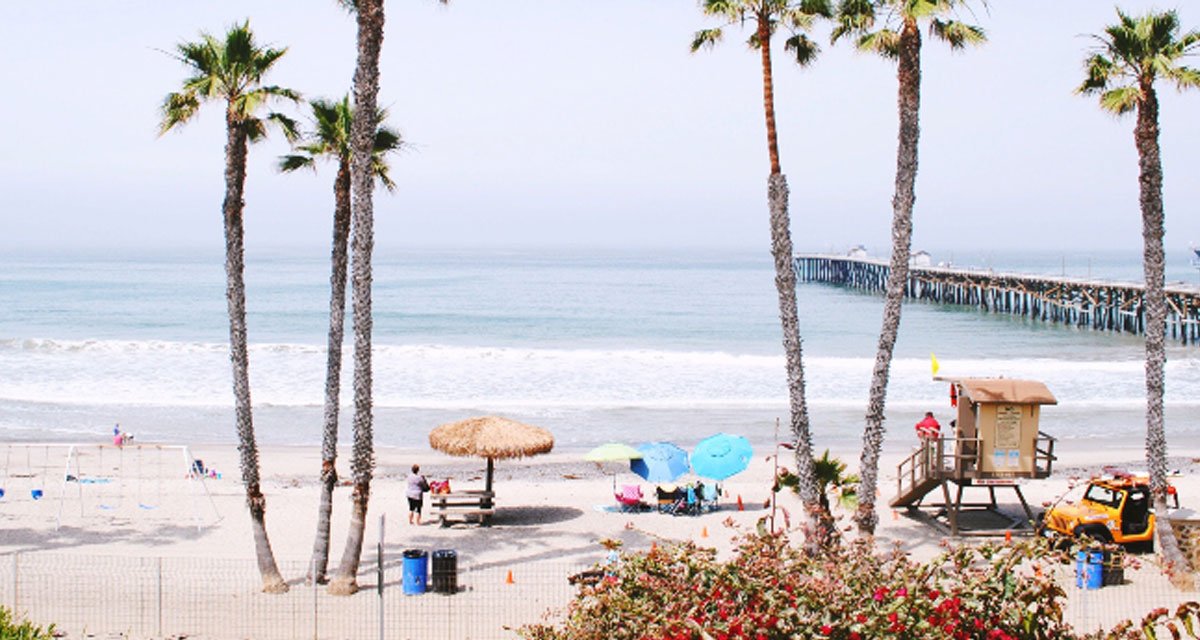
Most coastal itineraries begin in Newport Beach. Start farther south instead, where San Clemente’s Pacific Coast Highway (PCH) enters a long stretch of emptiness, traffic on I-5 thins, and the beaches are less crowded, with some of the best surfing in Southern California.
San Clemente operates at its own unhurried frequency. The Spanish-style architecture along Avenida Del Mar, the main pedestrian street running down to the pier, feels more Mediterranean than Californian. Sidewalk cafés, independent surf shops, and a 1,200-foot fishing pier make it genuinely pleasant to spend a morning with nowhere specific to be. The pier at sunrise, when the surfers are out, and the town hasn’t woken up yet, is one of the quieter pleasures on this stretch of the California coast.
North to Dana Point: Whale Watching Capital and Hidden Luxury
Twenty minutes up the PCH and the character shifts again. Dana Point offers some of the most consistent whale-watching opportunities in Southern California, with sightings possible throughout the year.
The harbor sits beautifully against a backdrop of bluffs. Sportfishing boats, whale-watching departures, and paddleboarders share the water in a way that feels genuinely alive rather than staged for tourists. The Waldorf Astoria Monarch Beach sits above it all, and even non-guests can walk the coastal path running along the resort’s edge for the kind of ocean view that doesn’t require a room booking.
This place is easy to underestimate. Don’t.
Laguna Beach: Art, Tide Pools, and a Pirate Tower
People arrive in Laguna Beach for the beaches and stay for canyon hiking, art gallery hopping, and the marine centers, where visitors often can spend time with injured seals.
The galleries alone justify a half-day. Laguna has maintained a legitimate arts identity since the early 20th century, and the Pageant of the Masters runs every summer, involving actual people recreating famous artworks in a living tableau. It sounds bizarre. It turns out to be extraordinary. Then there’s Victoria Beach. Park along the Pacific Coast Highway, follow Victoria Drive to the steps, and the secluded beach below offers volleyball, tide pools, small caves, and a 60-foot pirate tower.
That detail alone makes Laguna Beach worth the detour.
Newport Beach to Balboa Island: Water, Bonfires, and Frozen Bananas
Newport Beach runs the full spectrum from harbor-front fine dining to bonfires directly on the sand. The beaches here allow evening bonfires right on the sand alongside waterfront shopping at the recently opened luxury destination Lido Marina Village.
Balboa Island, reached by a three-minute ferry from Balboa Peninsula, is its own small world. Golf carts outnumber vehicles. The frozen banana stands have been operating since the 1940s. It’s the kind of place that feels pleasantly suspended in time, and an hour there between coastal stops completely resets the day.
Getting Between the Coast and the City
The full coastal stretch from San Clemente to Newport covers roughly 40 miles, and once you factor in the inland detour to Anaheim and Santa Ana, the geography adds up fast. Plenty of travelers doing this kind of multi-stop day across OC usually book a luxury car service provider early on, so the distances between towns become part of the experience rather than something to manage between stops.
Anaheim: Where Orange County Shifts Gears Entirely
Thirty miles from Laguna Beach and a completely different world. That contrast is the point.
The Anaheim Convention Center is the largest on the West Coast, drawing over a million visitors each year for trade shows, concerts, and large-scale events. The area around it reflects that energy, focused, active, and made for volume, with strong dining, well-placed hotels, and entertainment that stands on its own without a theme park ticket.
Angel Stadium carries baseball through the summer, Honda Center brings in hockey and major tours, and the Grove of Anaheim fills a smaller room with acts that skip larger arenas. Together, they create one of the county’s most concentrated entertainment zones, an easy way to end a full day on a different note.
Santa Ana: The Downtown Orange County Most Visitors Miss
Santa Ana carries the nickname “Downtown of Orange County” and delivers on it with a walkable historic center, street murals, authentic cuisine, and cultural festivals that give it an energy completely distinct from anything on the coast.
The arts district along Downtown Santa Ana’s main corridors and the concentration of independently owned restaurants make it the urban counterweight to everything the beach towns offer. Come here on a weekday evening when the streets belong to locals, and the city reveals a side of Orange County that coastal day-trippers never see.
For anyone flying into the area, John Wayne Airport (SNA) sits right in the heart of Orange County, making it one of the more convenient entry points for a countywide itinerary like this one. A lot of travelers landing here book a SNA car service directly into whichever town starts their day, rather than picking up a rental and immediately dealing with PCH traffic.
The Honest Takeaway
Orange County doesn’t make sense when you try to define it in one place. It reveals itself gradually—quiet coastal mornings, crowded harbors by midday, and inland cities that run on a completely different rhythm. The distance between them is short, but the shifts are immediate. That’s where it becomes interesting. Not in choosing one version of Orange County, but in seeing how many of them fit into a single day.