For most people, dental health isn’t part of their budget until an issue arises. Suddenly, they are faced with a hefty quote that may deter them from pursuing treatment. The fact is, the cost of not treating dental problems can be even higher.
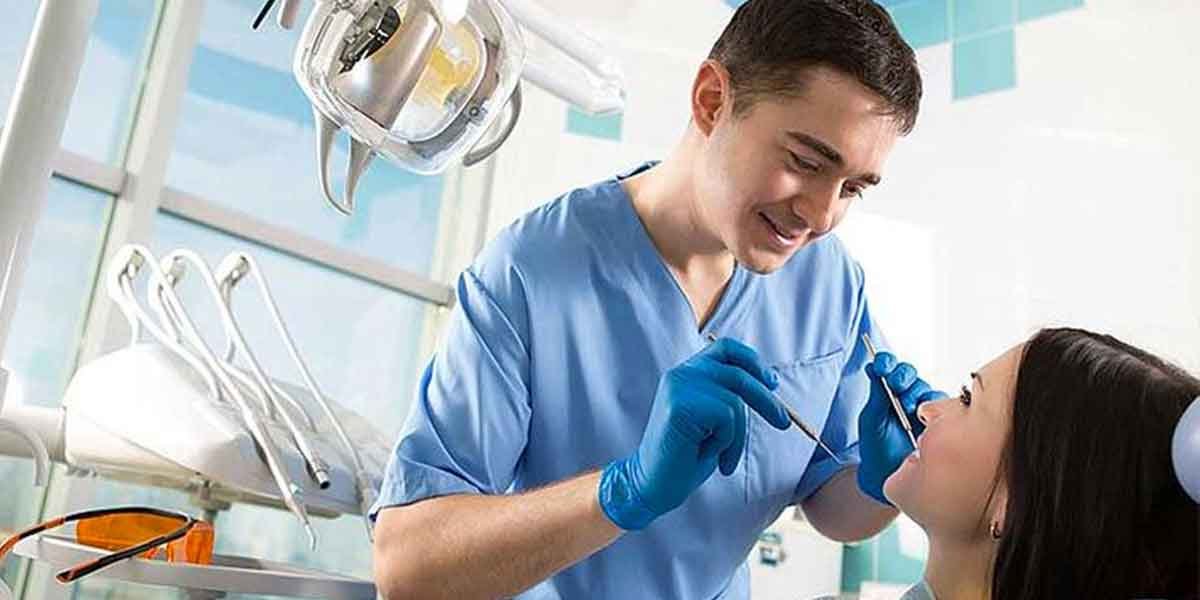
Restorative dentistry encompasses a wide range of treatments, from a simple implant to full-arch rehabilitation. The costs involved go beyond the treatment itself. Knowing what you are paying for can certainly help you make an informed decision.
The health argument for acting early
Losing a tooth not only impacts your appearance, but it also makes eating and talking more challenging. People with missing teeth may feel self-conscious when smiling or avoid social situations. This can lead to a lack of self-confidence and isolation. Dental implants can help restore your smile and improve your quality of life.
When a tooth is lost and not replaced, the surrounding teeth begin to shift in order to fill in the gap, which can lead to changes in your bite and alignment. This can cause difficulty chewing and further tooth loss. Dental implants prevent the surrounding teeth from moving and maintain the structure of your jaw.
Lastly, leaving gaps in your mouth can lead to more serious health issues. Bacteria can easily build up in these spaces, leading to infections, gum disease, and bone loss. Dental implants can help protect your overall oral health and prevent future problems.
Public versus private coverage: the gap people don’t expect
This is the point where many patients feel blindsided. Public healthcare systems prioritize clinical function above aesthetic or holistic results. So, while basic tooth replacement may be provided for specific qualifying circumstances, advanced implant-based solutions are simply out of reach for almost all patients.
For better or worse, most people’s expectations are significantly unmet when they look into full mouth dental implants cost on the nhs, and come to realize the public eligibility is extremely specific, criteria rigid, and the clinical resource gap between what the taxpayer will fund and what they must personally finance is very wide.
This isn’t a glitch in the system – it’s how the system is built to operate. Public funding will support treatments that restore function in volume. Private treatment supports fixing the issue in a way that’s tailored to you as an individual. Understanding where your case fits in helps you plan realistically from the outset.
The preventative-restorative connection
The costliest dental problems often have very humble beginnings. A minuscule cavity can easily lead to decay that makes its way to the pulp. At that point, one needs to secure a root canal. And should the root canal be unsuccessful, you’re looking at extraction. Followed by the choice to either live with that gap, get a bridge, or opt for an implant.
Each phase becomes more expensive than the last. A filling costs less than a crown. A crown costs less than an implant. And so on. The promise of creating solutions while saving money in the short term – quick fixes over lingering issues – is almost never fulfilled. All it does is simply defer the ultimate bigger payment.
Regular brushing and flossing, along with professional dental cleaning, can break this cycle in the beginning. This should be seen not as a health advice but as a shrewd financial move.
What a major dental quote actually includes
The bottom line on a full-arch or large implant case quote is also often higher than anticipated due to pre-op input (like extractions or tissue grafts) and the related lab-grown temporary fittings. They have to be created because the definitive prosthetic isn’t finished until the surgeon’s confident you’ve fully healed. So, plan on a temporary, of sorts, often a less refined but serviceable “flap” or “flipper” especially for single tooth patients.
Building a realistic dental budget
If you’re looking at a significant restorative job, the best step is to receive a detailed written treatment plan before anything gets underway. This plan should outline the order of treatments, estimate the schedule, and give you the cost breakdown for each phase.
Next, see what your health savings or insurance plan can do to help out. Health savings accounts allow you to set aside pre-tax dollars for dental care in places where they’re available. Some offices provide no-interest financing for payments on a 12- or 24-month basis for an entire treatment. This can help you digest a big number without adding to it with interest charges.
The one expense that often does go up if you end up putting off major dental work is the actual cost of the procedure itself. Bone loss continues, for example, remaining teeth shift in order to fill a gap, and gum health decreases. A procedure that would be possible now probably won’t be in a year – you would have to do more preparatory work, at an additional cost.
But dentistry isn’t a luxury. It determines how you eat, communicate, and maintain overall health. The decision to treat it as a financial asset that you should really protect – rather than a bill you can delay – is usually the key that leads people to the right place in the long run.