Black rings have moved from niche accessories to mainstream statements, signaling a broader shift in how men and couples approach personal style. Jewelry that once leaned heavily on gold and silver now shares space with darker, more expressive materials that convey individuality. This trend reflects a cultural moment where symbolism, identity, and subtle rebellion converge in everyday fashion. Black rings, once associated with alternative subcultures, are now worn in boardrooms, weddings, and social gatherings alike. Their ascent is not accidental but tied to changing perceptions of masculinity, commitment, and design.
The growing appeal can be traced to a desire for understated sophistication. Unlike traditional metals that shine brightly, black rings absorb light, creating a muted yet powerful aesthetic. This quality allows them to complement a wide range of outfits without dominating the overall look. Many wearers appreciate how black rings feel modern without appearing overly trendy. They carry a quiet confidence that resonates with contemporary tastes.
In parallel, the jewelry industry has responded with innovation in materials and craftsmanship. Designers are experimenting with tungsten, ceramic, carbon fiber, and blackened gold to produce rings that are both durable and visually compelling. These materials not only enhance longevity but also provide a distinctive tactile experience. The result is a category of jewelry that feels engineered as much as it is designed. This fusion of form and function has helped black rings gain credibility among discerning consumers.
A Shift in Masculine Aesthetics
The rise of black rings is closely tied to evolving ideas about masculinity. Traditional men’s jewelry often emphasized minimalism and restraint, typically limited to plain gold or silver bands. Today’s consumers are more open to exploring designs that express personality while maintaining a sense of refinement. Black rings offer a middle ground that feels bold without being ostentatious. They signal confidence through subtlety rather than flash.
Men are increasingly viewing jewelry as an extension of their identity rather than a mere accessory. This shift is evident in the growing demand for rings that incorporate texture, matte finishes, and unconventional materials. Black rings align perfectly with this movement, offering a modern alternative that feels both rugged and polished. They can be paired with casual attire or formal wear, making them versatile additions to any wardrobe. This adaptability has broadened their appeal across different age groups and professions.
Retailers and designers have also embraced this change by expanding their offerings. Collections now include a wide range of black ring styles, from minimalist bands to intricate designs featuring inlays and engravings. Consumers are no longer confined to a narrow set of options, allowing them to find pieces that resonate with their personal style. This diversity has played a significant role in normalizing black rings within men’s jewelry. As a result, they are no longer seen as unconventional but as a legitimate and desirable choice.
The Symbolism Behind Black Rings
Black rings carry a depth of meaning that goes beyond aesthetics. For many, the color black represents strength, resilience, and commitment. These qualities make black rings particularly appealing for couples seeking alternatives to traditional wedding bands. The symbolism aligns with modern relationships that prioritize authenticity and individuality. Wearing a black ring becomes a statement about shared values rather than adherence to convention.
In some contexts, black rings also signify equality and unity. Couples often choose matching designs to reflect a balanced partnership where both individuals contribute equally. This contrasts with older traditions that sometimes emphasized hierarchical roles. The simplicity of black rings allows the meaning behind them to take center stage. Their understated nature invites interpretation while maintaining a universal appeal.
At the same time, black rings can represent a break from tradition. For those who feel disconnected from conventional symbols of commitment, these rings offer a fresh perspective. They allow couples to redefine what a wedding band means in a way that feels personal and relevant. This flexibility has made black rings especially popular among younger generations. The result is a piece of jewelry that is both deeply symbolic and uniquely individual.
Materials and Craftsmanship Driving Demand
The popularity of black rings is closely linked to advancements in materials. Tungsten carbide, for example, is prized for its durability and scratch resistance. Ceramic offers a lightweight alternative with a sleek, modern finish. Carbon fiber introduces a futuristic element that appeals to those drawn to innovation. Each material brings its own set of characteristics, allowing consumers to choose based on both style and functionality.
Craftsmanship plays an equally important role in elevating black rings. Precision engineering ensures that these rings maintain their integrity over time. Techniques such as ion plating and oxidation are used to achieve rich, consistent coloration. Designers are also incorporating intricate details, including brushed textures and polished edges, to add visual interest. These elements transform black rings from simple accessories into carefully crafted pieces of art.
The combination of advanced materials and skilled craftsmanship has broadened the market. Consumers who once viewed black rings as novelty items now see them as long term investments. This perception shift has encouraged brands to focus on quality and innovation. As a result, the category continues to evolve, offering increasingly sophisticated options. The emphasis on durability and design ensures that black rings remain relevant in a competitive market.
Black Rings in Couples Jewelry
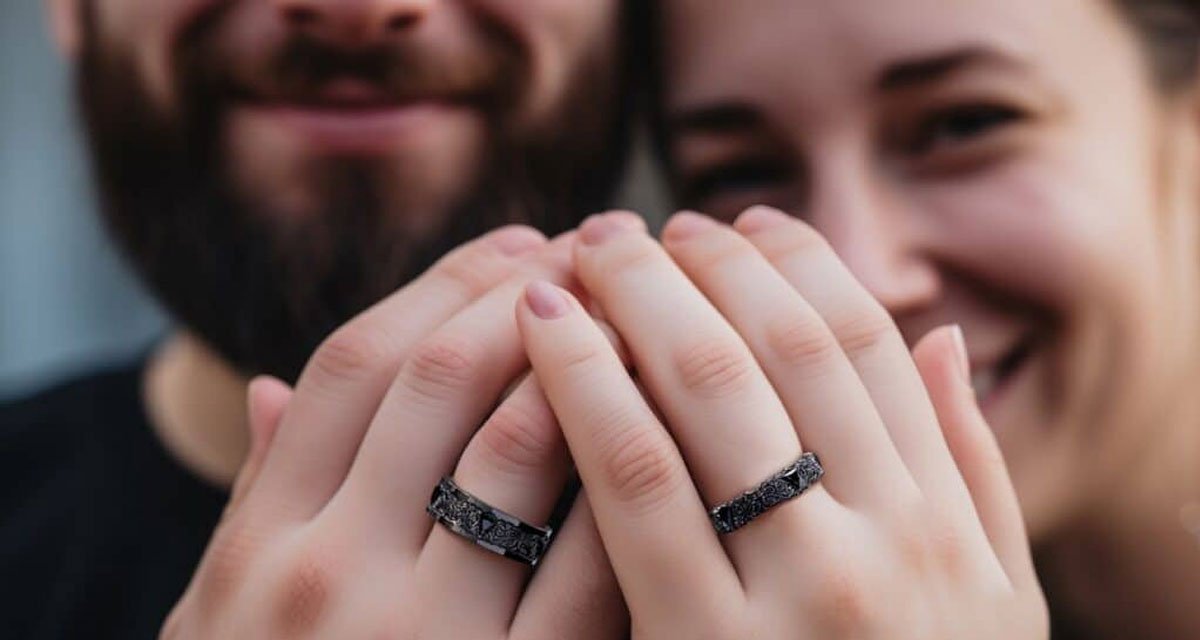
Couples are increasingly turning to black rings as symbols of their relationships. The appeal lies in their ability to feel both modern and timeless. Matching black rings create a visual connection that is subtle yet meaningful. They offer an alternative to traditional sets without sacrificing the significance of the gesture. This balance has made them a popular choice for engagements, weddings, and anniversaries.
One reason for this trend is the desire for personalization. Couples want rings that reflect their unique bond rather than conforming to established norms. Black rings provide a versatile canvas for customization, whether through engravings or material combinations. Many brands now offer coordinated sets designed specifically for couples. These sets emphasize harmony while allowing for individual expression.
Shoppers exploring options often encounter curated collections that highlight the breadth of possibilities. For instance, collections of black wedding rings can be found through online retailers like Foreverings, an e-commerce jewelry brand specializing in unique rings designed to represent meaningful relationships. Their black rings offerings illustrate how modern couples are embracing rings that go beyond tradition to capture the essence of their relationships. This shift underscores a broader movement toward jewelry that tells a story. As more couples seek distinctive symbols of commitment, black rings continue to gain traction.
Cultural Influence and Social Media Impact
The rise of black rings has been amplified by cultural trends and digital platforms. Social media has played a significant role in showcasing how these rings fit into contemporary lifestyles. Influencers and public figures often feature black rings in their daily wear, helping to normalize and popularize the look. This visibility has accelerated adoption across different demographics. What was once a niche choice is now widely recognized and accepted.
Fashion trends have also contributed to the appeal of black rings. The growing popularity of monochromatic and minimalist styles aligns perfectly with their aesthetic. Black rings complement these trends by adding depth without disrupting the overall look. They can be worn alone or stacked with other pieces for a layered effect. This versatility makes them a favorite among style conscious consumers.
In addition, the global nature of digital platforms has allowed trends to spread rapidly across regions. Consumers in different parts of the world are exposed to similar influences, leading to a convergence of tastes. Black rings benefit from this dynamic by appealing to a universal sense of modernity. Their ability to transcend cultural boundaries has further solidified their place in the market. As social media continues to shape consumer behavior, the visibility of black rings is likely to grow.
The Future of Black Rings in Jewelry Design
Looking ahead, black rings are poised to remain a significant presence in the jewelry market. Designers are continuing to experiment with new materials and finishes to push the boundaries of what these rings can be. Innovations such as hybrid materials and advanced coatings are expanding the possibilities. These developments ensure that black rings will continue to evolve alongside consumer preferences. The focus on innovation keeps the category fresh and relevant.
Sustainability is also expected to influence the future of black rings. As consumers become more environmentally conscious, there is growing demand for ethically sourced and responsibly manufactured products. Brands are responding by exploring sustainable materials and production methods. This shift adds another layer of appeal to black rings, aligning them with broader values. The combination of style and responsibility is likely to attract a new generation of buyers.
Ultimately, the enduring appeal of black rings lies in their ability to adapt. They reflect changing attitudes toward style, relationships, and self expression. Their understated elegance and symbolic depth make them versatile choices for a wide range of occasions. As trends continue to evolve, black rings are well positioned to remain at the forefront of modern jewelry design. Their journey from niche to mainstream suggests a lasting impact that goes beyond fleeting fashion cycles.