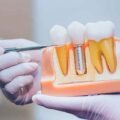
Maintaining oral health is often viewed through the lens of daily hygiene, such as brushing and flossing. While these habits are foundational, a comprehensive approach to dental wellness requires a broader perspective on risk management. Many people wait until they experience pain or a visible fracture before seeking professional intervention. By this stage, the required treatment is often invasive and costly. Shifting the focus from reactive repair to proactive protection is the most effective way to preserve both your natural teeth and your financial stability.
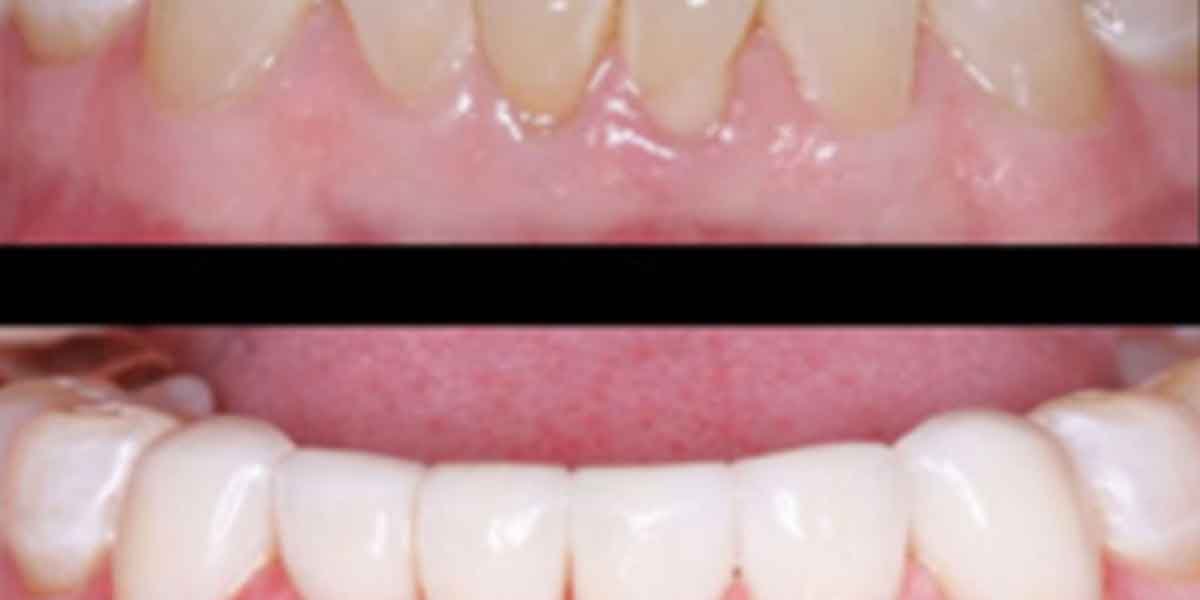
The True Cost of Restorative Dentistry
When a tooth suffers significant structural damage due to trauma or untreated decay, a simple filling is rarely enough to restore its function. A dental crown is the standard solution for reinforcing a weakened tooth. Still, the price of a single unit can range from several hundred to over a thousand dollars, depending on the materials used. Gold, porcelain, and zirconia each come with a high price tag reflecting the lab work and clinical expertise required for a proper fit.
The financial impact does not stop at the initial procedure. Crowns have a limited lifespan and typically require replacement every ten to fifteen years. Furthermore, if the underlying tooth structure continues to degrade, the patient may eventually require a root canal or an extraction followed by a costly bridge or implant. When compared to the nominal cost of preventative tools, these major restorative cycles represent a massive long term drain on a person’s savings.
Protecting Against Nighttime Attrition
One of the most silent yet destructive forces in oral health is nocturnal bruxism, commonly known as teeth grinding. Many individuals are unaware that they spend hours every night clenching their jaws with immense force. This repetitive mechanical stress causes the enamel to thin, leading to tooth sensitivity, gum recession, and eventually, deep vertical cracks that necessitate a crown or extraction.
The most efficient way to interrupt this cycle of destruction is the consistent use of a professional mouthguard during sleep. This device acts as a sacrificial barrier, absorbing the grinding forces and preventing the upper and lower teeth from making direct, abrasive contact. By spending a small amount on a protective appliance now, you effectively shield your molars from the equivalent of years of wear and tear, bypassing the need for expensive structural rebuilds in the future.
Structural Integrity and Fracture Prevention
The human jaw can exert significant pressure, often exceeding two hundred pounds of force on the molars. If a tooth already has a large filling or a minor hairline fracture, a single accidental bite on a hard piece of food can cause the entire structure to split. Once a cusp breaks off, the tooth loses its ability to handle the stresses of chewing, making a crown mandatory to prevent a total loss.
Prevention in this context involves regular diagnostic checkups where a dentist can identify these “stress risers” before they fail. Early intervention might involve a conservative onlay or simply adjusting the bite to redistribute pressure. Being proactive means you are making a choice to reinforce a tooth on your own terms rather than waiting for an emergency that dictates a more expensive and urgent solution.
The Biological Advantage of Natural Teeth
Beyond the financial considerations, there is a biological cost to restorative work. Every time a tooth is prepared for a crown, a significant portion of the natural enamel must be removed to make room for the restorative material. No matter how advanced dental technology becomes, a synthetic crown can never fully replicate the tactile sensation and structural resilience of a healthy, intact natural tooth.
Preserving the original enamel is essential for maintaining the health of the surrounding gum tissue and bone. Artificial restorations can sometimes harbor bacteria at the margins, increasing the risk of secondary decay. By investing in preventative measures, you are choosing to keep your biological “equipment” in its prime state, which is always the most comfortable and reliable option for long term health.
Long Term Financial Strategy for Dental Care
Approaching dental health as an investment involves looking at the “return” on preventative spending. The money spent on biannual cleanings, high quality protective gear, and early diagnostic imaging pays dividends by preventing the need for major oral surgery later in life. It is much easier to budget for routine maintenance than it is to face a multi-thousand dollar emergency bill during a time of financial stress.
A healthy smile is a vital asset that impacts your confidence, your ability to eat a nutritious diet, and your overall systemic health. By prioritizing protection over repair, you ensure that your dental history is defined by stability rather than a series of expensive crises. Choosing prevention is the smartest financial move you can make for your physical well-being.