Your car is more than just a way to get from point A to point B—it’s an investment, a convenience, and for many, a source of pride. Protecting it doesn’t require complicated routines or expensive upgrades, but it does demand consistency and awareness. With a few smart strategies, you can keep your vehicle safe, reliable, and looking its best for years to come.
Prioritize Regular Maintenance
The foundation of car protection starts under the hood. Routine maintenance ensures your vehicle runs efficiently and prevents small issues from becoming costly repairs. Regular oil changes, brake inspections, tire rotations, and fluid checks all contribute to your car’s long-term health.
Ignoring warning lights or unusual sounds can lead to major mechanical problems. By addressing issues early, you not only protect your car but also save money and avoid inconvenient breakdowns. Many workshops rely on auto shop software to track issues early, schedule maintenance reminders, and improve diagnostic accuracy, allowing drivers to prevent unexpected repair costs and keep their vehicles in excellent condition.
Guard Against Environmental Damage
Your car faces daily exposure to the elements—sun, rain, dust, and pollutants can all take a toll on its exterior. Prolonged exposure to sunlight can fade paint, while rain and humidity can lead to rust and corrosion.
Whenever possible, park in shaded areas or use a car cover. Washing your car regularly removes dirt and contaminants that can damage the paint. Applying wax or sealant adds a protective layer that helps preserve your car’s finish.
For those seeking enhanced protection, professional solutions like ceramic coatings or paint protection film can offer long-lasting defense against scratches and environmental wear. If you’re considering this route, consulting experienced paint protection film installers in Salt Lake can help ensure a high-quality application that preserves your vehicle’s appearance.
Keep Your Interior in Top Shape
Protecting your car isn’t just about the exterior. The interior also requires attention to maintain comfort and value. Sun exposure can crack dashboards and fade upholstery, while dirt and spills can cause long-term damage.
Use sunshades when parked to reduce heat buildup and UV damage. Seat covers and floor mats act as barriers against wear and tear. Regular vacuuming and cleaning prevent dirt from embedding into fabrics and surfaces.
A clean interior not only enhances your driving experience but also significantly boosts resale value when it’s time to upgrade.
Invest in Smart Security Measures
Car theft and break-ins are unfortunate realities, but taking precautions can greatly reduce your risk. Always lock your doors and avoid leaving valuables in plain sight. Even small items can attract unwanted attention.
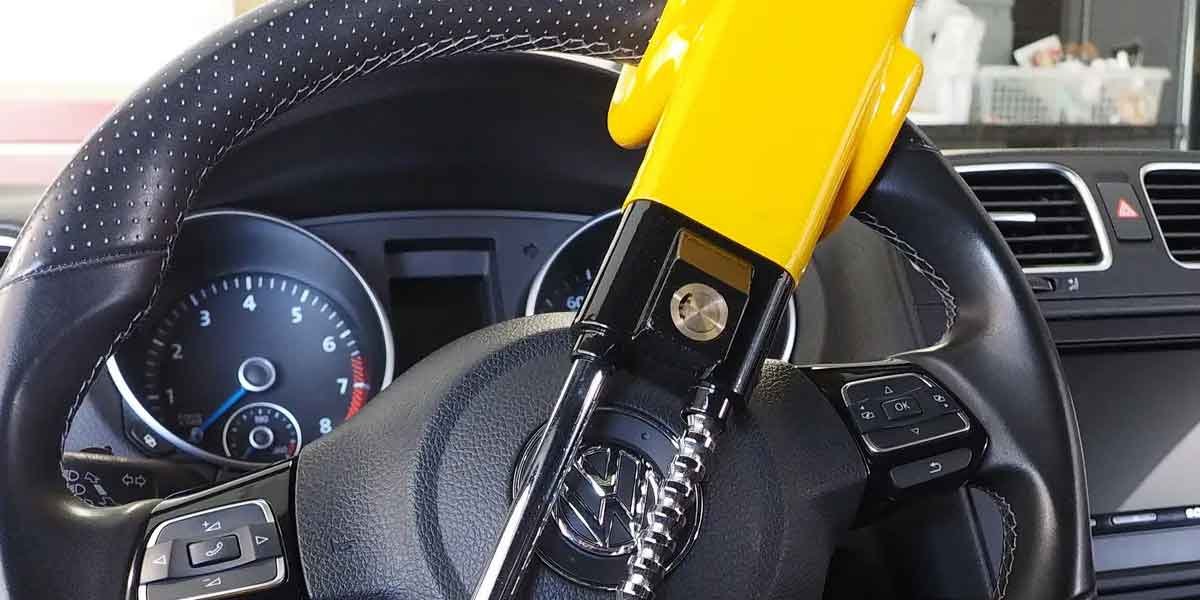
Modern security systems, such as car alarms, steering wheel locks, and GPS tracking devices, provide additional layers of protection. Parking in well-lit, secure areas also deters potential thieves.
If your vehicle is ever stolen, vandalized, or unlawfully accessed, report the incident to local law enforcement right away and consider speaking with a theft crime lawyer to better understand your legal options.
Drive Defensively
One of the most effective ways to protect your car is through your driving habits. Aggressive driving, sudden braking, and speeding increase the risk of accidents and accelerate wear on your vehicle.
Practice defensive driving by staying alert, maintaining a safe following distance, and anticipating the actions of other drivers. Smooth acceleration and braking not only improve safety but also reduce strain on your car’s components.
Being mindful on the road protects both your vehicle and everyone around you.
Store Your Car Properly
If you have access to a garage, use it. Indoor parking shields your car from weather, debris, and potential vandalism. If a garage isn’t available, choose parking spots wisely—avoid areas under trees where sap, bird droppings, or falling branches can cause damage.
For long-term storage, take extra precautions such as disconnecting the battery, inflating tires properly, and using a breathable car cover. These steps help preserve your car during periods of inactivity.
Stay Insured and Prepared
Even with the best precautions, unexpected events can happen. Having comprehensive insurance coverage provides financial protection against accidents, theft, and natural disasters.
Keep important documents updated and accessible. It’s also wise to have an emergency kit in your car, including essentials like a flashlight, jumper cables, and a first-aid kit. Being prepared ensures you can handle unforeseen situations with confidence.
Final Thoughts
Protecting your car doesn’t have to be overwhelming. By combining regular maintenance, smart habits, and proactive measures, you can keep your vehicle safe, efficient, and visually appealing.
Think of it as a long-term commitment—small efforts today can prevent major problems tomorrow. With the right approach, you’ll not only extend your car’s lifespan but also enjoy a smoother, safer driving experience every time you hit the road.