The relationship between landlords and tenants is governed by a framework of rights and responsibilities designed to ensure fair housing practices and clear expectations. Understanding these regulations is crucial for both parties to foster a stable and lawful tenancy says Impact Realty Property Management experts. This guide explores key aspects of rental law, from establishing a tenancy to handling security deposits, maintaining habitable living conditions, and understanding eviction procedures.

Establishing the Tenancy Relationship
The tenancy relationship is established through either a lease agreement or a tenancy-at-will, each defining the duration and terms of occupancy. Understanding the type of agreement and its clauses is fundamental for both landlords and tenants.
A tenancy is primarily established through two main types of agreements: a lease or a tenancy-at-will. A **lease** is a contractual agreement that sets a fixed term for the tenancy, typically one year, during which the rent remains constant and the landlord cannot terminate the tenancy without cause. Conversely, a **tenancy-at-will** has no fixed end date and can be terminated by either party with proper notice, usually 30 days or one month, whichever is longer [1].
Rental agreements must adhere to specific legal requirements and cannot include certain prohibited clauses. For instance, a lease must clearly state the names, addresses, and contact information of the owner and the person responsible for maintenance. It must also detail the tenant’s rights regarding any security deposit paid. Prohibited clauses often include those that require a tenant to pay for ordinary wear and tear repairs, professional cleaning at the end of the lease, or waive their right to sue the landlord for Sanitary Code violations [1].
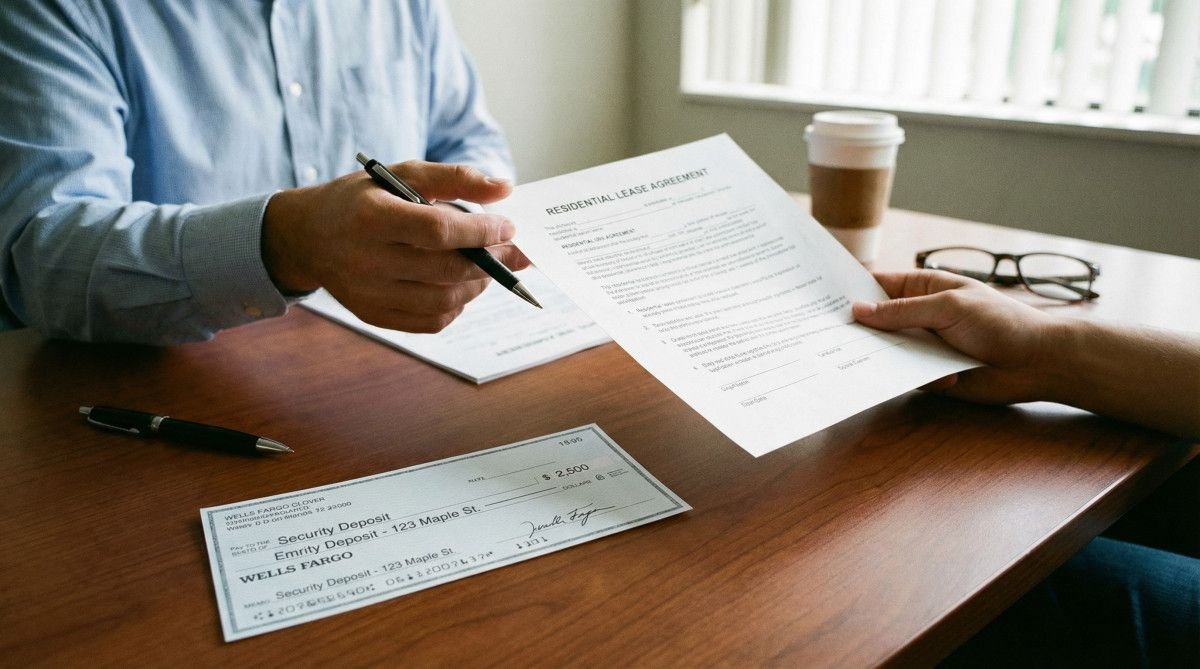
At the commencement of a tenancy, landlords are permitted to collect specific upfront payments. These typically include the first month’s rent, a security deposit (not exceeding one month’s rent), the last month’s rent, and the actual cost of a new lock and key. Landlords are prohibited from charging upfront pet fees, broker fees, or application fees. Receipts must be provided for all cash or money order payments, detailing the amount, date, purpose, and parties involved [1].
Security Deposits and Their Management
Security deposits are financial safeguards for landlords, subject to strict regulations regarding their amount, storage, and return, ensuring tenant protection against misuse.
The management of security deposits is highly regulated to protect both landlords and tenants. A landlord cannot demand a security deposit greater than one month’s rent. All security deposits must be placed in an interest-bearing account in a local bank, separate from the landlord’s personal funds, within 30 days of receipt. The tenant must be informed of the bank’s name, address, and account number. Annually, the landlord must either pay the accrued interest to the tenant or allow them to deduct it from a rent payment [1] [2].
Upon receiving a security deposit or within 10 days of the tenancy’s start (whichever is later), the landlord must provide the tenant with a **statement of condition**. This document details the property’s current state and any existing damages. Tenants have 15 days to review, add to, or amend this statement. Both parties should retain a signed copy [1] [2].
When a tenancy concludes, the landlord must return the security deposit, plus any accrued interest, within 30 days. However, landlords may deduct unpaid rent or costs for damages beyond normal wear and tear. If deductions are made, the landlord must provide an itemized list of damages and estimated repair costs within the same 30-day period [1] [2].
| Aspect | Landlord Responsibilities | Tenant Rights |
|---|---|---|
| Maximum Deposit | Cannot exceed one month’s rent | Protection against excessive deposits |
| Deposit Storage | Interest-bearing account, separate from personal funds | Right to know bank details and receive interest |
| Statement of Condition | Provide within 10 days of tenancy/deposit receipt | 15 days to review and amend statement |
| Return Timeline | Within 30 days of tenancy end | Prompt return of deposit, less lawful deductions |
| Deductions | Itemized list of damages and costs required | Right to dispute improper deductions |
Habitability Standards and Property Maintenance
Landlords are legally obligated to provide and maintain a habitable living environment, adhering to established sanitary codes and promptly addressing necessary repairs to ensure tenant safety and well-being.
The **State Sanitary Code** sets minimum standards for residential housing, ensuring that all rental units are safe, clean, and fit for human habitation. This includes requirements for structural elements, utilities like heat and hot water, and pest control. Landlords are required to maintain their properties in compliance with this code throughout the tenancy [1] [2].
Landlords have a continuous obligation to make necessary repairs to keep the property habitable. Tenants should report problems directly to their landlord. If a landlord fails to address Sanitary Code violations, tenants may request an inspection from the local board of health, which can order the landlord to make repairs. Tenants are protected from retaliation for reporting such violations [1].
Tenants have the right to a safe and well-maintained living environment. If a landlord fails to make essential repairs, tenants may have options such as withholding a portion of rent or moving out, though legal counsel is advisable before taking such actions. In cases of severe health and safety issues, tenants may also have the right to repair and deduct the cost from their rent, up to a certain limit, or to terminate the lease [2].
Landlord Entry and Tenant Privacy
Tenants have a right to privacy, meaning landlords generally require advance notice to enter a rental unit, with exceptions for emergencies or clear abandonment.
Landlords must respect a tenant’s right to privacy and generally cannot enter a rental unit without prior notice and the tenant’s agreement. Typically, 24 to 48 hours’ notice is considered reasonable for non-emergency entries, such as making repairs, conducting inspections, or showing the property to prospective tenants or buyers [1].
There are specific exceptions to the notice requirement. Landlords may enter a unit without a tenant’s explicit approval in cases of genuine mechanical or repair emergencies that could damage the entire building. Additionally, if there is clear evidence that a tenant has abandoned the apartment, a landlord may enter without prior notice [1].
Eviction Procedures and Tenant Protections
Eviction is a legal process requiring landlords to follow strict procedures and provide proper notice, with tenants having protections against unlawful removal and retaliation.
Landlords must follow specific legal procedures to terminate a tenancy and initiate an eviction. For non-payment of rent, a landlord must issue a 14-day notice to quit, giving the tenant the option to pay the overdue rent or vacate the premises. For other lease violations, the notice period is typically specified in the lease, often 7-14 days [2].
For tenancies-at-will, landlords must provide a 30-day notice to terminate the tenancy without cause. This notice must align with the rent due date. If a tenant does not move out after proper notice, the landlord can then file an eviction lawsuit [2].
Tenants are protected against illegal evictions, such as a landlord locking them out or cutting off essential services like heat or water. If an illegal eviction occurs, tenants may have the right to return to the property or terminate the tenancy, and can be entitled to significant damages, including three months’ rent or actual damages, plus legal fees [2].
| Eviction Type | Notice Period | Reason |
|---|---|---|
| Non-payment of Rent | 14-day notice to quit | Failure to pay rent |
| Lease Violation | 7-14 days (as per lease) | Breach of lease terms |
| Tenancy-at-Will (No Cause) | 30-day notice | Termination of month-to-month tenancy |
| Illegal Eviction | N/A (unlawful) | Self-help measures by landlord (e.g., lockout, utility shut-off) |
Anti-Discrimination and Fair Housing
Fair housing laws prohibit discrimination in rental practices based on protected characteristics, ensuring equal access to housing opportunities for all individuals.
Fair housing laws prohibit discrimination in housing based on various protected characteristics. Federal laws protect against discrimination based on race, color, religion, national origin, familial status, disability, and sex. Additional protections may include gender identity and sexual orientation [2].
Prohibited practices include refusing to rent, setting different terms or conditions, or making discriminatory statements based on a protected characteristic. Landlords must ensure their screening processes and rental policies are applied consistently and do not have a discriminatory effect on any protected group [2].
Frequently Asked Questions
What are the basic tenant rights?
Tenants have rights to a habitable living space, privacy, protection against unlawful eviction, and non-discrimination in housing.
Can a landlord enter without notice?
Generally, landlords must provide advance notice for entry, except in cases of emergency or if the property has been abandoned.
What is the maximum security deposit?
The maximum security deposit a landlord can charge is typically one month’s rent.
Can a landlord evict a tenant without cause?
For tenancies-at-will, a landlord can terminate the tenancy without cause by providing proper notice, usually 30 days.
What is the State Sanitary Code?
The State Sanitary Code sets minimum standards for housing to ensure rental units are safe, clean, and fit for human habitation.
Conclusion
Navigating the landscape of rental rights and responsibilities requires a clear understanding of applicable laws and regulations. Both landlords and tenants benefit from knowing their obligations and protections concerning lease agreements, security deposits, property maintenance, entry protocols, and eviction procedures. Adherence to these guidelines promotes fair and stable housing arrangements for all parties involved.
References
- [1] The Attorney General’s Guide to Landlord and Tenant Rights | Mass.gov
- [2] Overview of Landlord-Tenant Laws in Massachusetts – Nolo