Investing in home improvements can be a strategic way to enhance both livability and market value. Understanding which renovations offer the highest return on investment (ROI) is crucial for homeowners considering updates, whether for personal enjoyment or to prepare for a future sale says Fireside Property Management team. This article explores various improvements, from exterior enhancements to interior remodels and energy-efficient upgrades, that consistently contribute to a property’s overall worth.
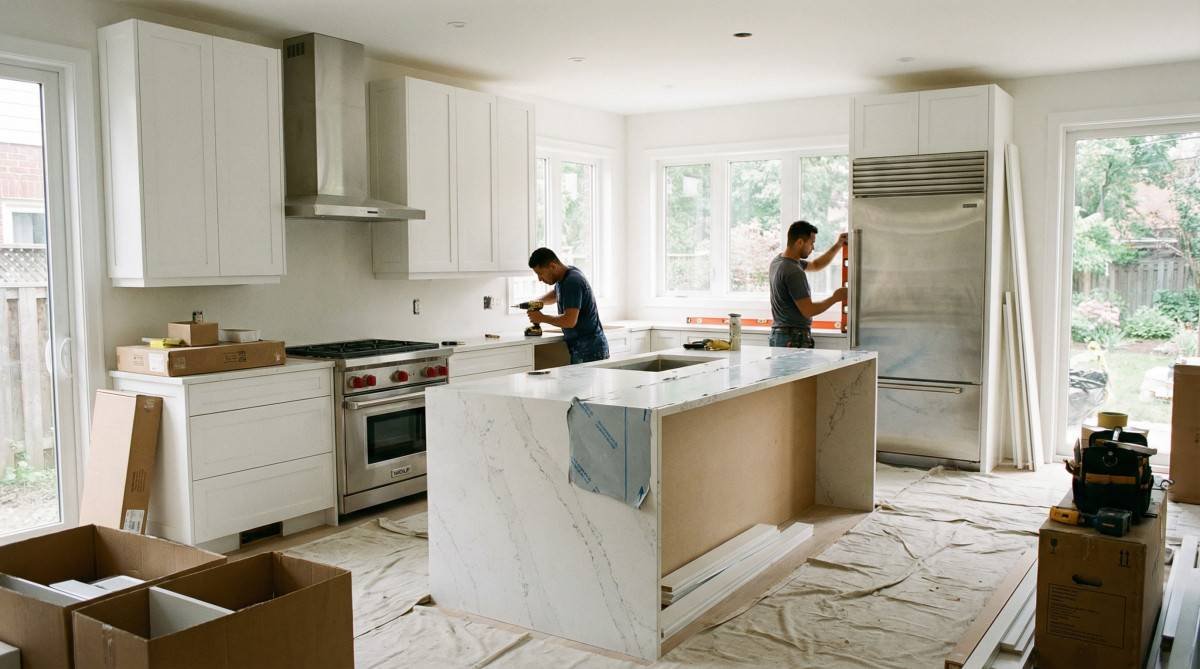
Understanding Value-Adding Home Improvements
Value-adding home improvements are renovations that increase a property’s market price beyond their initial cost, often by appealing to a broader range of potential buyers or by significantly improving functionality and efficiency. These projects are typically evaluated based on their return on investment (ROI), which measures the percentage of the renovation cost recouped at resale.
When considering home improvements, it is essential to differentiate between personal preference and market-driven value. While a custom, high-end renovation might perfectly suit an individual’s taste, it may not always translate into a proportional increase in resale value. Conversely, more modest updates, particularly in key areas like kitchens and bathrooms, often yield substantial returns because they address common buyer expectations and preferences. Data from various real estate and remodeling reports consistently highlight projects that resonate with buyers, focusing on durability, efficiency, and broad appeal rather than niche luxury [1] [2]. For example, while a homeowner might dream of a custom-designed wine cellar, a minor kitchen refresh or an updated bathroom often provides a more significant boost to resale value because these areas are universally important to potential buyers. Understanding the local market and consulting with real estate professionals can further refine which improvements are most impactful. The goal is to invest in upgrades that offer a solid return, making the home more attractive and competitive in the market without over-improving for the neighborhood.
High-Impact Exterior Upgrades for Resale
Exterior upgrades significantly influence a home’s curb appeal, which is the first impression potential buyers receive, and often provide some of the highest returns on investment. Projects such as garage door replacement, steel entry door installation, and manufactured stone veneer can dramatically improve a home’s facade and perceived value.
A new garage door, for instance, can offer an impressive ROI, with some reports indicating a recoup of up to 193.9% of its cost at resale [2]. This is attributed to its prominent visual impact and the functional upgrade it provides. Similarly, replacing an existing entry door with a steel one not only enhances security and energy efficiency but can also yield an ROI of approximately 188% [2]. Manufactured stone veneer, applied to a home’s exterior, also stands out with a strong ROI, often exceeding 150% [2]. These projects collectively contribute to a well-maintained and attractive exterior, signaling to buyers that the home has been cared for and is move-in ready. Beyond these, simple landscaping improvements, such as fresh mulch, trimmed shrubs, and vibrant seasonal flowers, can also create a welcoming impression without significant expense.
| Exterior Improvement | Average Cost | Estimated ROI |
|---|---|---|
| Garage Door Replacement | $4,500 | 193.9% |
| Steel Entry Door | $2,400 | 188% |
| Manufactured Stone Veneer | N/A | 153.2% |
| Fiber-Cement Siding | $20,600 | 88% |
Interior Renovations with Strong Return on Investment
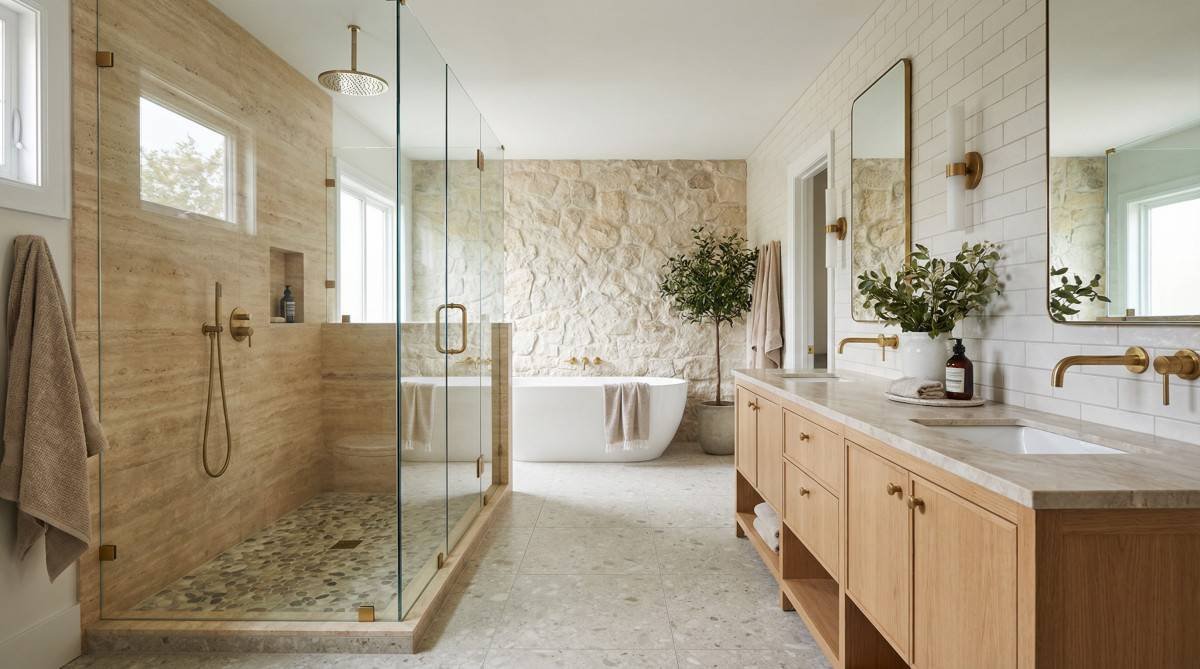
Interior renovations that focus on functionality, modern aesthetics, and broad appeal, particularly in kitchens and bathrooms, tend to offer the strongest returns on investment. Minor remodels in these high-traffic areas often outperform extensive, luxury overhauls.
A minor kitchen remodel, which might include updating cabinet fronts, countertops, and appliances, can recoup around 96% of its cost at resale [2]. This type of renovation focuses on refreshing the space to feel current and clean without the high expense of a complete structural change. For bathrooms, a mid-range remodel, involving updates to the tub, vanity, toilet, and fixtures, typically sees an ROI of about 74% [2]. These updates address common wear and tear and modernize the space, which are key factors for buyers. Furthermore, a fresh coat of neutral paint throughout the interior is a cost-effective improvement that can yield an ROI of over 100%, as it allows buyers to easily envision their own belongings in the space [3].
| Interior Improvement | Average Cost | Estimated ROI |
|---|---|---|
| Minor Kitchen Remodel | $27,500 | 96% |
| Mid-range Bathroom Remodel | $25,000 | 74% |
| Interior Paint | N/A | 107% |
Energy Efficiency and Smart Home Enhancements
Energy-efficient upgrades and smart home technologies are increasingly important to buyers, offering long-term savings on utility bills and enhancing convenience, thereby adding tangible value to a home. These improvements often include updated HVAC systems, energy-efficient windows, and smart thermostats.
Replacing an aging HVAC system with a modern, energy-efficient unit, such as a heat pump, can provide a substantial ROI, sometimes exceeding 100% when considering federal tax credits [2]. New vinyl window replacements, while having a slightly lower direct ROI of around 67% to 74%, significantly reduce energy loss and improve a home’s comfort and appearance [2] [3]. Smart thermostats, costing between $200-$300, can reduce energy use by 10-15% and are highly attractive to buyers due to their convenience and potential for cost savings [2]. Additionally, improvements like attic insulation and air sealing are relatively inexpensive but can dramatically cut heating and cooling costs, making a home more appealing to environmentally conscious buyers [2]. For instance, attic insulation can cost less than $2,000 and often returns 100% or more of its investment, especially when combined with energy audits and utility rebates [2]. This invisible upgrade provides significant comfort and savings, making a home more attractive to potential buyers focused on long-term operational costs. Furthermore, low-flow fixtures in bathrooms and kitchens, such as toilets and showerheads, reduce water consumption by 20-60% and are a cost-effective way to enhance efficiency [2]. These small changes contribute to a home’s overall sustainability profile, a growing priority for many homebuyers.
Strategic Additions and Space Optimization
Strategic additions and the optimization of existing spaces, such as finishing a basement or converting an attic into a functional room, can significantly increase a home’s usable square footage and versatility, appealing to a wider range of buyers. These projects often provide a strong return by expanding living areas.
Finishing a basement, for example, can yield an ROI of up to 86%, transforming unused space into a family room, home theater, or additional bedrooms [2]. This adds valuable square footage without the expense and complexity of building an entirely new extension. Converting an attic into a home office, a highly sought-after feature in today’s market, can deliver approximately a 70% return [2]. Accessory Dwelling Units (ADUs) in backyards, where zoning permits, also offer significant value by providing potential rental income or flexible living arrangements for extended family [2]. These types of projects are particularly attractive to buyers seeking homes that can adapt to evolving lifestyle needs, such as remote work or multi-generational living. For instance, a finished basement not only adds square footage but can also serve multiple purposes, from a guest suite to an entertainment area, significantly broadening a home’s appeal. The average cost to finish a basement can range from $30,000 to $50,000, with a potential ROI of up to 86% [2]. Similarly, converting an attic into a dedicated home office, a space increasingly in demand, can cost between $20,000 and $40,000 and yield around a 70% return [2]. These conversions leverage existing structures, making them more cost-effective than building entirely new additions. When considering such projects, it is vital to ensure proper insulation, ventilation, and adherence to local building codes to maximize both comfort and resale value.
Prioritizing Projects and Funding Options
Prioritizing home improvement projects involves balancing potential ROI with immediate needs and budget constraints, often starting with essential repairs before moving to cosmetic or value-adding upgrades. Various financing options are available to help homeowners fund these renovations effectively.
It is advisable to address critical issues like roof repairs, foundation problems, or plumbing leaks first, as these can deter buyers and impact structural integrity [3]. Once essential repairs are complete, focus on high-ROI projects such as exterior enhancements and minor kitchen/bathroom remodels. For funding, options include home equity lines of credit (HELOCs) or cash-out refinances, which allow homeowners to leverage their existing equity at favorable interest rates [2]. For smaller projects, credit cards with 0% APR introductory offers can be utilized, provided the balance is paid off within the promotional period [2]. Consulting with a real estate agent can also provide insights into which improvements are most valued in the local market, helping to maximize resale potential.
Frequently Asked Questions
What home improvements offer the highest return on investment?
Improvements with the best ROI often include garage door replacement, steel entry door installation, and minor kitchen or bathroom remodels [2].
How can I finance home improvement projects?
Home improvement projects can be financed through options like home equity lines of credit (HELOCs), cash-out refinances, or personal loans [2].
Do energy-efficient upgrades truly increase home value?
Yes, energy-efficient upgrades like new HVAC systems and windows can increase home value by reducing utility costs and appealing to eco-conscious buyers [2].
Should I hire professionals for all renovation tasks?
For major renovations, structural changes, or complex systems like plumbing and electrical, hiring professionals is advisable for safety and quality [3].
How do I determine the right improvements for my property?
Consider your budget, the home’s current condition, and local market trends; consulting a real estate agent can provide valuable guidance [3].
Conclusion
Making informed decisions about home improvements is key to maximizing a property’s value. By focusing on projects with proven returns, such as curb appeal enhancements, strategic interior updates, and energy-efficient installations, homeowners can significantly increase their property’s marketability and appeal. Prioritizing essential repairs and aligning renovations with buyer expectations ensures that investments translate into tangible benefits, whether for immediate enjoyment or future resale. Thoughtful planning and smart financing strategies empower homeowners to create a more valuable and desirable living space.
References
- [1] HomeLight. “What Upgrades Increase Home Value? 25 High-ROI Improvements.” https://www.homelight.com/blog/what-upgrades-increase-home-value/
- [2] Opendoor. “Top improvements that increase home value based on market data.” https://www.opendoor.com/articles/improvements-that-increase-home-value
- [3] First Citizens Bank. “6 Home Improvements with the Best ROI.” https://www.firstcitizensbank.com/services-tools/tools/education-center/detail.html?cId=58684&title=6-home-improvements-with-the-best-roi