Homeownership involves numerous responsibilities, including the maintenance and repair of essential systems and appliances. Unexpected breakdowns can lead to significant financial strain and inconvenience says Dawson Property Management professionals. Home warranty plans are designed to mitigate these risks by covering the cost of repairing or replacing covered items due to normal wear and tear. This article explores the fundamental aspects of home warranty plans, examining their operational mechanisms, potential advantages, and critical considerations for homeowners.

Understanding Home Warranties: What They Cover and How They Work
A home warranty is a service contract that provides discounted repair or replacement services for major home systems and appliances that fail due to normal use. These plans typically cover items such as HVAC systems, plumbing, electrical systems, and kitchen appliances, operating on an annual or monthly premium basis.
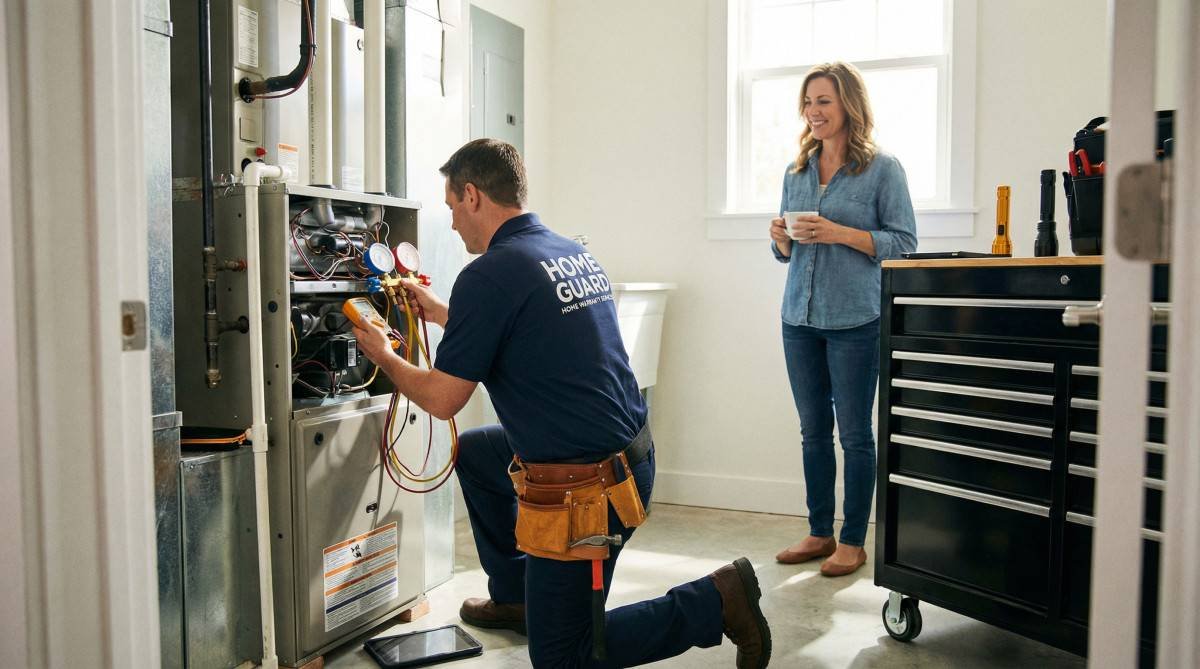
Home warranty plans function as service contracts, distinct from homeowners insurance, which primarily covers damages from unforeseen events like fires or storms. When a covered item breaks down, the homeowner contacts the warranty provider, who then dispatches a pre-approved technician to assess and repair the issue. Homeowners typically pay a service fee, often ranging from $65 to $150, for each service call. The warranty provider then covers the remaining cost of the repair or replacement, up to specified limits.
Coverage varies significantly between providers and plans. Standard plans often include major appliances like refrigerators, ovens, dishwashers, and built-in microwaves, as well as critical home systems such as heating, air conditioning, electrical wiring, and plumbing. Optional coverage may extend to items like well pumps, septic systems, pools, and additional refrigerators. It is crucial for homeowners to review the contract thoroughly to understand the specific items covered, any exclusions, and the maximum payout limits per item or per contract term.
The process generally involves a waiting period, typically 30 days, before new coverage becomes active. This prevents claims for pre-existing conditions. Providers often have a network of approved contractors, meaning homeowners may not have the option to choose their own repair professional. The decision to repair or replace an item usually rests with the warranty company, and replacements may be for items of similar value rather than an exact match to the original.
Evaluating the Potential Benefits of a Home Warranty
Home warranty plans can offer financial protection against unexpected repair costs for essential home systems and appliances, providing a predictable budgeting tool for homeowners and reducing the stress associated with sudden breakdowns.
One primary benefit of a home warranty is the financial predictability it offers. Instead of facing potentially large, unforeseen repair bills, homeowners pay a regular premium and a service call fee. This can be particularly advantageous for those with limited emergency savings or older homes where systems and appliances are more prone to failure. For instance, an HVAC system repair can cost hundreds or even thousands of dollars, while a home warranty might cover this for a service fee and the annual premium.
Another advantage is the convenience of having a pre-vetted network of service professionals. When an issue arises, homeowners can simply contact their warranty provider, who handles the dispatch of a qualified technician. This eliminates the need for homeowners to research and vet contractors themselves, saving time and effort. This streamlined process can be especially valuable during stressful situations, such as a sudden plumbing leak or a malfunctioning refrigerator.
Furthermore, a home warranty can provide peace of mind, especially for new homeowners or those with older appliances. Knowing that a plan is in place to address potential breakdowns can alleviate anxiety about future repair expenses. This sense of security can be a significant factor for individuals who prefer to avoid unexpected financial burdens and desire a more stable household budget.
The transferability of home warranty plans can also be a benefit when selling a home. Offering a home warranty to prospective buyers can enhance the home’s appeal and provide an added layer of assurance regarding the condition of its systems and appliances, potentially facilitating a smoother sale process.
Considerations Before Purchasing a Home Warranty
Before acquiring a home warranty, homeowners should carefully assess their current financial situation, the age and condition of their home’s systems and appliances, and thoroughly review the contract’s terms, conditions, and coverage limits.
A critical consideration is the overall cost versus potential savings. While home warranties offer protection, the annual premiums and service fees can accumulate. If a homeowner rarely files claims or if the cost of repairs for covered items is consistently below the total annual expense of the warranty, the plan may not provide significant financial value. For example, if an annual premium is $600 and a service fee is $100, a homeowner would need repairs exceeding $700 to break even, assuming only one service call.
The age and condition of existing appliances and systems are also vital factors. Newer items often come with manufacturer warranties that may overlap with home warranty coverage. In such cases, purchasing a home warranty might be redundant for those specific items. Conversely, for older homes with aging systems and appliances, a home warranty could offer more substantial value, as these components are more likely to require repairs or replacement.
Understanding the limitations and exclusions within the contract is paramount. Home warranty policies often contain clauses that can lead to denied claims, such as issues arising from improper maintenance, pre-existing conditions not disclosed at the time of purchase, or damage caused by external factors. Coverage caps for specific items are also common; if a repair or replacement exceeds this limit, the homeowner is responsible for the difference. A thorough review of the fine print helps manage expectations and avoid surprises.
Finally, homeowners should consider their comfort level with the repair process. Home warranty providers typically assign technicians from their network, which means homeowners may not have the flexibility to choose their preferred contractor. This can sometimes lead to longer wait times for service or dissatisfaction with the assigned technician. Evaluating these aspects helps determine if a home warranty aligns with individual preferences and needs.
When a Home Warranty May Not Be the Right Choice
A home warranty may not be suitable for homeowners who maintain a robust emergency fund, possess new appliances under manufacturer warranties, or prefer to select their own repair professionals for home maintenance issues.
For homeowners with substantial emergency savings, a home warranty might be an unnecessary expense. An adequately funded emergency account can cover unexpected repair or replacement costs without the need for annual premiums and service fees. This approach offers greater flexibility, allowing homeowners to choose their own contractors and avoid potential coverage limitations or claim denials often associated with warranty plans.
Similarly, if a home is equipped with new or recently updated systems and appliances, these items are likely still covered by manufacturer warranties. These warranties typically address defects and malfunctions for a specified period, rendering a home warranty redundant for those components. Paying for overlapping coverage can result in wasted funds, as the manufacturer’s warranty would be the primary recourse for issues.
Homeowners who prefer direct control over their repair services might also find home warranties less appealing. Warranty providers often dictate which technicians are dispatched, which can sometimes lead to longer wait times or a lack of choice in service providers. Individuals who value the ability to select their own trusted contractors, obtain multiple quotes, or perform DIY repairs may find the constraints of a home warranty restrictive.
Furthermore, if a homeowner is diligent about routine maintenance and preventative care, the likelihood of major breakdowns can be reduced. Many home warranty contracts stipulate that claims may be denied if proper maintenance has not been performed. For those who consistently maintain their home’s systems and appliances, the benefits of a warranty might be minimal compared to the costs.
Key Factors in Choosing a Home Warranty Provider
Selecting a home warranty provider requires evaluating factors such as reputation, coverage options, contract terms, service fees, and customer service quality to ensure the plan aligns with individual homeowner needs and expectations.
The reputation and reliability of a home warranty provider are paramount. Researching customer reviews and ratings from independent sources can offer insights into a company’s responsiveness, claim approval rates, and overall customer satisfaction. Providers with a history of frequent claim denials or prolonged service delays may not offer the intended peace of mind.
Comprehensive coverage options are another crucial factor. Homeowners should compare different plans to ensure they cover the specific systems and appliances most critical to their household. It is important to look beyond basic coverage and consider optional add-ons for items like pools, spas, or secondary appliances if these are essential. Understanding what is explicitly included and excluded will prevent future disappointments.
Detailed contract terms, including service fees, deductibles, and coverage limits, must be thoroughly examined. Service fees, paid per claim, can vary significantly, impacting the total out-of-pocket cost. Additionally, many contracts impose limits on the amount a provider will pay for a single repair or replacement, or for all claims within a contract year. Transparency in these terms is a strong indicator of a reputable provider.
The quality of customer service and the efficiency of the claims process are also vital. A responsive and supportive customer service team can make a significant difference when a breakdown occurs. Homeowners should inquire about the typical response times for service requests and the process for filing and tracking claims. A smooth and efficient claims process ensures that necessary repairs are addressed promptly.
| Factor | Description |
|---|---|
| Coverage Scope | What specific systems and appliances are included, and what are the exclusions? |
| Cost Structure | Annual premiums, monthly fees, service call fees, and deductibles. |
| Claim Limits | Maximum payout per item, per system, or per contract term. |
| Provider Reputation | Customer reviews, ratings, and history of claim approvals/denials. |
| Service Network | Availability and quality of pre-approved technicians. |
| Response Time | Typical time frame for dispatching technicians and completing repairs. |
Frequently Asked Questions About Home Warranties
What is a home warranty and what does it typically cover?
A home warranty is a service contract covering repair or replacement costs for major home systems and appliances due to normal wear and tear.
How do home warranty costs compare to potential repair expenses?
Costs include annual premiums and service fees, which can be less than unexpected major repairs but may exceed minor repair costs.
Can a home warranty be purchased for any home at any time?
Yes, home warranties can be purchased at any time, but a waiting period typically applies before coverage begins.
What are common reasons for home warranty claim denials?
Common reasons include pre-existing conditions, improper maintenance, and issues falling outside contractually defined coverage.
Is a home warranty a substitute for homeowners insurance?
No, a home warranty is not a substitute; it covers appliance and system breakdowns, while insurance covers damage from perils.
Conclusion
Deciding whether a home warranty plan is a worthwhile investment depends on a homeowner’s individual circumstances, financial preparedness, and risk tolerance. While these plans offer a structured approach to managing unexpected repair costs and provide convenience through a network of service professionals, they also come with limitations, exclusions, and potential overlaps with existing warranties. Thoroughly researching providers, understanding contract specifics, and assessing personal needs are essential steps in determining if a home warranty aligns with the goal of protecting a home and its valuable components.
| Aspect | Home Warranty | Emergency Fund |
|---|---|---|
| Cost Structure | Annual/monthly premiums + service fees per claim | Self-funded savings, no recurring fees |
| Coverage Scope | Specific systems and appliances due to wear and tear | Covers any unexpected expense, including repairs |
| Control Over Repairs | Provider selects technicians; limited choice | Homeowner chooses technicians and manages repairs |
| Claim Process | Formal claim submission, potential for denials | Direct use of funds, no approval needed |
| Predictability | Predictable premiums, but repair coverage can vary | Funds available as needed, full control over spending |