Replacing windows is a significant home improvement project that can dramatically impact your home’s energy efficiency, aesthetic appeal, and overall value says Beyond PM, a leading property management Encinitas company. Understanding the financial investment involved is crucial for effective planning. This comprehensive guide delves into the various factors that influence the cost to replace windows, from material choices and installation complexities to regional price variations and financing options. By exploring these elements, homeowners can gain a clearer picture of what to expect regarding the cost to replace windows, ensuring a well-informed decision that aligns with their budget and long-term goals.
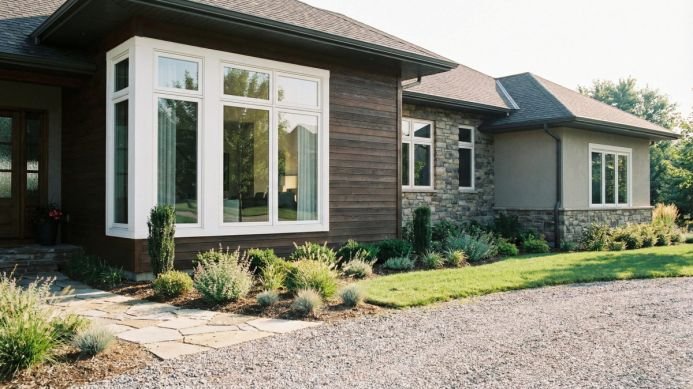
Understanding the Average Cost to Replace Windows
The average cost to replace windows can vary widely, typically ranging from $300 to $2,500 per window, including installation. This broad spectrum is influenced by numerous factors, such as the type of window, material, size, and the complexity of the installation process. Homeowners should consider these variables when budgeting for their project, as a clear understanding of average costs provides a foundational benchmark for more precise estimates tailored to their specific needs.
Per-Window vs. Whole-House Estimates
When planning for window replacement, it is essential to differentiate between per-window costs and the total cost for a whole-house project. While individual window prices offer a baseline, the overall project cost encompasses labor, additional materials, and potential unforeseen expenses. For a small project of 8-10 windows, homeowners might expect to pay between $4,500 and $18,000, whereas a larger project of 18-25+ windows could range from $12,600 to $45,000 or more [3]. These figures highlight the economies of scale that can sometimes apply to larger projects, but also the compounding effect of higher-end choices across many units.
Key Factors Influencing Window Replacement Costs
Several critical factors play a significant role in determining the final cost to replace windows. These elements range from the fundamental choices of window materials and styles to the intricacies of glass options and the labor involved in installation. Each decision contributes to the overall expense, making it imperative for homeowners to understand how these variables interact to shape their budget and project outcomes.
Window Material: Vinyl, Fiberglass, and Wood
The choice of window material is one of the most impactful decisions affecting the cost to replace windows and their performance. Vinyl windows are generally the most budget-friendly option, offering good insulation and low maintenance. Fiberglass windows, while more expensive, provide superior durability, energy efficiency, and resistance to extreme weather. Wood windows are typically the most costly, prized for their aesthetic appeal and natural insulation properties, though they require more maintenance. The material chosen will significantly influence both the upfront cost and the long-term value and maintenance requirements of the windows [3].
Window Style and Type
The style and type of window also contribute to the overall cost. Common styles like single-hung and double-hung windows are usually more affordable, while specialty windows such as bay, bow, or custom-shaped windows can be considerably more expensive due to their complex designs and installation requirements. Casement, awning, and sliding windows fall in the mid-range. The functionality and aesthetic impact of different styles mean that homeowners often balance their design preferences with their budgetary constraints when making these selections.
Glass Options and Energy Efficiency
Advanced glass options and features designed for energy efficiency can increase the initial cost but offer significant long-term savings on utility bills. Double-pane windows are standard, but triple-pane windows provide enhanced insulation. Low-emissivity (Low-E) coatings, argon or krypton gas fills between panes, and warm-edge spacers further improve thermal performance. ENERGY STAR certified windows, which meet strict energy efficiency guidelines, can save homeowners an average of $101–$583 a year on energy costs [9]. Investing in these features can lead to a more comfortable home and reduced environmental impact.
Installation Complexity and Labor Costs
Labor costs are a substantial component of the total cost to replace windows, typically ranging from $100 to $400 per window [1]. The complexity of the installation, including factors like the type of window, the condition of the existing frame, and the accessibility of the window opening, can significantly influence these costs. Full-frame replacements, which involve removing the entire window frame, are more labor-intensive and thus more expensive than insert replacements, where the new window fits into the existing frame. Regional labor rates also play a role, with urban areas often having higher costs than rural ones [1].
Regional Price Variations
The cost to replace windows can vary considerably based on geographic location. Factors such as local labor rates, regional demand for specific window types, and shipping costs for materials all contribute to these differences. For example, homeowners in areas with a higher cost of living or specialized building codes (e.g., hurricane-prone regions requiring impact-resistant windows) may face higher prices. It is always advisable to obtain multiple quotes from local contractors to understand the prevailing rates in your specific area for the cost to replace windows.
When comparing these estimates, homeowners often look for providers that balance affordability with high standards of workmanship. Local expertise is particularly valuable because regional climate factors can dictate which products perform best over time. If you are beginning your search for a qualified professional, searching for window replacement near me can help you identify established installers who understand the specific building codes and weather demands of your community. Taking the time to speak with a few different teams allows you to evaluate their communication style and ensure they offer the specific energy-efficient features or aesthetic styles you have selected for your home.
Breaking Down the Costs: What You Pay For
To fully grasp the investment required for window replacement, it is helpful to dissect the total cost to replace windows into its primary components: the window unit itself, labor and installation fees, and various additional expenses. Each of these categories contributes to the final price, and understanding their individual impacts allows for more informed budgeting and decision-making throughout the project.
Window Unit Cost
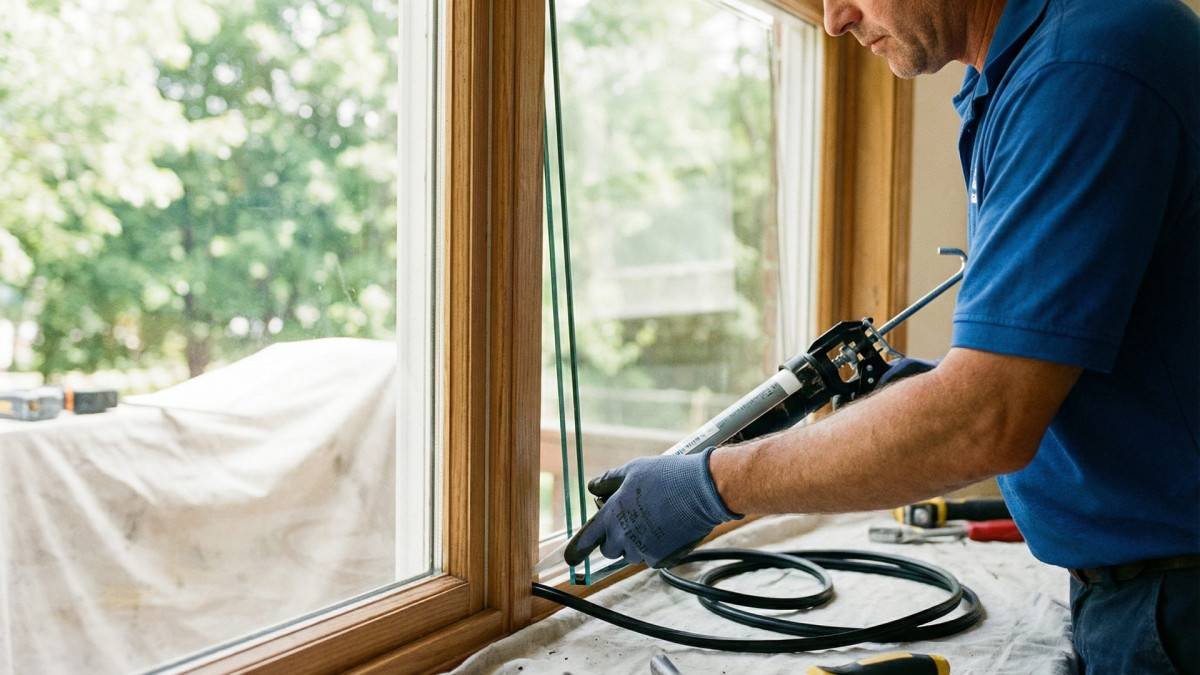
The cost of the window unit itself is the most straightforward component of the overall cost to replace windows. This price is determined by the material (vinyl, fiberglass, wood), style (double-hung, casement, bay), size, and any specialized features like advanced glass packages or custom finishes. As a general guideline, vinyl windows might start around $300, while high-end wood or custom-designed windows could exceed $3,000 per unit [1]. The quality and features chosen for the window unit directly correlate with its price.
Labor and Installation Fees
Labor and installation fees cover the professional services required to remove old windows and install new ones. These fees typically account for a significant portion of the total cost to replace windows, often ranging from $100 to $400 per window [1]. Factors influencing labor costs include the complexity of the installation (e.g., full-frame vs. insert replacement), the number of windows being replaced, and any necessary structural modifications. Experienced installers ensure proper sealing and functionality, which is crucial for the windows’ performance and longevity.
Additional Costs: Permits, Disposal, and Repairs
Beyond the window units and labor, several additional costs may arise during a replacement project. Building permits, which ensure the work complies with local codes, can add to the expense, though not all areas require them for window replacement. Disposal fees for old windows are also common. Furthermore, if the existing window frames or surrounding structures have damage (e.g., rot, water damage), repairs will be necessary, increasing the overall cost. Homeowners should factor in a contingency budget for these potential extra expenses.
DIY vs. Professional Window Replacement
Deciding whether to undertake a window replacement project yourself or hire professionals is a critical choice with significant implications for cost, quality, and time. While DIY might seem like a cost-saving measure, it comes with its own set of challenges and potential risks. Conversely, professional installation offers expertise and guarantees, but at a higher price point. Weighing the pros and cons of each approach is essential for making the best decision for your home and budget.
Pros and Cons of DIY Installation
DIY window installation can save on labor costs, potentially reducing the overall project expense. It also offers homeowners a sense of accomplishment and direct control over the process. However, it requires significant technical skill, specialized tools, and a considerable time commitment. Improper installation can lead to drafts, water leaks, reduced energy efficiency, and even structural damage, potentially costing more in repairs than the initial savings. Most manufacturers’ warranties are also voided if windows are not installed by certified professionals.
Benefits of Hiring a Professional
Hiring a professional window installer offers numerous advantages. Professionals possess the expertise and experience to ensure proper installation, maximizing energy efficiency and preventing future issues. They typically handle all aspects of the project, from measurement and ordering to installation and disposal, saving homeowners time and effort. Many professional installations come with warranties on both the product and the workmanship, providing peace of mind. While the upfront cost is higher, the long-term benefits of a correctly installed, warrantied window often outweigh the DIY savings.
Financing Your Window Replacement Project
Window replacement can be a substantial investment, and many homeowners explore various financing options to make the project more manageable. Understanding the available avenues, from personal loans to manufacturer-specific plans, can help you choose the most suitable financial strategy for the cost to replace windows. Each option comes with its own terms, interest rates, and repayment structures, so careful consideration is key to finding a solution that fits your financial situation.
Personal Loans and Home Equity Options
Personal loans are a common financing choice, offering a lump sum with fixed interest rates and repayment terms, typically ranging from two to seven years. They are unsecured, meaning your home is not used as collateral. Home equity loans and Home Equity Lines of Credit (HELOCs) use your home as collateral, often providing lower interest rates due to the secured nature of the loan. Home equity loans offer a lump sum, while HELOCs function like a revolving credit line. These options can be attractive for larger projects, but homeowners should be aware of the risks associated with using their home as collateral [2].
Manufacturer and Installer Financing
Many window manufacturers and installers offer their own financing programs, often through partnerships with financial institutions. These can include deferred interest plans, low-interest loans, or payment plans tailored to the cost of the windows. While convenient, it is crucial to compare these offers with other financing options, as interest rates and terms can vary. Some programs may offer promotional periods with no interest, but high interest rates can apply if the balance is not paid off within the specified timeframe.
Return on Investment (ROI) and Energy Savings
Beyond the immediate costs, investing in new windows can yield significant long-term benefits, particularly in terms of return on investment (ROI) and energy savings. Understanding how these factors contribute to the overall value proposition of the cost to replace windows can help homeowners justify the expense and appreciate the enduring advantages of their upgrade. New windows are not just an aesthetic enhancement; they are a functional improvement that pays dividends over time.
How New Windows Boost Home Value
Replacing old, inefficient windows with modern, energy-efficient ones can significantly increase a home’s market value. Potential buyers are often willing to pay more for homes with updated windows, as it signals lower future maintenance costs and improved energy performance. The aesthetic upgrade also enhances curb appeal, making the home more attractive on the market. According to various real estate analyses, homeowners can recoup a substantial portion of their window replacement costs through increased home value, often ranging from 70% to 80% or more of the project cost at resale.
Long-Term Energy Bill Reductions
One of the most compelling benefits of new windows is the potential for substantial reductions in energy bills. Old, drafty windows are a major source of heat loss in winter and heat gain in summer, forcing HVAC systems to work harder. Modern, energy-efficient windows with features like Low-E coatings and insulated glass can drastically improve a home’s thermal performance. This leads to a more stable indoor temperature, reduced strain on heating and cooling systems, and ultimately, lower monthly utility costs. The savings can accumulate significantly over the lifespan of the windows, offsetting a portion of the initial investment.
Choosing the Right Windows and Installer
The success of your window replacement project hinges on selecting the appropriate windows and a reputable installer. This crucial step involves thorough research and careful consideration of various factors, from brand reputation and warranty coverage to the quality of installation services. Making informed choices in this phase ensures that your investment in the cost to replace windows yields the desired aesthetic, functional, and financial benefits for your home.
Researching Window Brands and Warranties
Thorough research into different window brands is essential. Look for brands known for quality, durability, and energy efficiency, such as Andersen, Pella, and Marvin [1]. Pay close attention to the warranties offered, as they can vary significantly. A strong warranty, covering both the product and installation, provides long-term protection for your investment in the cost to replace windows. Understanding the terms and conditions, including transferability, is vital for peace of mind and future home value.
ncluding transferability, is vital for peace of mind and future home value.
Getting Multiple Quotes
To ensure you receive a fair price and comprehensive service, it is highly recommended to obtain at least three quotes from different reputable window installers. This allows you to compare not only the cost to replace windows but also the scope of work, materials offered, warranty details, and customer service. Be wary of unusually low bids, as they may indicate substandard materials or workmanship. A detailed quote should include the cost of windows, installation, removal of old windows, and any additional services.
Frequently Asked Questions
Q1: How much does it cost to replace all the windows in a house?
The cost to replace windows for an entire house varies significantly based on the number of windows, their size, material, style, and installation complexity. For a typical home, the total cost can range from $4,500 for a small project (8-10 windows) to over $45,000 for a large project (18-25+ windows) [3]. These figures include both the cost of the windows and professional installation.
Q2: Is it cheaper to replace all windows at once?
Generally, replacing all windows at once can be more cost-effective in the long run. This approach often allows for economies of scale, reducing per-window labor costs by avoiding multiple setup fees. While the initial outlay is higher, it can lead to greater overall savings on installation and immediate improvements in energy efficiency and home comfort. Phased replacement, while offering budget flexibility, may incur higher total costs due to repeated mobilization fees and potential material price increases over time [3].
Q3: What factors influence the cost of window replacement?
Several key factors influence the cost to replace windows, including the chosen window material (vinyl, fiberglass, wood), window style and type (double-hung, casement, bay), glass options (double-pane, triple-pane, Low-E coatings), installation complexity (full-frame vs. insert), and regional labor rates. Additional costs may include permits, disposal fees, and any necessary repairs to the existing window frames or surrounding structures [1] [3].
Q4: How long do replacement windows last?
The lifespan of replacement windows varies depending on the material, quality of manufacturing, and proper installation. High-quality vinyl windows can last 20-40 years, while fiberglass windows often exceed 30-50 years. Wood windows, with proper maintenance, can last even longer, sometimes 50 years or more. Regular maintenance and professional installation are crucial for maximizing the longevity of any replacement window [1].
Q5: How can I save money on window replacement?
To save money on your cost to replace windows, consider choosing more affordable materials like vinyl, opting for standard window styles, and prioritizing energy-efficient features that offer long-term savings on utility bills. Obtaining multiple quotes from different installers allows for price comparison. Additionally, exploring financing options like personal loans or manufacturer programs can help manage the upfront cost. While DIY installation can save on labor, it carries risks and may void warranties, making professional installation a more reliable long-term investment [2] [3].
References
[1] Modernize.com. 2026 Best Window Replacement Brands. https://modernize.com/windows/brands
[2] NerdWallet. Best Window Companies of 2026. https://www.nerdwallet.com/home-ownership/windows/best/window-companies
[3] Pella. Cost to Replace Windows in a House. https://www.pella.com/ideas/windows/replacement-window-cost/whole-house/
[9] Truitt & White. Window Replacement Cost Estimator: Your Complete Bay Area Guide. https://truittandwhite.com/window-replacement-cost-estimator