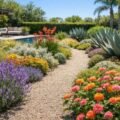
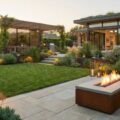
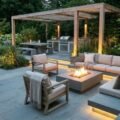
The concept of a perfect backyard has evolved from a high-maintenance showpiece into a functional, effortless retreat that prioritizes relaxation over routine labor says BanCal Properties solutions. Modern homeowners are increasingly embracing “intentional laziness,” a design philosophy that utilizes low maintenance landscaping ideas backyard to create stunning outdoor spaces without the endless cycle of mowing, weeding, and watering. By shifting away from traditional, resource-heavy lawns, these contemporary designs offer significant benefits, including substantial time savings, reduced utility costs, and a more sustainable footprint for the local ecosystem.
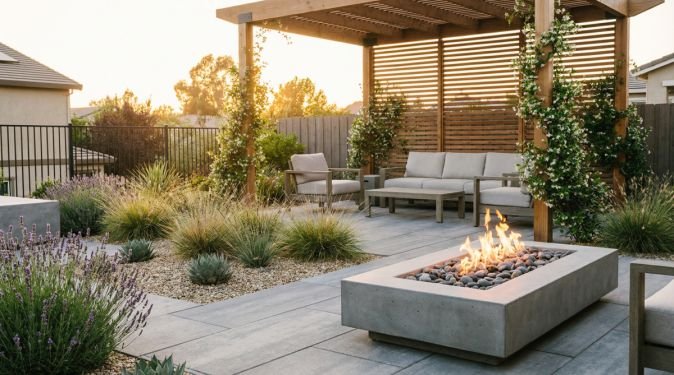
Transitioning to a low-maintenance landscape does not mean sacrificing aesthetic appeal or biodiversity; rather, it involves making smarter choices about materials and plant species that thrive with minimal human intervention. Whether you are managing a sprawling suburban lot or a compact urban space, the integration of durable hardscaping, native vegetation, and automated technology can transform a chore-laden yard into a serene sanctuary. This 2026 guide explores the most effective strategies to reclaim your weekends while maintaining a vibrant and inviting backyard environment.
1. Hardscaping: The Foundation of Effortless Outdoor Living
Hardscaping replaces high-maintenance turf with durable surfaces like pavers, natural stone, or gravel, effectively eliminating the need for mowing, fertilizing, and heavy irrigation. By investing in quality patios and walkways, homeowners create functional spaces that require only occasional sweeping to maintain their pristine appearance year-round. These permanent structures provide the structural framework for a low maintenance landscaping ideas backyard, allowing for clearly defined zones for dining, relaxation, and recreation.
Interlocking pavers and poured concrete remain the primary choices for most backyard hardscaping projects, each offering distinct advantages for the homeowner. While poured concrete is often more cost-effective during initial installation, interlocking pavers provide superior durability and ease of repair, as individual stones can be replaced without disrupting the entire surface. Furthermore, natural stone and river rocks can be strategically placed to manage drainage and add textural contrast to the landscape, creating a visually dynamic environment that remains completely static in its maintenance requirements.
According to the American Society of Landscape Architects (2025), hardscaping can reduce weekly maintenance time by up to 70% compared to traditional lawns. This significant reduction in labor is primarily due to the elimination of biological needs such as watering and weeding, which are the most time-consuming aspects of yard care. By selecting materials that complement the home’s architecture, homeowners can increase their property value while simultaneously decreasing their ongoing commitments to outdoor upkeep.
| Hardscaping Material | Estimated Cost | Durability | Maintenance Level |
|---|---|---|---|
| Poured Concrete | Low to Medium | High | Low (Needs Sealing) |
| Interlocking Pavers | Medium to High | Very High | Very Low |
| Natural Stone | High | Very High | Very Low |
| Gravel / River Rock | Low | Medium | Low (Needs Raking) |
Integrating these materials into a cohesive design allows for a seamless transition between indoor and outdoor living areas. When paired with proper drainage solutions, a well-planned hardscape ensures that the backyard remains accessible and attractive regardless of the season or weather conditions. This foundational approach to landscaping provides the most immediate and long-lasting impact on reducing the overall workload of property maintenance.
2. Native Plants and Perennials: Nature’s Self-Sustaining Garden
Selecting native plants and perennials is the most effective way to ensure a garden thrives with minimal human intervention, as these species are naturally adapted to local climate and soil conditions. Unlike annuals that require yearly replanting, perennials return each season, while native species typically demand significantly less water and fewer pesticides to remain healthy. This natural synergy between the environment and the vegetation is a cornerstone of low maintenance landscaping ideas backyard, providing a sustainable and beautiful outdoor space with minimal effort.
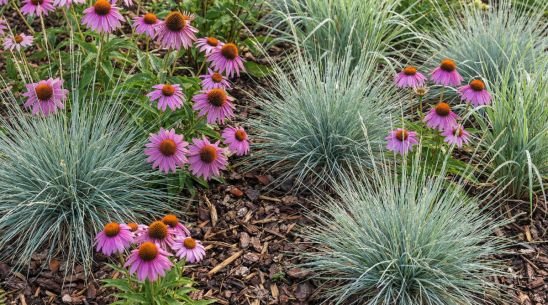
Native plants provide essential habitats for local pollinators while requiring 50% less supplemental water than non-native alternatives, according to the National Wildlife Federation (2024). This reduction in resource consumption is a major advantage for homeowners who want to contribute to local biodiversity while simultaneously reducing their water bills. Xeriscaping, the practice of landscaping with drought-tolerant species, has become increasingly popular in 2026 as a way to create a resilient garden that can withstand prolonged dry spells without constant monitoring.
The top 2026 perennial picks for a low-maintenance backyard include hardy varieties such as purple coneflowers, sedum, and ornamental grasses. These plants are known for their ability to thrive in a variety of soil types and light conditions, and they often require only a single pruning session per year to stay healthy. By grouping plants with similar water and light needs together, a technique known as hydrozoning, homeowners can further optimize their garden’s performance and ensure that each plant receives exactly what it needs to flourish without manual intervention.
Integrating these self-sustaining plants into a well-designed garden bed, complete with a thick layer of organic mulch, is the ultimate strategy for weed suppression and moisture retention. Mulch not only provides a finished, professional look to the garden but also breaks down over time to enrich the soil with vital nutrients. This cycle of natural growth and decay ensures that the garden remains a dynamic and healthy part of the backyard ecosystem while requiring only the most basic maintenance tasks from the homeowner.
3. Smart Technology: Automating Your Backyard Chores
Modern backyard automation utilizes smart irrigation controllers, robotic mowers, and weather-sensing technology to handle routine maintenance tasks without manual effort. These systems optimize water usage based on real-time weather data and maintain lawn height automatically, ensuring the yard stays healthy while the homeowner remains hands-off. This integration of smart home technology is a key component of low maintenance landscaping ideas backyard, providing a seamless and efficient way to manage outdoor spaces with minimal time investment.
Smart irrigation systems with moisture sensors are a significant advancement in water conservation, as they can accurately measure the amount of moisture in the soil and adjust watering schedules accordingly. Research from the Irrigation Association (2025) indicates that smart controllers can save homeowners over 30% on their annual water bills by preventing over-irrigation. These systems can be easily controlled from a smartphone, allowing for real-time monitoring and adjustment of watering zones without ever needing to leave the house.
Robotic lawn mowers for the remaining turf areas have become increasingly affordable and efficient in 2026, offering a completely automated solution for maintaining a traditional lawn aesthetic. These compact machines can be programmed to mow at specific times and can navigate around obstacles with ease, returning to their charging stations automatically when their task is complete. By maintaining a consistent grass height, robotic mowers promote healthier turf growth and eliminate the need for manual mowing and grass clipping disposal.
Integrating AI-driven pest monitoring and automated lighting further enhances the smart low-maintenance environment by providing a comprehensive and proactive approach to backyard management. These systems can detect and deter pests before they become a significant problem, while automated lighting can be programmed to adjust based on the time of day and activity levels in the yard. This level of automation ensures that the backyard remains a safe and inviting space for relaxation and entertainment with absolutely zero effort from the homeowner.
4. Low-Maintenance Ground Covers: Beyond the Traditional Lawn
Alternative ground covers like clover, creeping thyme, and artificial turf provide a lush, green aesthetic without the intensive labor required by traditional grass species. These options are often more resilient to foot traffic and pet activity, and many varieties require little to no mowing or chemical treatments to stay vibrant throughout the growing season. This versatility makes alternative ground covers a vital component of low maintenance landscaping ideas backyard, providing a sustainable and attractive alternative to high-maintenance turf.
Artificial turf has made significant advancements in 2026, offering a highly durable and realistic solution for homeowners who want a year-round green lawn without the need for watering or mowing. While it requires an initial investment, artificial turf can last for over 15 years and provides a consistently pristine appearance that is virtually maintenance-free. For those who prefer a more natural look, eco-friendly alternatives like micro-clover and moss for shady spots can provide a low-maintenance and visually appealing alternative to traditional grass.
“Lazy” mulching techniques using leaf mowing can also be a highly effective way to naturally enrich the soil while reducing the need for manual raking and disposal of yard waste. By mowing fallen leaves directly into the lawn or garden beds, homeowners can provide a natural source of nutrients and organic matter that promotes healthy soil growth and moisture retention. This sustainable practice not only saves time and effort but also contributes to a more resilient and healthy backyard ecosystem.
Selecting the right ground cover for each specific area of the backyard is key to ensuring a successful and low-maintenance landscape. By considering factors such as light conditions, foot traffic, and soil type, homeowners can choose the most appropriate species that will thrive with minimal intervention. This strategic approach to ground cover selection ensures that the backyard remains a vibrant and inviting space for relaxation and enjoyment with minimal effort from the homeowner.
FAQ: Frequently Asked Questions
What is the most maintenance-free landscaping?
The most maintenance-free landscaping combines hardscaping elements like stone patios or gravel beds with native, drought-tolerant plants that require minimal watering and pruning. By replacing high-maintenance turf with these durable and self-sustaining features, homeowners can significantly reduce the amount of time and effort required to keep their backyard looking pristine.
How can I landscape my backyard on a budget?
Landscaping a backyard on a budget can be achieved by prioritizing high-impact, low-cost changes such as adding a layer of organic mulch, planting native perennials from seed, and utilizing recycled materials for garden paths. By focusing on sustainable and self-sustaining features, homeowners can create a beautiful and low-maintenance outdoor space without the need for expensive professional installation.
Is artificial turf better than natural grass for low maintenance?
Artificial turf is often considered a superior option for low-maintenance landscaping as it eliminates the need for mowing, watering, and fertilizing while providing a consistently green and pristine appearance year-round. While it requires an initial investment, the long-term savings in time and resources make it a highly attractive alternative to traditional natural grass for many homeowners.
What are the best drought-tolerant plants for a backyard?
The best drought-tolerant plants for a backyard include hardy species such as lavender, sedum, purple coneflowers, and ornamental grasses, which are known for their ability to thrive with minimal supplemental water. These plants are naturally adapted to dry conditions and can provide a vibrant and colorful addition to a low-maintenance landscape without the need for constant monitoring.
How often do rock gardens need maintenance?
Rock gardens typically require very little maintenance, often needing only an occasional raking to remove fallen leaves or debris and a light weeding to prevent unwanted plant growth between the stones. This simplicity makes rock gardens an ideal choice for busy homeowners who want to add visual interest and texture to their backyard without a significant commitment to ongoing care.
What is the “buffer zone” for landscaping near a house?
A landscaping “buffer zone” is a 2 to 3-foot area of gravel or mulch immediately adjacent to the home’s foundation that helps prevent moisture buildup and pest infestations. By keeping plants and irrigation away from the structure, homeowners can protect their home’s integrity while maintaining a clean and low-maintenance transition between the house and the garden.
Conclusion
The journey toward a stress-free backyard begins with a single, high-impact change that prioritizes ease of care over traditional, resource-heavy landscaping. By integrating low maintenance landscaping ideas backyard into your design, you can reclaim your valuable free time while still enjoying a vibrant and inviting outdoor environment. Whether you choose to install a durable stone patio, plant self-sustaining native species, or automate your chores with smart technology, the results will be a more sustainable and enjoyable backyard for years to come.