The modern backyard is no longer just a patch of grass; it has become a refined extension of the home’s interior living space. When exploring backyard fence ideas, homeowners increasingly look for a balance of architectural style, privacy, and durability. Whether the goal is to build a secluded retreat or a secure perimeter for the family, the right fencing choice can dramatically elevate curb appeal while clearly defining outdoor boundaries, says South Daytona Property Management.
Popular Fencing Materials and Their Benefits
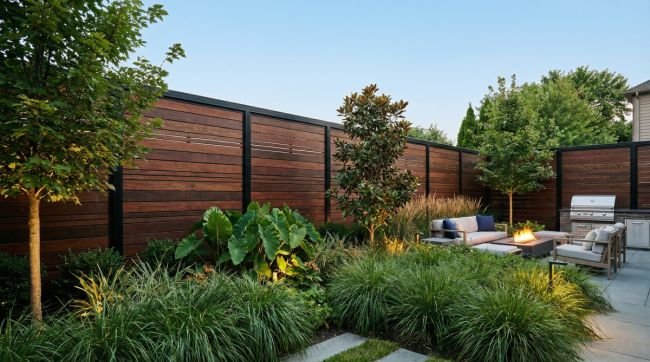
Choosing the right material for your backyard depends on balancing initial costs, long-term maintenance requirements, and the desired aesthetic impact. While traditional wood remains a favorite for its natural warmth, modern advancements in composite and vinyl technology have introduced superior alternatives that offer decades of performance with minimal upkeep.
Sustainable Composite and Vinyl Solutions
The rise of sustainable building practices has made composite and vinyl fencing some of the most sought-after backyard fence ideas in 2026. Composite materials, often made from recycled wood fibers and plastic, mimic the texture of natural grain without the risk of rotting, warping, or insect damage. According to Trex (2024), composite fencing provides a high-performance alternative that resists fading and staining even in the harshest climates [1]. Similarly, high-quality vinyl offers a sleek, UV-protected finish that requires no painting or staining, making it an ideal choice for busy homeowners who value a “set-it-and-forget-it” solution for their perimeter security.
The Timeless Appeal of Natural Wood
Despite the growth of synthetic alternatives, natural wood continues to hold a significant place in residential landscape design. Western Red Cedar and Pressure-Treated Pine are the most common choices, offering a classic look that can be customized with various stains and sealants. Wood provides a level of versatility that is hard to match, allowing for intricate designs like lattice toppers or custom picket spacings. However, it is essential to note that natural wood requires periodic maintenance, including cleaning and re-staining every two to three years, to prevent weathering and maintain its structural integrity over time.
Selecting the correct local wood species and professional installation team can make this upkeep much simpler. Homeowners looking to establish a durable wooden boundary can browse this website link to see how regional climate factors influence material selection and design choices. Working with regional specialists helps ensure that the structural posts and panels are treated properly to withstand moisture and changing weather conditions over the years.
Industrial Strength with Metal and Aluminum
For homeowners seeking a more modern or industrial aesthetic, metal and aluminum fencing offer unmatched strength and visibility. Ornamental aluminum fences provide the look of traditional wrought iron without the susceptibility to rust, making them perfect for pool enclosures or decorative front-yard boundaries. When combined with wood or composite infills, metal frames create a “mixed-material” look that is both structurally sound and visually striking. These systems are particularly effective for high-security needs, as they can be integrated with automated gates and smart sensors to provide a comprehensive property protection solution.
| Material Type | Initial Cost | Durability | Maintenance Level |
|---|---|---|---|
| Natural Wood | Low to Mid | 10–15 Years | High |
| Vinyl | Mid to High | 20–30 Years | Low |
| Composite | High | 25–50 Years | Very Low |
| Aluminum | Mid to High | 30+ Years | Low |
Top Design Trends for Backyard Fencing in 2026
Current trends emphasize clean lines and architectural interest, with horizontal slat designs and mixed-material combinations leading the way. These styles create a sophisticated, modern look that complements contemporary home designs. By focusing on a “less is more” aesthetic, homeowners can achieve a minimalist yet impactful perimeter that enhances the overall landscape.
Horizontal Slat Designs for Modern Appeal
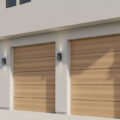
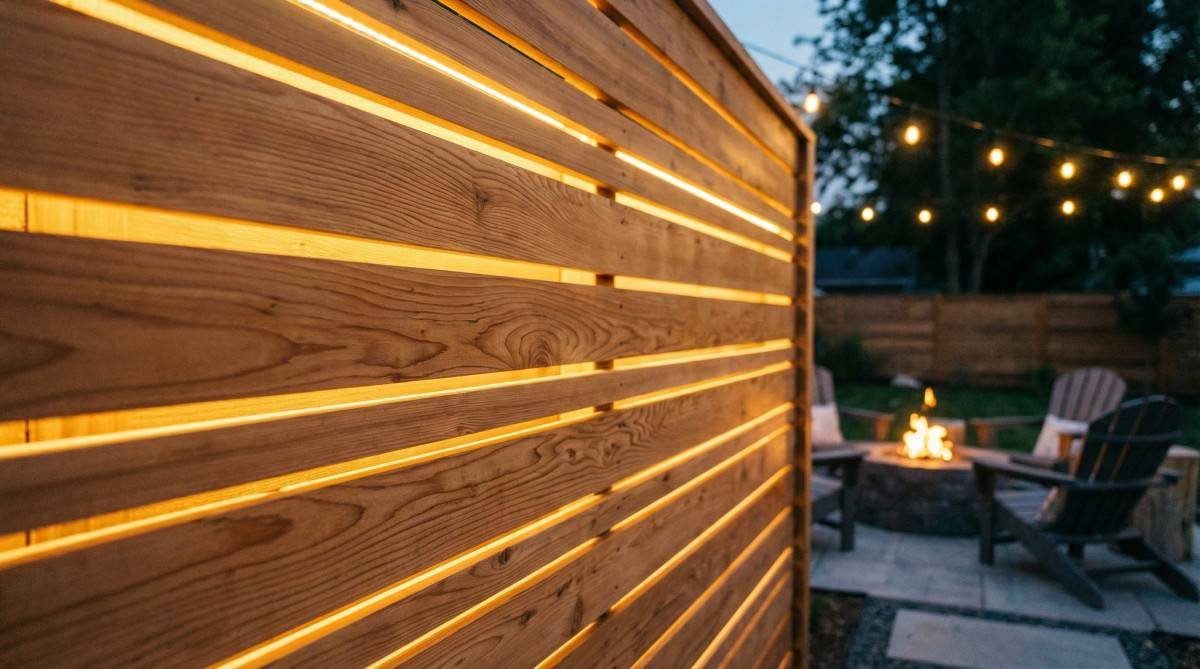
One of the most prominent backyard fence ideas in 2026 is the horizontal slat design. Unlike traditional vertical pickets, horizontal slats create a sense of movement and width, making even small yards feel more expansive and open. This style is particularly effective for contemporary and mid-century modern homes, where clean, linear elements are a hallmark of the architecture. By adjusting the spacing between the slats, homeowners can control the level of privacy and airflow, with narrower gaps providing a solid-panel effect and wider gaps allowing light and air to pass through freely.
Mixed-Material Combinations (Wood + Metal)
The trend toward mixed-material fencing continues to gain momentum, as it allows for a high degree of customization and visual contrast. Combining warm, natural wood or composite planks with sleek, black metal frames creates a “custom” look that is both modern and inviting. This approach is not only aesthetically pleasing but also structurally superior, as the metal frame provides a rigid skeleton that prevents the infill panels from sagging or warping over time. According to FenceTrac (2025), mixed-material kits are an excellent way to achieve a unique, high-end look that stands out from the typical wooden fences found in most neighborhoods [2].
Integrated Smart Lighting and Security
As smart home technology becomes increasingly integrated into our daily lives, it is only natural that it has extended to our outdoor perimeters. Modern backyard fence ideas now include built-in LED lighting strips, motion sensors, and integrated security cameras that can be controlled via smartphone apps. These features not only enhance the safety and security of the property but also create a beautiful nighttime ambiance for outdoor entertaining. Solar-powered options are particularly popular, as they provide an energy-efficient way to illuminate the backyard without the need for complex wiring or high electricity costs.
Practical Considerations for Privacy and Security
Effective fencing must address both visual privacy and physical security without sacrificing style. Strategic height adjustments and “no-gap” construction techniques are essential for creating a truly secluded outdoor sanctuary. When planning your fence, it is crucial to consider the primary purpose of the boundary, whether it is to block unsightly views, contain pets, or prevent unauthorized access to the property.
Maximizing Privacy with No-Gap Construction
For homeowners who prioritize seclusion, “no-gap” construction is one of the most effective backyard fence ideas. Traditional vertical fences often develop gaps between the pickets as the wood dries and shrinks, compromising the privacy of the yard. By using tongue-and-groove boards or overlapping horizontal slats, you can create a solid barrier that completely blocks sightlines from the street or neighboring properties. This approach is particularly important for backyards with pools or hot tubs, where a high level of privacy is required for a comfortable and relaxing experience.
Enhancing Security with Automated Gates
Security is a top priority for many property owners, and the integration of automated gates is a game-changer for perimeter protection. Modern gate systems can be equipped with keypad entry, intercoms, and remote access features, allowing you to monitor and control who enters your property at all times. When paired with a strong, durable fence material like steel or aluminum, an automated gate provides a formidable barrier against intruders while maintaining the convenience of easy access for authorized residents and guests.
Regional Climate and Maintenance Needs
The longevity of your backyard fence is heavily dependent on the local climate and the level of maintenance you are willing to provide. In coastal areas with high salt spray, aluminum and vinyl are superior choices due to their resistance to corrosion and fading. Conversely, in regions with extreme temperature fluctuations, composite materials offer the best performance, as they are engineered to expand and contract without cracking or warping. According to Everfence (2026), choosing a material that is specifically suited to your regional climate is the most effective way to ensure your fence remains beautiful and functional for decades [3].
Cost-Effective DIY Backyard Fence Ideas
Budget-friendly fencing doesn’t have to look cheap; using DIY kits or upcycled materials like bamboo can significantly reduce costs. Focus on high-impact areas like the front-facing perimeter to maximize curb appeal while saving on secondary boundaries. By prioritizing the most visible parts of the property, homeowners can achieve a high-end look without the high-end price tag.
Using DIY Fence Kits for Professional Results
For many homeowners, the cost of professional installation is a significant barrier to achieving their dream backyard. Fortunately, the rise of DIY fence kits has made it easier than ever to build a professional-looking perimeter without the need for specialized tools or labor. These kits come with pre-cut materials and detailed instructions, allowing even novice builders to complete a high-quality fence in a single weekend. According to FenceTrac (2025), DIY kits are an excellent way to save on labor costs while still achieving a unique, custom look that enhances the value of your property [2].
Creative Infill Options (Bamboo and Trellis)
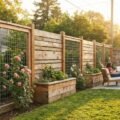
When it comes to backyard fence ideas on a budget, creative infill options like bamboo or trellis panels are both affordable and aesthetically pleasing. Bamboo is a fast-growing, sustainable material that provides a natural, tropical look that is perfect for garden enclosures or privacy screens. Similarly, trellis panels can be used to create a “living fence” by allowing climbing plants like ivy or jasmine to grow through the lattice, providing a beautiful and eco-friendly boundary that changes with the seasons. These options are particularly effective for small backyards or urban spaces where a solid, heavy fence might feel too imposing.
Frequently Asked Questions
What is the cheapest backyard fence idea?
The cheapest backyard fence ideas typically involve using pressure-treated pine or simple chain-link fencing with privacy slats. For a more aesthetic but still budget-friendly option, bamboo rolls or DIY trellis panels are excellent choices that provide privacy at a fraction of the cost of solid wood or vinyl.
How can I make my backyard fence look better?
You can enhance the appearance of an existing fence by adding a fresh coat of high-quality stain or paint, installing decorative post caps, or integrating solar-powered LED lighting. Adding a “living wall” of climbing plants or hanging decorative planters can also transform a plain fence into a beautiful focal point.
What is the most popular fence style right now?
The most popular fence style in 2026 is the horizontal slat design, often featuring a mixed-material combination of wood and black metal. This style is favored for its modern, architectural look and its ability to complement contemporary home designs while providing a high level of privacy.
How do I choose a fence for my backyard?
Choosing a fence involves considering your primary goals, such as privacy, security, or aesthetics, as well as your budget and maintenance preferences. It is also essential to check local zoning laws and homeowner association (HOA) regulations to ensure your chosen design and height are permitted in your area.
Which fence material lasts the longest?
Composite and aluminum fencing are the longest-lasting materials, often coming with warranties ranging from 25 to 50 years. These materials are engineered to resist rot, corrosion, and fading, making them a superior long-term investment compared to traditional natural wood.
Conclusion
In conclusion, the best backyard fence ideas for 2026 are those that balance form and function, providing a beautiful and secure perimeter that enhances the overall value of the property. Whether you choose the timeless warmth of natural wood, the low-maintenance durability of composite, or the modern appeal of horizontal slats, the right fence will transform your outdoor space into a private and stylish sanctuary for years to come. By considering your regional climate, maintenance needs, and budget, you can make an informed decision that meets your unique needs and reflects your personal style.
References:
[1] 10 Modern Backyard Fencing Ideas to Increase Privacy