Transforming a plain outdoor space into a personal sanctuary begins with inspiration and careful planning. As homeowners continue expanding their living areas beyond interior walls, the backyard has evolved into a multifunctional retreat. Whether the property includes a sprawling suburban yard or a compact urban courtyard, finding strong landscaping ideas is essential for creating a space that feels both beautiful and practical. In 2026, the focus has shifted toward sustainability, smart technology, and outdoor rooms that mirror indoor comfort, according to Redsail Property Management experts.
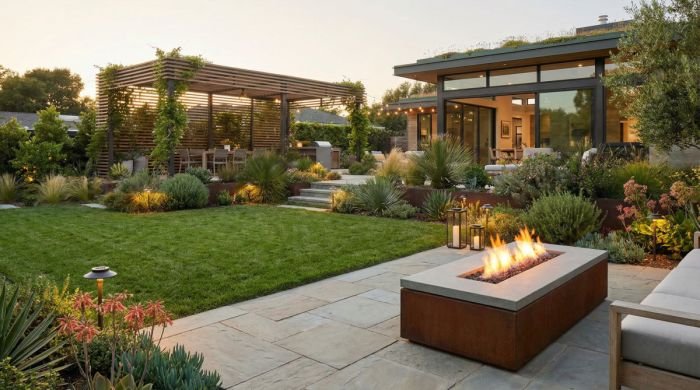
Planning Your 2026 Backyard Oasis
Planning a backyard in 2026 requires a focus on sustainability, functionality, and the integration of smart technology. By prioritizing “outdoor rooms” and native plantings, homeowners can create resilient spaces that serve as true extensions of their indoor living areas while minimizing environmental impact and maintenance requirements. This strategic approach ensures that every square foot of the property is utilized effectively, providing a seamless transition between the natural world and the built environment.
The first step in any successful landscaping project is a thorough site assessment. This involves measuring the available space, evaluating soil health, and observing how sunlight moves across the yard throughout the day. Understanding these variables allows for more informed decisions regarding plant selection and the placement of hardscape features. For instance, a shaded corner might be the perfect spot for a quiet reading nook, while a sun-drenched area is better suited for a vibrant pollinator garden or a productive vegetable patch. According to the American Society of Landscape Architects (2025), functional zoning is the most requested feature in modern residential design, as it allows for multiple activities to coexist within a single outdoor space.
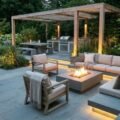
Creating distinct “garden rooms” is a powerful technique for making a backyard feel larger and more organized. By using natural dividers such as hedges, trellises, or even strategic furniture placement, you can define areas for dining, lounging, and play. This sense of order not only enhances the aesthetic appeal of the yard but also improves its usability. A well-planned layout encourages movement and exploration, inviting family and guests to engage with the outdoor environment in diverse ways. Whether it is a cozy fire pit area for evening gatherings or a sleek outdoor kitchen for summer barbecues, each room should reflect the unique lifestyle and preferences of the homeowner.
Sustainable “Foodscaping” and Native Plantings
Sustainable foodscaping involves seamlessly integrating edible plants into traditional ornamental landscapes to create a “working” yard. This approach, combined with the use of native species, supports local pollinators and reduces water consumption, making it a cornerstone of modern, eco-conscious backyard design in 2026. By reimagining the traditional lawn as a productive and diverse ecosystem, homeowners can enjoy fresh produce while contributing to the health of their local environment and reducing the need for synthetic fertilizers and pesticides.
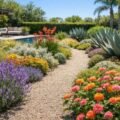
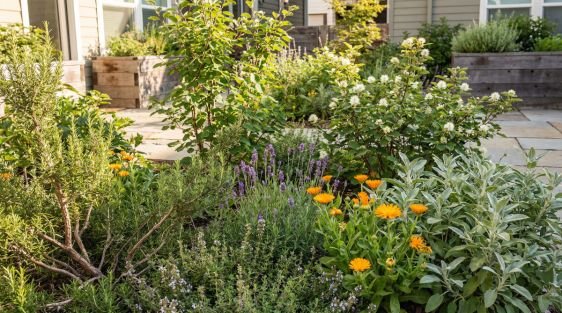
Integrating edibles into ornamental beds is a key strategy for achieving a beautiful and functional landscape. Herbs like rosemary, thyme, and sage can serve as attractive groundcovers or low-growing shrubs, while fruiting trees and bushes provide structure and seasonal interest. This “foodscaping” trend has gained significant traction as more people seek to connect with their food sources and minimize their carbon footprint. According to the National Wildlife Federation (2026), native plants can reduce garden water needs by up to 50% compared to non-native species, as they are naturally adapted to the local climate and soil conditions. This synergy between productivity and sustainability is a hallmark of forward-thinking landscape design.
The benefits of pollinator-friendly native species extend far beyond water conservation. These plants provide essential habitat and food for local bees, butterflies, and birds, which in turn support the health of the entire garden ecosystem. A diverse planting palette that includes a variety of native flowers, shrubs, and trees ensures year-round interest and ecological resilience. To help homeowners choose the right plants for their goals, the following table compares the maintenance and environmental impact of traditional landscaping choices versus native alternatives.
| Feature | Traditional Landscaping | Native Landscaping |
|---|---|---|
| Water Requirement | High (Regular Irrigation) | Low (Climate Adapted) |
| Maintenance Level | High (Mowing, Fertilizing) | Low (Natural Growth) |
| Biodiversity Support | Minimal | High (Pollinator Haven) |
| Soil Health | Often Depleted | Naturally Enriched |
| Cost Over Time | Higher (Water/Chemicals) | Lower (Self-Sustaining) |
Smart Hardscaping and 2026 Material Trends
Smart hardscaping in 2026 emphasizes the use of permeable materials and integrated technology to manage runoff and enhance usability. From solar-powered stone pathways to “smart” pergolas with automated shade, modern hardscaping choices prioritize long-term durability and environmental responsibility over purely aesthetic considerations. This approach ensures that hardscape elements not only look beautiful but also contribute to the overall health of the property and its surrounding ecosystem.
Permeable pavers and natural stone options have become the standard for modern backyard design. These materials allow rainwater to infiltrate the soil rather than creating runoff, which helps to recharge groundwater and prevent erosion. By selecting locally sourced stone or recycled composite materials, homeowners can further reduce the environmental impact of their landscaping projects. According to the Environmental Protection Agency (2024), permeable hardscaping is a critical tool for reducing urban heat islands and managing stormwater, making it an essential component of resilient residential design in 2026.
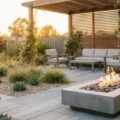
Integrating smart lighting and irrigation systems is another key trend for the modern backyard. These technologies allow for precise control over water and energy usage, ensuring that resources are used efficiently and only when needed. Automated irrigation systems can adjust their schedules based on real-time weather data, while smart lighting can be programmed to create ambiance or provide safety and security. This level of automation not only simplifies maintenance but also enhances the overall enjoyment of the outdoor space. Whether it is a sleek fire table or a modern water feature, these elements are increasingly being designed with sustainability and ease of use in mind.
Maximizing Small Backyards and Sloped Terrain
Maximizing small or sloped backyards requires creative vertical solutions and strategic terracing to unlock hidden potential. By utilizing multi-level decks and wall-mounted gardens, homeowners can transform challenging terrains into functional, multi-dimensional retreats that feel significantly larger and more organized than traditional single-level layouts. This approach not only increases the usable square footage of the property but also adds visual interest and depth to the overall landscape design.
Vertical gardening for urban spaces is a particularly effective technique for adding greenery and privacy to compact yards. By using trellises, arbors, or even wall-mounted planters, you can grow a wide variety of plants without taking up valuable floor space. This “green wall” effect not only enhances the aesthetic appeal of the yard but also provides a sense of seclusion and tranquility. For those dealing with sloped terrain, terracing and retaining wall solutions are essential for creating level areas for dining, lounging, and play. These structures can be built using a variety of materials, from natural stone to modern concrete blocks, to complement the style of the home and the surrounding landscape.
To help homeowners identify wasted space in their yards, the following “5-Question Small Yard Audit” is a useful tool for uncovering hidden potential.
- What is the primary function of each area in the yard? (Identify zones that lack a clear purpose.)
- Are there any unused vertical surfaces, such as walls or fences? (Look for opportunities to add greenery or storage.)
- How is the flow of movement throughout the space? (Identify areas where furniture or plantings might be obstructing paths.)
- Is there any underutilized space under decks or stairs? (Consider adding storage or a small seating area.)
- How does the lighting change throughout the day and night? (Identify areas that could benefit from better illumination.)
Backyard Landscaping FAQ
How can I landscape my backyard cheaply?
Landscaping your backyard on a budget is possible by focusing on DIY projects, using native plants that require less maintenance, and repurposing materials like old bricks or stone. Starting small and tackling one area at a time allows you to spread the cost over several seasons while still achieving a beautiful result.
What is the most popular backyard landscaping style in 2026?
The most popular style in 2026 is a blend of modern minimalism and sustainable “foodscaping,” where functional outdoor rooms are integrated with productive and eco-friendly plantings. This “working” landscape prioritizes resilience, biodiversity, and ease of use over purely ornamental designs.
How do I plan a low-maintenance backyard?
Planning a low-maintenance backyard involves choosing native, drought-tolerant plants, using groundcovers instead of traditional lawns, and incorporating durable hardscape materials. Automated irrigation and smart lighting systems can also significantly reduce the time and effort required for upkeep.
Are native plants better for my backyard?
Yes, native plants are generally better for your backyard because they are naturally adapted to the local climate and soil, requiring less water and fewer chemical treatments. They also provide essential habitat and food for local pollinators, supporting a healthier and more resilient ecosystem.
What is “foodscaping” and how do I start?
Foodscaping is the practice of integrating edible plants like herbs, berries, and vegetables into your ornamental landscape. You can start by replacing a few non-productive shrubs with fruiting varieties or adding herbs like rosemary and sage to your flower beds for a beautiful and functional garden.
How do I handle a sloped backyard?
Handling a sloped backyard is best achieved through terracing, which involves building retaining walls to create level areas. This not only prevents erosion but also provides more usable space for gardening, dining, or play, transforming a challenging terrain into a multi-level retreat.
Conclusion
Creating a personal sanctuary in your backyard is a rewarding process that combines creativity, planning, and a commitment to sustainability. By embracing the latest trends in functional design, native plantings, and smart technology, you can transform any outdoor space into a resilient and beautiful extension of your home. Whether you are starting with a blank canvas or looking to refresh an existing landscape, the key is to prioritize your unique needs and preferences while respecting the natural environment. In 2026, the most successful backyards are those that not only look stunning but also serve as productive, eco-friendly retreats for family and friends to enjoy for years to come.