Over the last few years, the automotive industry has gone through a major transformation. Vehicles are no longer just machines powered by engines; they have evolved into intelligent systems filled with advanced electronics. From safety mechanisms to entertainment features, almost every function in a modern car depends on electronic components working together seamlessly.
As cars continue to become smarter, the demand for reliable internal systems has increased. Behind every sensor, control unit, and communication module lies a carefully designed circuit board that ensures everything runs smoothly. Without these boards, modern vehicles simply would not function the way they do today.
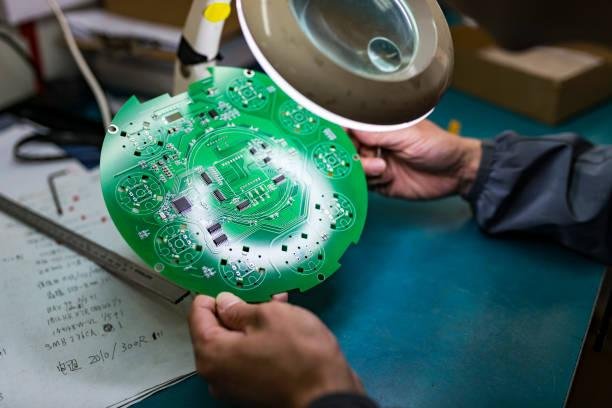
PCB Fab & Fabrication Services are essential in supporting the development of these automotive electronics by ensuring that each circuit board is built with precision, durability, and consistency. These services help manufacturers turn complex electronic designs into reliable hardware that can perform under real-world conditions.
Why Automotive Electronics Require High Precision
Automotive electronics operate in conditions that are far more demanding than regular consumer devices. A smartphone or laptop may function in controlled environments, but vehicles must perform reliably under extreme temperatures, constant vibrations, and long operating hours.
Because of this, every component inside a vehicle must meet strict quality standards. Even a small issue in a circuit board can lead to system failure, which in some cases can affect safety.
1. Exposure to Extreme Temperatures
Vehicles are exposed to both high heat and cold weather. Under the hood, temperatures can rise significantly, especially during long drives. At the same time, vehicles parked in cold climates must still function properly when started.
A well-manufactured PCB ensures that electronic systems continue to work efficiently in these conditions without degradation.
2. Constant Mechanical Stress
Unlike stationary electronic devices, vehicles are always in motion. This creates continuous vibrations that can affect internal components.
High-quality PCB fabrication ensures strong connections and structural stability, reducing the risk of failure caused by mechanical stress.
3. Long-Term Reliability
Automotive systems are expected to last for years without issues. Customers expect their vehicles to operate smoothly without frequent repairs.
This makes durability a key factor in PCB manufacturing, as poor-quality boards can lead to long-term problems.
Key Applications of PCBs in Vehicles
Printed circuit boards are used in almost every part of modern vehicles. Their role continues to expand as technology advances.
Engine Control Units (ECUs)
ECUs manage the performance of the engine by controlling fuel injection, ignition timing, and other critical functions. These systems require highly reliable PCBs to ensure accurate operation.
Advanced Driver Assistance Systems (ADAS)
Features like lane detection, automatic braking, and collision warning depend on sensors and electronic systems. These systems rely heavily on well-designed PCBs to function correctly.
Infotainment Systems
Modern vehicles offer advanced entertainment options, including touchscreens, navigation, and connectivity features. PCBs ensure smooth performance and quick response times.
Battery Management Systems
In electric vehicles, PCBs are used to monitor and control battery performance. This ensures efficiency, safety, and longer battery life.
Challenges in Automotive PCB Manufacturing
Designing and manufacturing PCBs for automotive use is not a simple task. There are several challenges that manufacturers must overcome.
1. Complex Design Requirements
Modern automotive systems involve complex circuits that require precise layout and routing.
2. Space Constraints
As more features are added, space inside vehicles becomes limited, requiring compact PCB designs.
3. High Reliability Standards
Automotive electronics must meet strict safety and performance standards.
4. Cost Management
Balancing quality and cost is always a challenge, especially in large-scale production.
These challenges highlight the importance of working with experienced fabrication providers who understand automotive requirements.
How Quality PCB Fabrication Improves Vehicle Performance
The quality of PCB fabrication has a direct impact on how well a vehicle performs.
1. Stable System Operation
High-quality PCBs ensure that electronic systems work smoothly without interruptions.
2. Improved Safety
Reliable circuit boards reduce the risk of system failures, which is critical for safety-related features.
3. Better Energy Efficiency
Efficient PCB design helps reduce power consumption, especially in electric vehicles.
4. Reduced Maintenance Costs
Durable PCBs minimize the need for repairs and replacements.
The Role of Advanced Manufacturing Technologies
Modern PCB fabrication uses advanced technologies to meet the demands of automotive electronics.
Automated Production Systems
Automation improves accuracy and reduces errors during manufacturing.
Multi-Layer PCB Technology
Multi-layer boards allow complex circuits to be integrated into compact designs.
High-Precision Testing
Advanced testing methods ensure that every PCB meets quality standards before use.
Why Choosing the Right Fabrication Partner Matters
The success of automotive electronics depends heavily on the capabilities of the fabrication partner.
A reliable partner offers:
- Consistent quality
- Advanced manufacturing processes
- Technical expertise
- Timely delivery
At this stage, working with trusted PCB Fab & Fabrication Services becomes essential for ensuring that every component meets industry standards and performs reliably in real-world conditions.
Future Trends in Automotive Electronics
The automotive industry is moving toward even more advanced technologies, which will increase the demand for high-quality PCBs.
Electric Vehicles (EVs)
The shift toward electric mobility is driving the need for efficient and reliable electronic systems.
Autonomous Driving
Self-driving technology requires highly complex electronic systems supported by advanced PCBs.
Connected Vehicles
Vehicles are becoming more connected, requiring stable communication systems.
Smart Safety Systems
New safety features are being developed to improve driver and passenger protection.
Why Quality Can’t Be Compromised
In automotive electronics, there is no room for error. Every component must perform perfectly to ensure safety and reliability.
Cutting corners in PCB fabrication may reduce costs initially, but it can lead to serious problems later. Investing in quality ensures long-term success and customer satisfaction.
Final Thoughts
The automotive industry is evolving rapidly, and electronics are at the center of this transformation. Printed circuit boards play a crucial role in enabling modern vehicle features, from safety systems to advanced connectivity.
As technology continues to advance, the demand for reliable and high-performance PCBs will only increase. Businesses that focus on quality fabrication will be better positioned to succeed in this competitive market.
For companies aiming to build durable and high-performing automotive electronics, globalwellpcba.com offers the expertise and consistency needed to deliver reliable PCB solutions.