Plastic surgery changes or improves the body structure through surgical procedures tailored to the body. Surgeons consult with patients to understand their goals and expectations, and they may be able to combine procedures for fewer recovery periods. Surgeons carry out procedures like facelifts, eyelid surgery, liposuction, tummy tucks, and breast procedures. The result depends on how the body heals, along with the condition of the tissue and the surgical techniques used. Here’s the role of realistic expectations in plastic surgery:
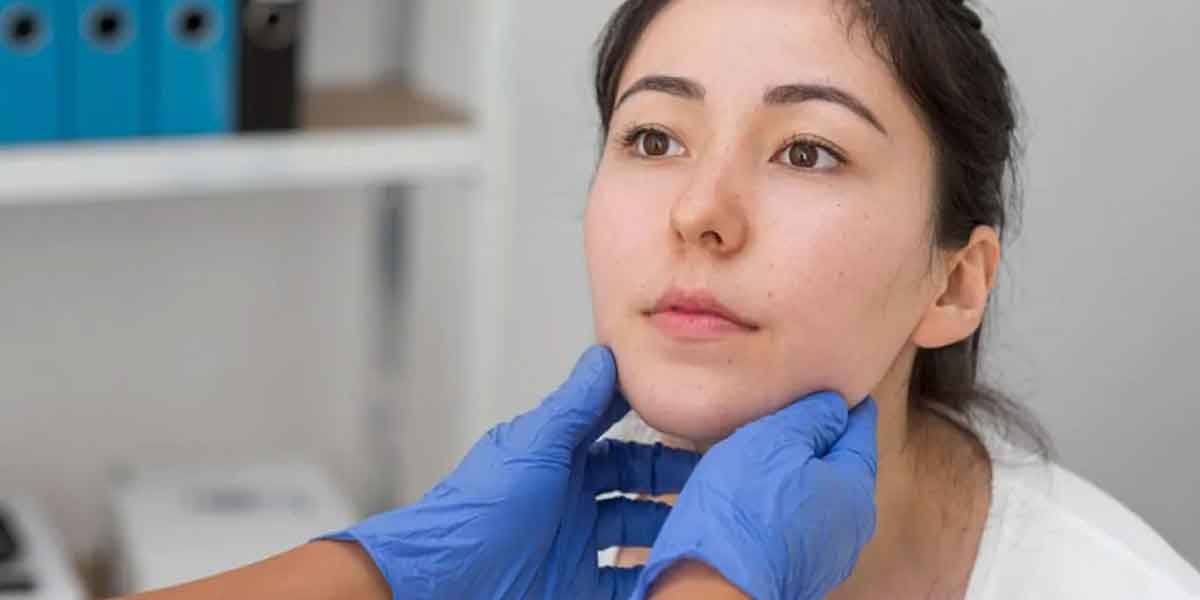
Setting Realistic Facial Goals
Facial procedures include facelifts, rhinoplasty, and eyelid surgery. Facelifts remove excess skin and fat and tighten underlying tissue; they help reduce sagging around the jawline and neck, producing a smoother facial contour. Rhinoplasty reshapes nasal cartilage or removes a dorsal hump to refine the nose. Eyelid surgery removes excess skin and fat from upper and lower lids, improving the eye area and reducing puffiness. Expected changes differ by procedure, so surgeons assess anatomy, discuss objectives, and explain to patients what each procedure is capable of accomplishing.
Expecting Measured Breast Results
Breast procedures consist of breast augmentation, breast lifts, and breast reduction. Augmentation changes breast shape and increases size using silicone-shelled implants that are placed beneath the chest wall muscle or under the breast tissue. This surgery can enhance natural breast symmetry or fullness that may be lost due to pregnancy or weight loss. A breast lift involves the removal of excess skin and tightening of tissues around the breasts; this helps lift and reform sagging breasts caused by aging or life changes. It can be combined with implants to provide more volume.
Breast reduction is a plastic surgery procedure that removes excess tissue, fat, and skin to create smaller, more proportionate breasts; it may also reduce physical discomfort. These procedures help improve breast shape and symmetry based on individual goals and anatomy. Consultations include discussions on personal objectives, implant choices, and combinations of procedures so that treatment plans match desired changes. Before-and-after photos show what breast surgeries have achieved for patients, helping illustrate likely outcomes.
Managing Weight Changes
As people age, skin elasticity and support of soft tissue diminish slowly, and this may limit the amount of enhancement that facelifts produce in the jawline and neck. If thinning skin and loss of underlying fat make it more difficult to obtain smooth contours, it sometimes affects the visible results. Breast tissue may change during pregnancy, weight gain or loss, or with age, influencing both shape and volume. These factors affect how breast lifts or augmentations turn out, and the patient’s tissue and chest shape determine what improvements are possible.
Understanding Body Contouring Limits
Body contouring procedures available at some plastic surgery facilities include liposuction, abdominoplasty, arm lifts, and body lifts. Liposuction sculpts the body by removing unwanted fat. It focuses on areas such as the abdomen, hips, and thighs, and it helps shape contours that diet and exercise have not changed. Abdominoplasty is a plastic surgery that involves the removal of excess skin and tightening of abdominal muscles in order to flatten and redefine the waistline. This is sometimes done following weight loss or pregnancy.
An arm lift removes extra skin and fat from the upper arms to improve shape after large changes in weight. A body lift removes extra skin from the torso and upper legs, and it allows for smoother lines around the midsection and lower body. There are natural limits to these procedures because skin and tissue can only be tightened or reshaped to the extent allowed by their elasticity, thickness, and underlying structure.
Work With a Plastic Surgery Clinic
Professional assessment assists in identifying which plastic surgery procedures are compatible with the anatomy and tissue condition of a patient. It involves the evaluation of skin elasticity, fat distribution, bone structure, and general proportions. This clarifies how each procedure can improve appearance, and it identifies limits related to age and body structure. Contact a surgeon today to discuss plastic surgery procedures.