As autumn’s crisp air ushers in vibrant foliage and cozy evenings, it also signals a less welcome migration: pests seeking refuge from the impending cold. Your home, a haven of warmth and shelter, becomes an unwitting target for these opportunistic invaders. Understanding their motivations and entry points is the first step in fortifying your sanctuary against the seasonal influx. This guide delves into proactive strategies, from sealing vulnerabilities to leveraging natural deterrents, ensuring your fall remains pest-free.

A cozy home exterior in autumn, well-maintained and sealed against pests.
Why Fall Triggers a Pest Influx: Understanding the Seasonal Shift
Answer Capsule: As temperatures drop in autumn, pests like rodents, insects, and spiders instinctively seek warmer, sheltered environments to survive the winter. Your home offers ideal conditions—warmth, food, and protection—making it an attractive target for these creatures to overwinter and often reproduce, leading to potential infestations, warns a leading property management Moreno Valley CA company.
The transition from summer to fall triggers a biological imperative in many species. Cold-blooded insects and small mammals cannot survive freezing temperatures outdoors. They must find a suitable microclimate to enter a state of dormancy or continue their life cycle. Your heated living spaces provide the perfect refuge.
This overwintering behavior is driven by the basic needs for survival: warmth, sustenance, and safety from predators. Changing weather patterns, including sudden temperature drops or heavy autumn rains, can accelerate this migration. Pests that typically remain outdoors will rapidly seek the nearest available shelter, which often happens to be residential structures.
Identifying the Usual Suspects: Common Fall Invaders and Their Entry Tactics
Answer Capsule: Fall brings a predictable cast of characters to home perimeters, including rodents like mice and rats, various spiders, and insects such as stink bugs, boxelder bugs, and cluster flies. These pests exploit tiny cracks, gaps around utilities, damaged screens, and even open doors to gain access, often requiring only a minuscule opening.
Rodents are particularly problematic during this season. Mice can squeeze through openings as small as a dime, while rats need only a quarter-sized hole. They often enter through gaps in the foundation, poorly sealed utility lines, or damaged crawl space vents. Once inside, they can cause significant structural damage and pose health risks.
Insects like stink bugs and boxelder bugs are notorious for congregating on the sun-warmed exterior walls of homes before finding their way inside. They utilize small crevices around windows, doors, and siding. Spiders, while present year-round, become more noticeable in the fall as they move indoors to hunt the insects that have already breached your defenses.
Fortifying Your Home’s Exterior: Sealing and Exclusion Strategies
Answer Capsule: Effective exterior pest prevention hinges on meticulous sealing and exclusion. This involves inspecting and repairing foundation cracks, sealing gaps around windows and doors with caulk or weatherstripping, and ensuring all vents and chimneys are properly screened. Even small openings, the size of a dime for rodents, can be significant entry points.
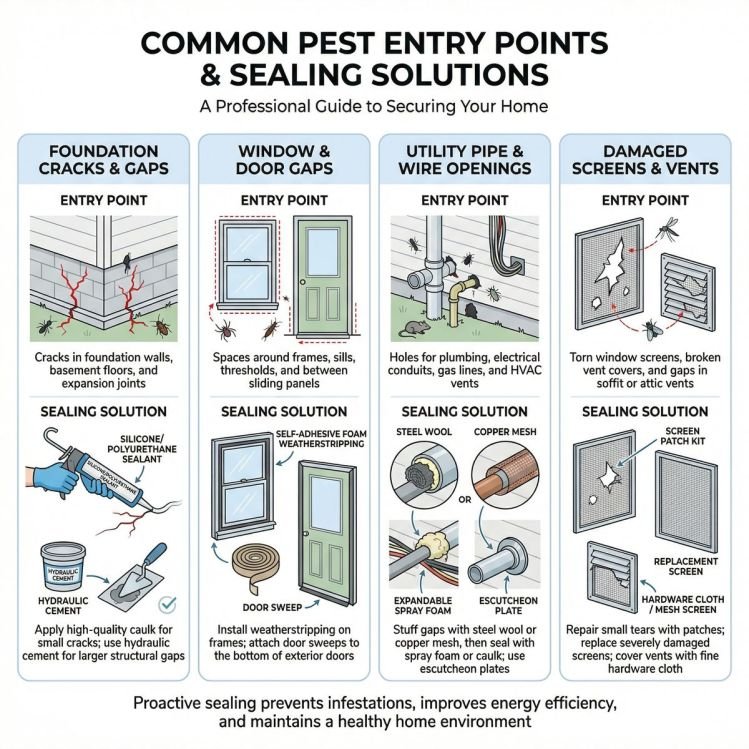
A thorough exterior inspection is your primary defense mechanism. Begin by examining the foundation for any cracks or settling. Use a high-quality silicone caulk or expanding foam to seal these vulnerabilities. Pay special attention to areas where utility pipes and wires enter the home, as these are common access points.
Windows and doors require equal scrutiny. Replace worn weatherstripping and install sturdy door sweeps to eliminate gaps at the threshold. Ensure all window screens are intact and free of tears. Additionally, inspect attic vents, crawl space openings, and chimneys, covering them with fine wire mesh to prevent entry by larger pests like rodents and birds.
Beyond the Walls: Yard Maintenance as a First Defense
Answer Capsule: Your yard serves as the first line of defense against fall pests, as cluttered or overgrown areas provide ideal harborage. Regular yard maintenance, including raking leaves, storing firewood away from the house, and trimming shrubbery, eliminates hiding spots and reduces the likelihood of pests venturing closer to your home’s foundation.
A well-maintained landscape significantly reduces the pest population near your home. Fallen leaves, dense brush, and overgrown vegetation create damp, sheltered environments that attract insects and rodents. Rake leaves regularly and dispose of yard debris promptly to eliminate these attractive habitats.
Firewood storage is another critical factor. Stack firewood at least twenty feet away from your home and elevate it off the ground. This prevents wood-boring insects and rodents from nesting near your structure. Furthermore, trim tree branches and shrubs so they do not touch your siding or roof, cutting off a direct bridge for pests to access your home.
Indoor Strategies: Cleanliness, Storage, and Vigilance
Answer Capsule: Maintaining a clean and organized indoor environment significantly reduces your home’s appeal to pests. This includes storing food in airtight containers, regularly cleaning counters and floors, and decluttering basements, attics, and garages. Vigilance for early signs of pest activity, such as droppings or gnaw marks, is also crucial for timely intervention.
Pests are constantly foraging for food and water. Denying them these resources is a highly effective deterrent. Store all pantry items, including pet food, in sturdy, airtight containers. Wipe down kitchen counters immediately after use, sweep floors regularly, and ensure garbage is disposed of in sealed receptacles.
Clutter provides excellent hiding places for pests to nest undisturbed. Organize storage areas like basements, attics, and garages, using plastic bins instead of cardboard boxes whenever possible. Address any moisture issues promptly, such as leaky pipes or damp basements, as water attracts a wide variety of insects, including cockroaches and silverfish.
Smart Home Tech for Pest Prevention: A Modern Approach
Answer Capsule: Modern smart home technology offers innovative solutions for proactive pest prevention, moving beyond traditional methods. Devices such as smart moisture sensors can detect leaks that attract pests, while connected cameras can monitor entry points. Some advanced systems even integrate with pest detection sensors, providing early warnings and data-driven insights for targeted intervention.
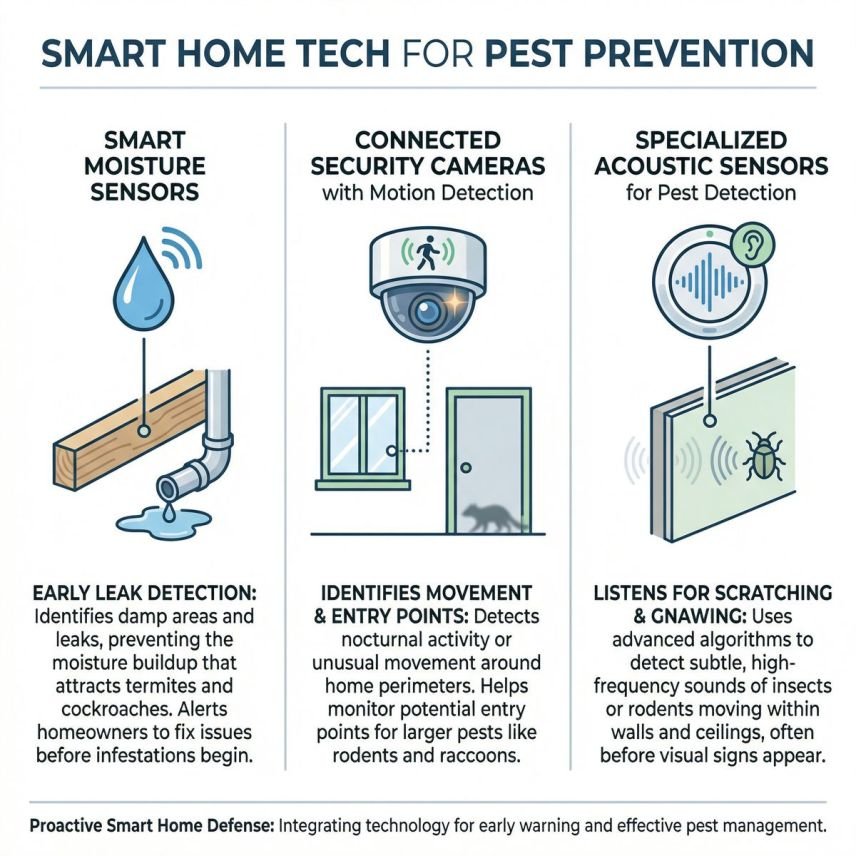
The integration of smart technology into home maintenance provides a significant advantage in pest control. Smart moisture sensors placed in basements, under sinks, or near appliances can alert you to leaks immediately. By addressing these water sources quickly, you eliminate a major attractant for pests.
Connected security cameras, particularly those with motion detection and night vision, can be positioned to monitor vulnerable exterior areas. This allows you to observe pest activity, such as rodents exploring the foundation, before they gain entry. Emerging technologies also include specialized acoustic sensors designed to detect the sounds of pests within walls, offering an unprecedented level of early warning.
Natural Deterrents and Pet-Safe Solutions: Coexisting Peacefully
Answer Capsule: For homeowners seeking eco-friendly and pet-safe pest prevention, several natural deterrents can be highly effective. Essential oils like peppermint, clove, and cedarwood can repel certain insects, while diatomaceous earth creates a physical barrier. Always verify the safety of natural remedies for pets, and consider professional eco-friendly options for comprehensive, non-toxic protection.
Natural deterrents offer a viable alternative to harsh chemical pesticides, particularly for households with children or pets. Essential oils, when diluted and sprayed around entry points, can disrupt the scent trails used by ants and repel spiders. Peppermint oil is widely recognized for its efficacy against rodents and various insects.
Diatomaceous earth, a powder made from fossilized algae, is a potent physical barrier. When sprinkled along baseboards or in crevices, it damages the exoskeletons of crawling insects, leading to dehydration. However, it is crucial to research any natural remedy to ensure it is non-toxic to your specific pets, as some essential oils can be harmful to cats and dogs.
Frequently Asked Questions
Answer Capsule: Common fall pest prevention questions cover which pests are most active in autumn (mice, stink bugs, spiders, cockroaches), the most effective entry-point sealing materials (weatherstripping, caulk, steel wool), whether natural deterrents work, and when professional pest control is warranted over DIY methods.
Why do pests come inside during the fall?
Pests enter homes in the fall primarily to seek shelter from dropping temperatures. They require warmth to survive the winter and often find residential structures provide the ideal combination of heat, protection from predators, and accessible food sources.
What are the most common fall pests?
The most frequent fall invaders include rodents like mice and rats, spiders, and overwintering insects such as stink bugs, boxelder bugs, Asian lady beetles, and cluster flies. These species are particularly driven to find indoor refuge as the weather cools.
How can I naturally prevent pests from entering my home?
Natural prevention focuses on exclusion and deterrents. Seal all cracks and gaps in your home’s exterior, maintain a clean yard, and store food securely. You can also use natural repellents like peppermint oil or diatomaceous earth around potential entry points.
When should I call a professional for pest control?
You should contact a professional if you notice signs of a significant infestation, such as widespread droppings, structural damage, or persistent pest activity despite your prevention efforts. Professionals have the expertise to identify the root cause and implement effective, long-term solutions.
What smells deter pests from entering your home?
Many pests are repelled by strong, pungent odors. Essential oils like peppermint, eucalyptus, tea tree, and cedarwood are effective deterrents. Additionally, the scent of vinegar, citrus peels, and certain herbs like lavender can help keep insects at bay.
Conclusion
Answer Capsule: Fall pest prevention is a multi-layered strategy combining exterior sealing, yard maintenance, indoor cleanliness, and targeted deterrents. Starting in late summer and completing exclusion work before the first frost gives homeowners the best chance of keeping rodents, insects, and spiders outside where they belong.
As the seasons change, so too must our approach to home protection. By understanding the motivations of fall pests and implementing a multi-faceted prevention strategy—from sealing exterior vulnerabilities to maintaining a clean indoor environment and leveraging modern solutions—homeowners can effectively safeguard their living spaces. Proactive measures not only prevent infestations but also contribute to a healthier, more peaceful home throughout the colder months. Remember, a little effort in the fall can save significant headaches in the winter.
References
Answer Capsule: The following sources from pest control professionals, entomologists, and home improvement authorities provide the scientific data and practical guidance referenced throughout this article on fall pest prevention strategies.
- PestWorld.org – Top 10 Pest-Proofing Tips For Fall
- TruGreen – 7 Pest Control Tips for Fall
- All-American Pest Control – Fall Pest Control: How to Protect Your Home from Pests
- Active Pest Control – How to Prevent Fall Insect Pests
- Metro Screenworks – How to Prepare Your Home for Fall and Winter: Keep Pests Out!
- Lawn Buddies – How to Keep Heat-Seeking Pests from Entering Your Home This Fall & Winter
- Logan Extermination – Simple Tips for Fall and Winter Indoor Insect Prevention